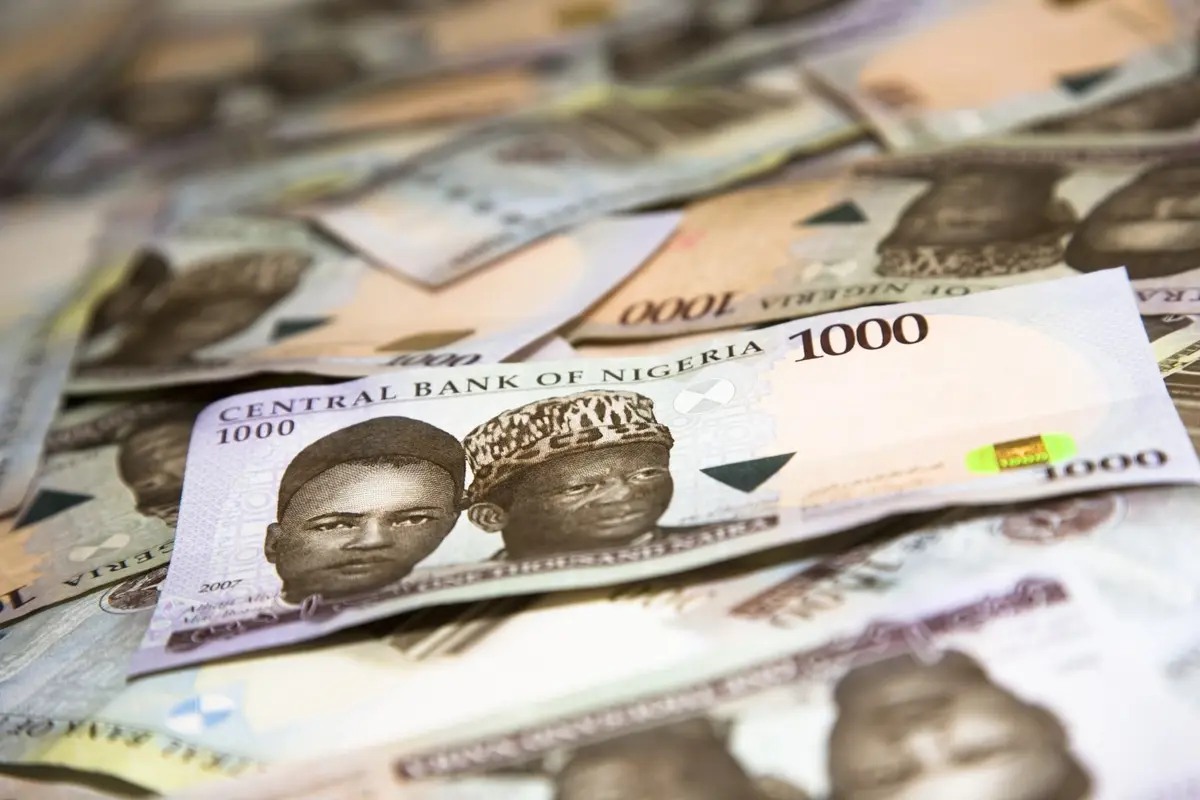
Nigeria’s broad money supply increased to ₦133.25 trillion in June 2026, reflecting continued growth in liquidity across the economy despite the Central Bank of Nigeria (CBN) maintaining a tight monetary policy aimed at controlling inflation.
The latest figures, released by the Central Bank of Nigeria, show that the country’s money supply rose from ₦129.21 trillion in May to ₦133.25 trillion in June, representing a month-on-month increase of ₦4.04 trillion. The growth comes even as the CBN kept the Monetary Policy Rate (MPR) unchanged at 26.5 percent, highlighting the ongoing challenge of balancing economic liquidity with inflation control.
Broad money supply, commonly referred to as M3, measures the total amount of money circulating within an economy. It includes cash in circulation, demand deposits, savings accounts, fixed deposits, and other highly liquid financial assets that can easily be converted into cash. An increase in broad money generally means that households and businesses have greater access to funds for spending, investment, and other economic activities.
The June data indicates that the expansion in liquidity was largely driven by a significant rise in quasi-money, which includes savings deposits and fixed-term deposits held in financial institutions. Quasi-money increased from ₦84.58 trillion in May to ₦88.54 trillion in June, reflecting stronger growth in savings and other interest-bearing deposits.
Demand deposits also recorded a modest increase, rising from ₦39.43 trillion to ₦39.78 trillion during the same period, suggesting that more funds remained readily available within the banking system for day-to-day transactions.
Meanwhile, the amount of currency held outside commercial banks declined from ₦5.19 trillion in May to ₦4.92 trillion in June. The decrease suggests that a larger share of cash remained within the formal banking system, potentially supporting greater financial intermediation and improved liquidity management.
The CBN data further revealed that net domestic assets expanded by 4.37 percent, increasing from ₦102.26 trillion in May to ₦106.73 trillion in June. However, net foreign assets recorded a slight decline of 1.56 percent, falling from ₦26.95 trillion to ₦26.53 trillion over the same period.
Overall, Nigeria’s broad money supply grew by 3.11 percent on a month-on-month basis, reinforcing the trend of increasing liquidity despite the apex bank’s restrictive monetary stance.
The latest figures come shortly after the Monetary Policy Committee (MPC) concluded its meeting and voted to retain the Monetary Policy Rate at 26.5 percent, while leaving all other key monetary policy parameters unchanged. According to the committee, maintaining a tight policy environment remains necessary to support the ongoing disinflation process, preserve macroeconomic stability, and strengthen confidence in the Nigerian economy.
However, economists note that the continued expansion of the money supply could complicate the Central Bank’s efforts to reduce inflation. Higher liquidity in the financial system often increases consumer spending and business activity, factors that can place additional upward pressure on prices if not matched by corresponding growth in the supply of goods and services.
As the CBN continues to navigate the delicate balance between stimulating economic activity and maintaining price stability, the evolution of Nigeria’s money supply will remain a key indicator for investors, policymakers, and businesses monitoring the country’s economic outlook.
Discover more from Scoop Hub
Subscribe to get the latest posts sent to your email.