The United States House of Representatives has approved an amendment that seeks to withhold 100 percent of U.S. assistance to Nigeria until the Nigerian government meets specific conditions aimed at addressing violence and ensuring greater accountability for attacks, particularly those affecting Christian communities.
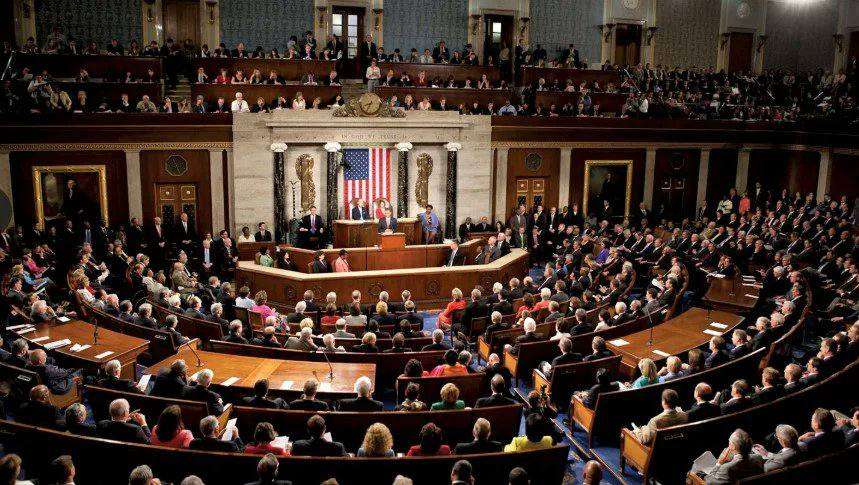
The amendment, sponsored by Congressman Gregory Steube, was adopted through a voice vote and incorporated into the Fiscal Year 2027 State Department appropriations bill, which was later passed by the House with a 217–209 vote.
Announcing the development on social media, Steube said the amendment was designed to ensure that American taxpayer funds are not provided to governments that fail to adequately respond to violence against Christian communities.
According to the lawmaker, the measure is intended to increase pressure on the Nigerian government to take stronger action against killings, kidnappings, and other forms of violence while ensuring those responsible are brought to justice.
The amendment strengthens an earlier provision contained in the appropriations bill, which proposed withholding 50 percent of U.S. funding to Nigeria until the U.S. Secretary of State certifies that the Nigerian government has taken effective steps to prevent violence and hold perpetrators accountable.
With the adoption of Steube’s proposal, the funding restriction has now been increased to 100 percent, although the certification requirements remain unchanged.
Speaking during debate on the House floor, Steube argued that Nigeria has continued to experience serious security challenges and alleged that the government has not done enough to address violence affecting Christian communities.
He maintained that the amendment does not introduce new conditions but instead strengthens the existing accountability framework contained in the legislation. According to him, foreign assistance should be tied to measurable progress in protecting vulnerable populations and improving security.
The congressman also linked the proposal to broader concerns about U.S. government spending, arguing that Washington should carefully evaluate foreign aid commitments at a time when the United States faces significant fiscal challenges. Despite its passage in the House of Representatives, the amendment has not yet become law.
For the proposal to take effect, the appropriations bill must still be approved by the U.S. Senate before being sent to the President for assent. Until those legislative steps are completed, there will be no immediate change to U.S. assistance provided to Nigeria. The House vote comes amid continued discussions in Washington over religious freedom and security conditions in Nigeria.
In 2025, the administration of President Donald Trump redesignated Nigeria as a Country of Particular Concern (CPC), citing allegations relating to religious persecution. The designation renewed international attention on security challenges affecting various communities across the country.
Relations between Nigeria and the United States have also experienced periods of tension in recent years, including diplomatic concerns following a reported U.S. missile strike on Nigerian territory during counterterrorism operations. Despite those developments, both countries have continued to cooperate on security initiatives aimed at combating terrorist groups and improving regional stability.
Nigeria has consistently maintained that it is committed to tackling insecurity through ongoing military operations, intelligence gathering, and collaboration with international partners to address terrorism, banditry, and communal violence.
As the U.S. legislative process continues, the proposed aid restriction is expected to generate further debate among policymakers in both countries regarding security cooperation, human rights, religious freedom, and the future of bilateral relations between Nigeria and the United States.
Discover more from Scoop Hub
Subscribe to get the latest posts sent to your email.