Lagos State Governor Babajide Sanwo-Olu has approved the immediate dredging and maintenance of 28 additional primary drainage channels across the state as part of efforts to address the persistent flooding that has affected several communities in recent weeks.
The announcement was made by the Commissioner for the Environment and Water Resources, Tokunbo Wahab, who said the state government is taking urgent steps to improve water discharge and strengthen flood management infrastructure following the heavy rainfall that recently overwhelmed parts of Lagos.
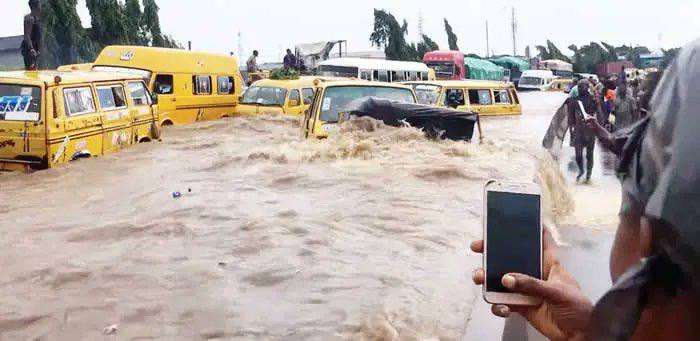
According to Wahab, the downpours recorded over the last two weeks were unusually intense and produced large volumes of water within a short period, exceeding the capacity of some drainage systems and leading to flash floods in several areas. Communities including Victoria Island, Lekki, Ikeja, Gbagada, Mushin and Mafoluku were among the locations affected by the temporary flooding.
The commissioner explained that the rainfall event was part of a broader weather pattern that also impacted several countries across Africa and parts of North America. However, he noted that Lagos faces unique environmental challenges due to its geographical location and extensive network of lagoons, rivers, creeks and other tidal water bodies.
Wahab said the interaction between the Atlantic Ocean, the Lagos Lagoon and surrounding waterways often slows the discharge of stormwater, particularly during periods of high tide. As a result, low-lying communities are more vulnerable to temporary flooding whenever exceptionally heavy rainfall occurs.
Despite the challenges, the commissioner assured residents that the state government remains fully engaged in monitoring flood-prone areas, drainage infrastructure and major water channels across Lagos. He added that emergency response teams have continued to provide support to affected communities while efforts to improve drainage systems are being intensified.
The government also renewed its appeal to residents to support flood control measures by avoiding activities that obstruct waterways. Wahab stressed that indiscriminate disposal of waste into drainage channels, illegal reclamation of wetlands and construction on drainage alignments contribute significantly to flooding by preventing the free flow of stormwater.
He further highlighted the growing impact of climate change on coastal cities around the world, noting that extreme weather events and intense rainfall have become more frequent in recent years. According to him, Lagos is experiencing the same realities and must continue investing in infrastructure and environmental management to build long-term resilience against flooding.
The commissioner reaffirmed the state’s commitment to creating a safer and more flood-resilient city through sustained drainage projects, environmental enforcement and collaboration with residents. He emphasized that protecting Lagos from flooding requires collective responsibility and urged residents to keep drainage channels clear while reporting activities that may hinder water flow.
Motorists were also advised to avoid driving through flooded roads during periods of heavy rainfall, while residents living in vulnerable communities were encouraged to pay close attention to weather advisories and safety instructions issued by government agencies.
The latest flooding incidents sparked widespread reactions from residents across Lagos, many of whom expressed frustration over recurring floods that continue to disrupt daily life. The prolonged rainfall submerged major roads, stranded commuters, damaged vehicles and affected businesses in several parts of the state.
Areas such as Gbagada, Iyana Ipaja, Ikeja, Maryland, Mushin, Ogudu, Lekki, Oshodi, Agege, Alimosho and Obalende experienced severe flooding, forcing many commuters to abandon public transportation and walk long distances after commercial vehicles suspended operations due to rising water levels.
Major highways, including sections of the Lagos-Ibadan Expressway, Lagos-Abeokuta Expressway, Apapa-Oshodi Expressway and Lekki-Epe Expressway, were also impacted, resulting in heavy traffic congestion and significant delays for road users.
With the approval of additional drainage channel dredging, the Lagos State Government hopes to improve water flow across critical areas and reduce the impact of future flooding as the rainy season continues.
Discover more from Scoop Hub
Subscribe to get the latest posts sent to your email.