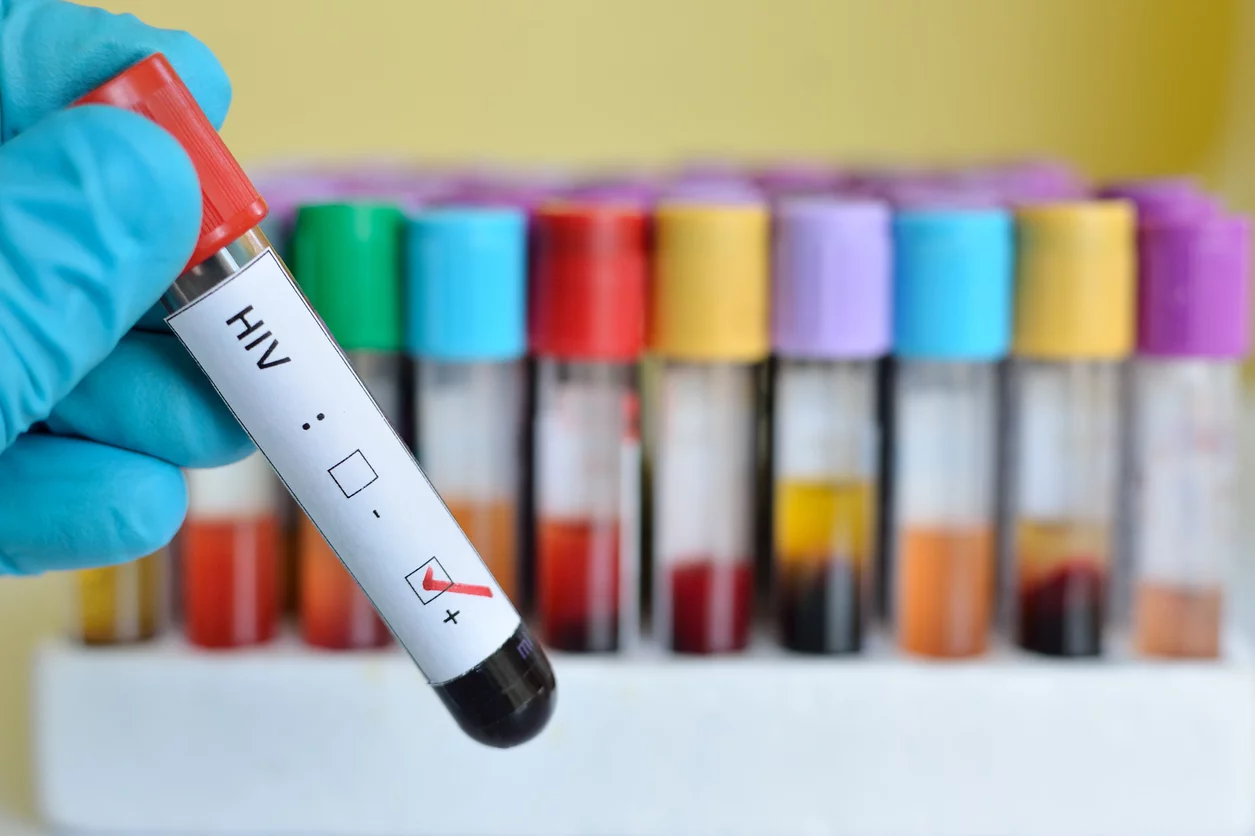
Lagos State has recorded the highest number of new HIV infections in Nigeria in 2025, according to the Federal Ministry of Health and Social Welfare’s State of the Health of the Nation Report 2025. The report reveals that 102,025 new HIV infections were documented across the country’s 36 states and the Federal Capital Territory during the year, highlighting that the virus remains a major public health challenge despite ongoing prevention and treatment efforts.
The data shows that Lagos accounted for 10,430 newly reported HIV infections, the highest figure recorded by any state in Nigeria. Rivers State ranked second with 6,287 new cases, closely followed by Kano with 6,106 infections. Other states with high numbers of new infections included Akwa Ibom, Taraba, Benue, Anambra and Kaduna, while Adamawa and the Federal Capital Territory also featured among the areas with the highest reported cases.
The report further indicates that several other states recorded more than 2,000 new HIV infections during the year, reflecting the continued spread of the virus across different regions of the country. While some states reported significantly lower numbers, the nationwide figures demonstrate that HIV remains a widespread health concern requiring sustained attention from both government and healthcare stakeholders.
Among the states with the lowest number of newly recorded infections were Ekiti, Bayelsa, Gombe, Osun, Kwara, Enugu, Yobe, Katsina and Kebbi. Although these states reported comparatively fewer cases, health experts have consistently emphasized that lower figures do not eliminate the need for continuous public awareness, regular testing and access to treatment services.
The findings come despite years of intensified efforts by the Federal Government and its development partners to reduce new HIV infections through education campaigns, expanded testing programmes and improved access to antiretroviral therapy. Nigeria continues to operate one of the world’s largest HIV treatment programmes, providing millions of people living with the virus access to life-saving medication through government-owned health facilities and donor-supported initiatives.
The latest statistics underscore the importance of strengthening HIV prevention strategies, increasing public awareness and encouraging early testing, particularly among populations considered to be at higher risk. Public health experts have repeatedly stressed that early diagnosis and consistent treatment not only improve the quality of life for people living with HIV but also significantly reduce the risk of transmission.
As Nigeria continues its fight against HIV/AIDS, the 2025 report serves as a reminder that while considerable progress has been made in expanding treatment and reducing AIDS-related deaths, preventing new infections remains a critical priority. Health authorities are expected to continue scaling up interventions aimed at reducing the burden of the disease and moving the country closer to achieving its long-term HIV control targets.
Discover more from Scoop Hub
Subscribe to get the latest posts sent to your email.