Tensions between the United States and Iran have escalated once again after both countries accused each other of violating a ceasefire agreement reached last week, triggering a fresh round of military action and raising concerns over stability in the strategically important Strait of Hormuz.
The United States launched military strikes against targets in Iran on Friday, saying the operation was a direct response to what Washington described as an Iranian drone attack on a commercial cargo vessel transiting the Strait of Hormuz. According to the U.S. Central Command (CENTCOM), American forces targeted missile and drone storage facilities as well as coastal radar installations used by Iranian forces.
CENTCOM stated that the strikes were carried out to respond to what it called an “unwarranted aggression” against commercial shipping, arguing that the reported attack on the cargo vessel violated the terms of the ceasefire. The military also released footage showing an explosion at one of the targeted locations and confirmed that the operation had concluded.
Iran acknowledged that a projectile landed near a pier in Sirik, located in Hormozgan Province, but insisted that the port itself remained undamaged and fully operational. Iranian authorities rejected the U.S. narrative and said their naval forces had responded by targeting American military positions in the region, although no specific locations or details of the reported damage were disclosed.
Iran’s Revolutionary Guards later confirmed that their naval forces had struck locations hosting U.S. troops and warned that any further American military action would provoke a broader response. In a statement carried by state media, the Guards said Iran would expand its retaliation if additional attacks were launched.
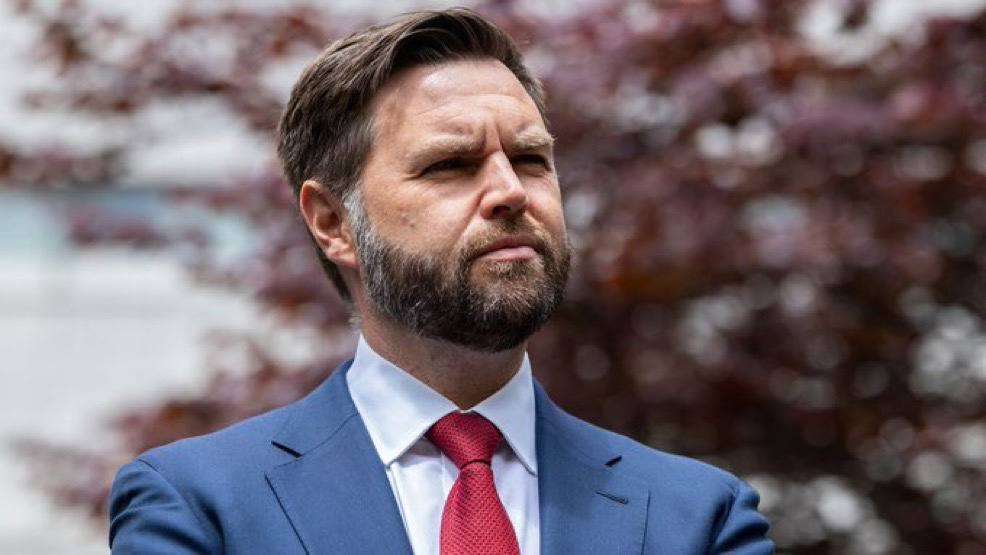
U.S. Vice President JD Vance defended Washington’s actions, insisting that the United States had complied with the ceasefire agreement, which he described as a memorandum of understanding. In a statement posted on X, Vance accused Iran of violating the agreement and warned that the U.S. would respond forcefully to any further aggression.
“Iran signed a ceasefire agreement. We have honored it. If they have disagreements about how the MOU is being applied, they can pick up the phone. But violence will be met with violence,” Vance wrote.
Iranian state media, citing an unnamed military source, reported that warning shots had earlier been fired from Sirik toward vessels allegedly violating navigation regulations in the Strait of Hormuz. The report also claimed that two warning missiles were launched from the nearby Karpan area before the latest escalation.
The renewed confrontation has intensified concerns over security in the Strait of Hormuz, one of the world’s most critical maritime trade routes through which nearly one-fifth of global oil and liquefied natural gas shipments pass. U.S. President Donald Trump blamed Iran for Thursday’s reported attack on the commercial vessel near the coast of Oman, accusing Tehran of breaching the ceasefire reached only days earlier.
Despite the military escalation, the U.S. military said it would continue coordinating safe passage for commercial vessels navigating the strategic waterway.
Elsewhere in the region, diplomatic efforts showed signs of progress. Israel and Lebanon reached an agreement aimed at ending hostilities between Israel and the Iran-backed Hezbollah movement. The proposed arrangement includes provisions for Hezbollah to disarm and for Israeli forces to withdraw from Lebanese territory. However, Hezbollah has already indicated that it will not support the agreement.
The renewed tensions initially unsettled global energy markets, but oil prices later declined by roughly three percent as commercial shipping resumed through the Strait of Hormuz. Shipping data also showed that Saudi Aramco restarted crude oil loadings at its Ras Tanura export terminal after a suspension of nearly four months, while fertilizer shipments through the waterway also increased, helping ease concerns over potential disruptions to global food supplies.
Meanwhile, U.S. Secretary of State Marco Rubio concluded a diplomatic tour of Gulf nations by issuing a joint statement with the Gulf Cooperation Council calling for free, unconditional, and unrestricted navigation through the Strait of Hormuz. Iran, however, maintained that the strategic waterway should be jointly administered by Tehran and Muscat. Senior adviser to Iran’s Supreme Leader, Ali Akbar Velayati, also cautioned Gulf nations against aligning too closely with Washington.
With both Washington and Tehran maintaining sharply opposing accounts of recent events, concerns continue to grow that the fragile ceasefire could unravel completely, further increasing geopolitical risks across the Middle East and threatening stability in one of the world’s most important energy corridors.
Discover more from Scoop Hub
Subscribe to get the latest posts sent to your email.