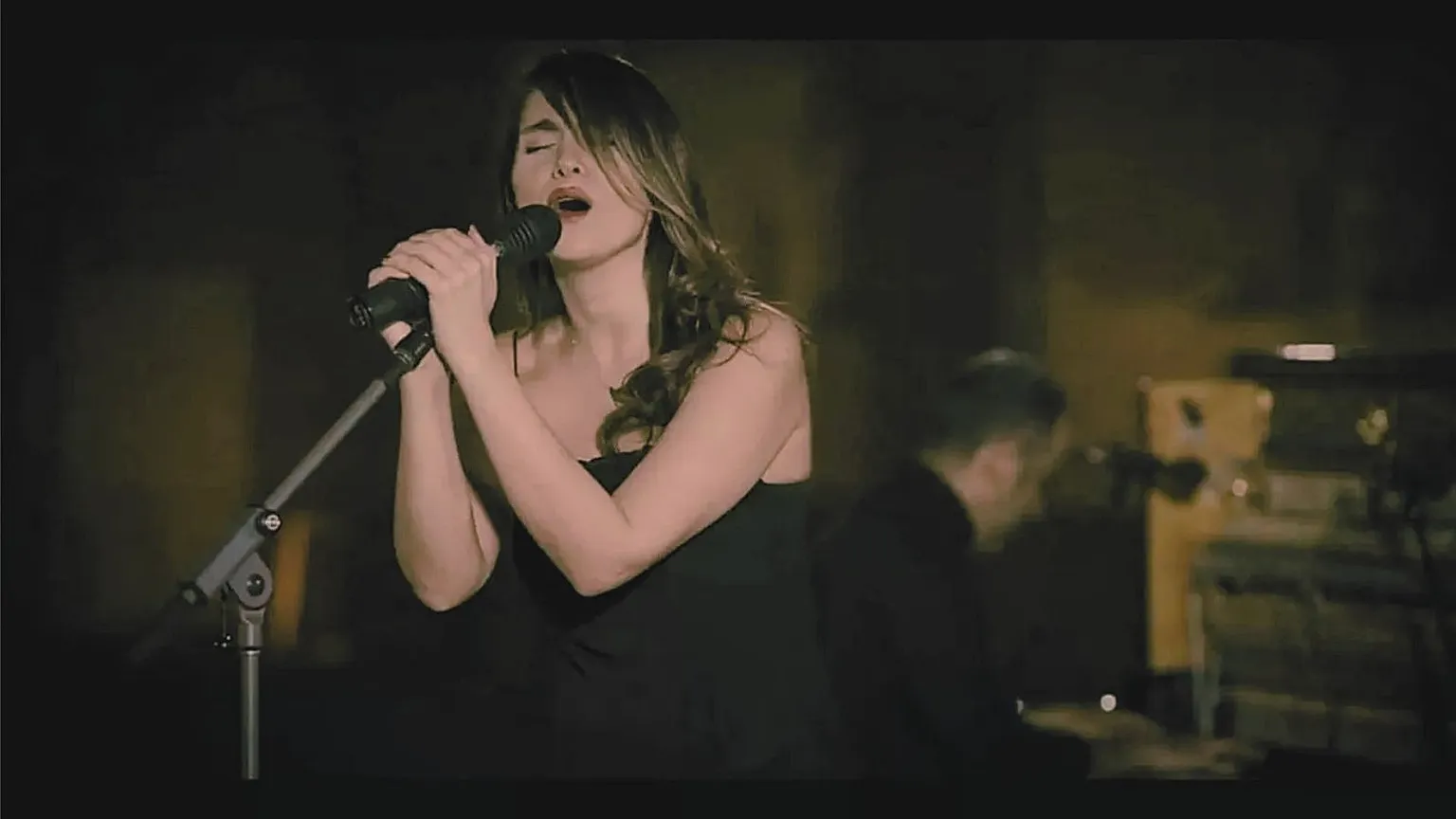
Iranian singer Parastoo Ahmadi has reportedly been sentenced to 74 lashes and handed a two-year ban on both international travel and artistic activities after performing in an online concert without wearing a hijab.
The ruling, which has sparked widespread criticism from human rights advocates and legal experts, stems from a concert that was livestreamed on Ahmadi’s YouTube channel in 2024. The performance, which featured several musicians and production staff, quickly attracted attention both inside and outside Iran due to the singer’s decision to appear without the mandatory head covering required under the country’s laws.
According to reports, a criminal court in Iran’s Qom province issued the sentence against Ahmadi and members of her production team, accusing them of producing and distributing content deemed offensive to public morality. In addition to the corporal punishment, the court reportedly imposed a two-year restriction preventing those involved from leaving the country and participating in artistic activities.
While the ruling has not yet been officially published by Iran’s judiciary news agency, copies of the court documents have reportedly been reviewed by lawyers and human rights organizations monitoring the case.
The sentence has reignited debate over freedom of expression, women’s rights, and artistic freedom in Iran. Rights groups argue that the case reflects a broader pattern of pressure on artists, musicians, and public figures who challenge or publicly defy cultural and social restrictions imposed by authorities.
Human rights advocates have strongly condemned the reported punishment. Bahar Ghandehari of the Center for Human Rights in Iran described the sentence as a reminder that concerns surrounding civil liberties and human rights remain significant despite efforts by Iranian authorities to project a more positive international image.
The case has also drawn reactions from prominent activists and journalists. Iranian-American journalist and women’s rights campaigner Masih Alinejad criticized the reported ruling, arguing that it demonstrates how women’s voices and artistic expression continue to face severe restrictions.
Legal experts have also questioned the basis of the punishment. Human rights lawyer Moein Khazaeli reportedly noted that Iranian law does not explicitly criminalize women singing or producing music, raising concerns about the legal interpretation used in the case.
Beyond domestic legal questions, international rights advocates argue that corporal punishment raises broader concerns regarding human dignity and compliance with international human rights standards. Several organizations have emphasized that penalties involving flogging have long been criticized by global rights bodies and legal observers.
Parastoo Ahmadi’s case has become one of the most high-profile examples of the ongoing tensions between artistic expression and cultural regulations in Iran. As news of the sentence continues to circulate internationally, it is likely to fuel renewed discussions about freedom of speech, gender rights, and the role of artists in challenging social restrictions.
The controversy also highlights the growing influence of digital platforms such as YouTube, which have enabled artists to reach global audiences even when facing limitations within their home countries. For many observers, the case serves as another chapter in the broader debate over the boundaries of artistic freedom and personal expression in modern Iran.
Discover more from Scoop Hub
Subscribe to get the latest posts sent to your email.