The United States is preparing to significantly scale back the military assets it contributes to NATO operations in Europe, a move that could reshape the alliance’s defense capabilities and place greater responsibility on European member states.
According to reports citing senior European officials, Washington intends to reduce the number of aircraft and naval resources available for NATO missions across the continent. The planned changes are expected to affect key capabilities, including long-range strike operations, aerial surveillance, and logistical support.
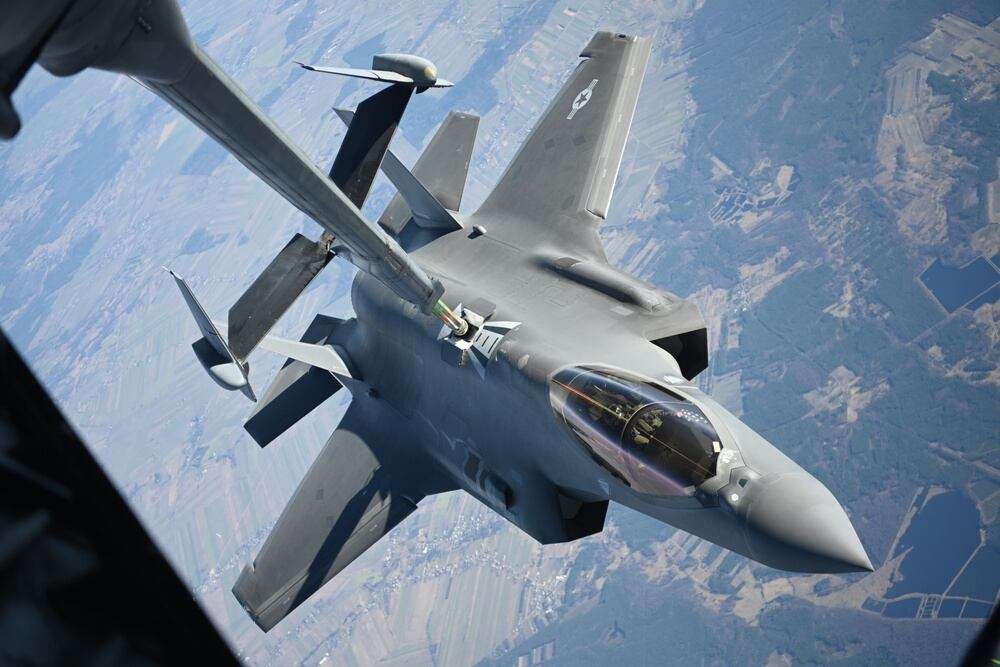
Among the most notable adjustments is the proposed reduction in fighter aircraft assigned to NATO missions. The United States is expected to decrease the number of F-16 and F-15E fighter jets available for European operations, while also cutting maritime reconnaissance aircraft and removing aerial refueling tanker jets that play a critical role in extending the range and endurance of military aircraft during operations.
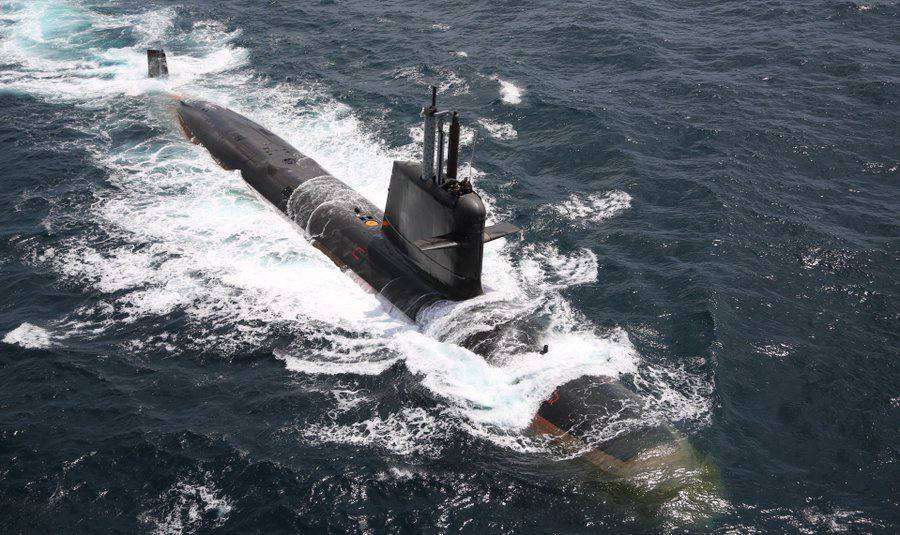
The reported plans also include the redeployment of strategic naval assets, including a missile-launching submarine, an aircraft carrier, and several accompanying warships and aircraft typically assigned to carrier strike group missions. In addition, one of the bomber groups previously allocated to support Europe’s defense posture could be reassigned elsewhere.
While details of the changes have not been officially disclosed, the US Eastern Command recently stated that it would “rightsize” its contributions to the NATO Force Model, signaling a broader effort to adjust America’s military commitments within the alliance.
The development comes amid ongoing calls from the administration of US President Donald Trump for NATO allies to increase their defense spending and take a larger role in their own security. Washington has repeatedly argued that many European nations have relied too heavily on American military support for decades while failing to invest sufficiently in their own armed forces.
The Trump administration has also encouraged both European and Asian allies to raise defense spending to 3.5 percent of their gross domestic product, significantly above NATO’s longstanding spending targets. US officials have maintained that a more balanced distribution of defense responsibilities is necessary to address evolving global security challenges.
Military analysts suggest that the planned reductions could have important implications for NATO’s operational flexibility. Aerial refueling aircraft, surveillance platforms, fighter jets, and naval strike groups are among the alliance’s most valuable assets for rapid response and sustained military operations. Any reduction in these capabilities may require European nations to fill the gap through increased defense investments and greater military readiness.
Despite the proposed cuts, the United States is expected to remain NATO’s largest military contributor. However, the move reflects a continuing shift in Washington’s strategic priorities and its push for allies to assume a larger share of the burden in maintaining collective security.
As geopolitical tensions continue to evolve across Europe and beyond, the planned restructuring of US military contributions is likely to spark renewed debate about the future of NATO, burden-sharing among allies, and the alliance’s ability to respond to emerging threats in an increasingly complex global security environment.
Discover more from Scoop Hub
Subscribe to get the latest posts sent to your email.