The Federal High Court in Lagos has ruled that the National Assembly’s controversial N110 billion vehicle procurement and allowance scheme was unlawful, describing the expenditure as a violation of procurement regulations, constitutional principles, and public trust.
In a landmark judgment, Justice Yellim Bogoro held that the spending of N40 billion on 465 vehicles for federal lawmakers, alongside N70 billion in support allowances for newly elected legislators, failed to comply with established standards of transparency, accountability, due process, and value for money in the management of public resources.
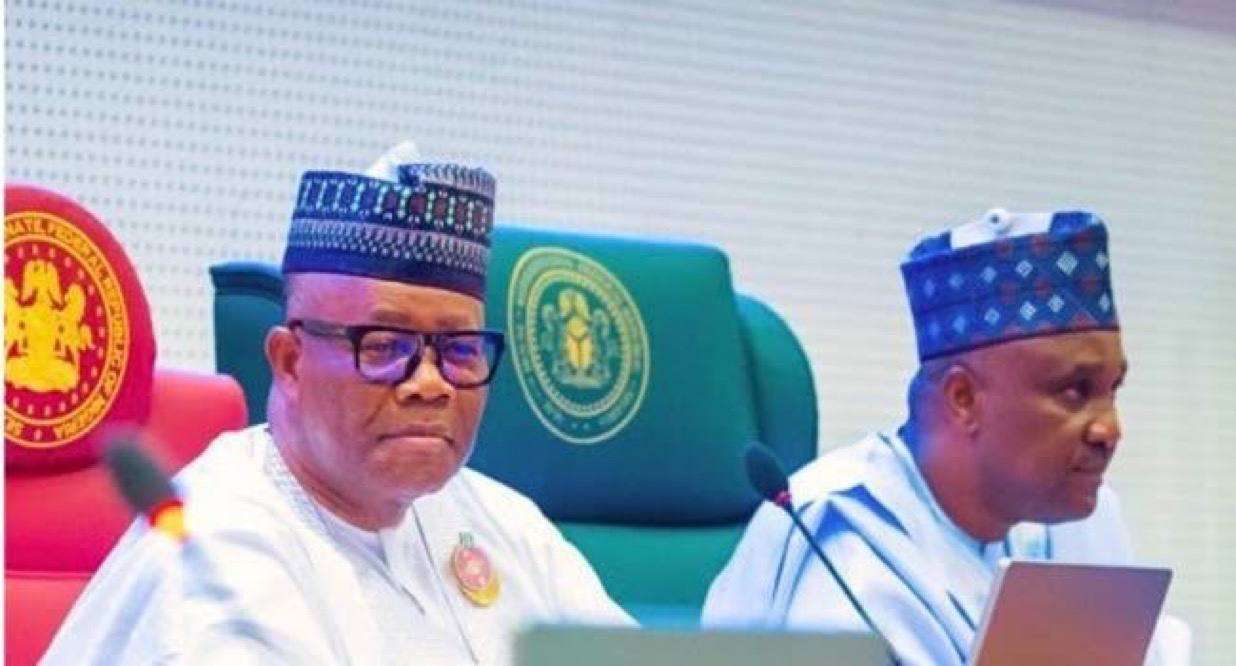
The court also directed Senate President Godswill Akpabio and Speaker of the House of Representatives Tajudeen Abbas to ensure that all future procurement processes and public expenditures undertaken by the National Assembly strictly adhere to legal requirements and principles of accountability.
The judgment was delivered in a suit filed by the Socio-Economic Rights and Accountability Project (SERAP), which challenged the planned expenditure following its approval in 2023 amid widespread economic hardship across the country.
Justice Bogoro ruled that the scale of the expenditure, combined with the absence of clear evidence of due process, rendered the procurement exercise arbitrary and inconsistent with statutory procurement standards.
According to the court, the fact that lawmakers were both the beneficiaries and approvers of the expenditure raised concerns about self-interest and conflicts of interest. The judge noted that the spending provided direct financial and material benefits to those responsible for authorizing it, creating what she described as a case of self-dealing.
The court further took judicial notice of Nigeria’s prevailing economic challenges, observing that the allocation of N110 billion for lawmakers’ benefits reflected a failure to prioritize the broader interests of citizens facing financial difficulties.
Justice Bogoro emphasized that public officials have a fiduciary responsibility to act in the public interest and manage government resources responsibly. She stressed that public office should never be used as a platform for personal gain and that public servants must operate within constitutional limits and in good faith.
Addressing arguments raised by the defendants regarding legislative autonomy, the judge rejected claims that the court lacked jurisdiction to review the expenditure. She maintained that the principle of separation of powers does not protect unlawful conduct from judicial scrutiny, particularly where questions of legality and constitutionality are involved.
The court held that oversight of public spending remains an essential aspect of ensuring accountability in democratic governance.
SERAP had argued that the expenditure violated provisions of the Public Procurement Act 2007, the Code of Conduct for Public Officers, and the Oath of Office contained in the Nigerian Constitution.
According to the organization, lawmakers approved the purchase of 465 vehicles, including bulletproof models, at an estimated cost of approximately N305 million per vehicle, contributing significantly to the overall N110 billion expenditure.
The group also stated that it had previously written to the leadership of the National Assembly urging a reversal of the decision but received no response before initiating legal action.
While the defendants argued that the funds had already been appropriated and spent, making the matter academic, the court disagreed and proceeded to determine the legality of the expenditure.
Justice Bogoro also affirmed SERAP’s legal standing to institute the case, ruling that public interest organizations have a legitimate role in promoting transparency, accountability, and good governance.
The judgment has been widely viewed as a significant victory for advocates of public accountability and fiscal responsibility, reinforcing the principle that government spending must comply with legal standards and serve the interests of the Nigerian people.
The ruling is expected to influence future discussions on public expenditure, legislative accountability, and procurement practices within government institutions across Nigeria.
Discover more from Scoop Hub
Subscribe to get the latest posts sent to your email.