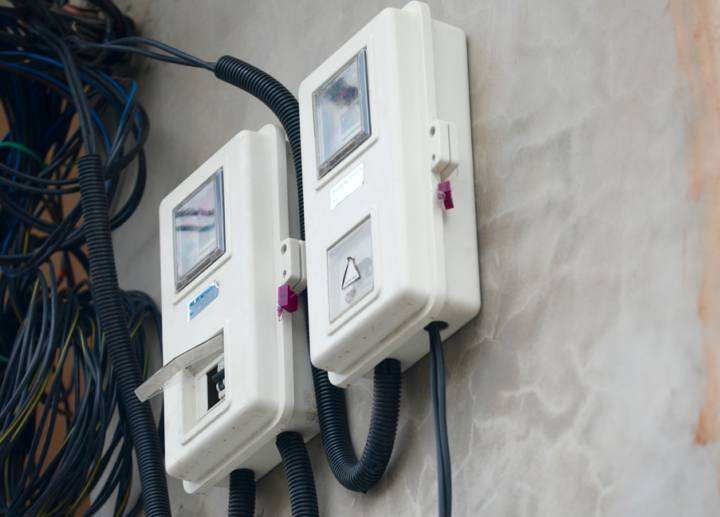
The Nigerian Electricity Regulatory Commission (NERC) has revealed that more than 41 percent of electricity consumers in Nigeria are still without prepaid meters, leaving millions of households and businesses dependent on estimated billing.
According to the Commission’s January and February 2026 metering factsheet, approximately 5.1 million out of Nigeria’s 12.31 million active electricity customers remain unmetered as of February 2026.
The report showed that only 7.21 million customers had functioning prepaid meters during the period under review, highlighting the continued challenges facing Nigeria’s power sector despite ongoing metering efforts.
NERC explained that an “active customer” refers to any electricity user who either purchased electricity units or received a bill at least once within a 12-month period.
Although the overall metering rate improved slightly from 57.93 percent in January to 58.57 percent in February, the progress remains relatively slow compared to the growing demand for accurate electricity billing across the country.
The improvement came after electricity distribution companies installed 121,798 new meters in February alone.
Among Nigeria’s electricity distribution companies, Abuja Electricity Distribution Company recorded one of the strongest performances, achieving a metering rate of 79.37 percent.
Eko Electricity Distribution Company and Ikeja Electric also posted high metering rates of 87.62 percent and 87.16 percent respectively, making them some of the best-performing distribution companies in the country.
Meanwhile, Port Harcourt Electricity Distribution Company recorded a metering rate of 66.36 percent, while Benin, Ibadan, and Enugu distribution companies posted moderate performances ranging between 51 and 57 percent.
However, several northern electricity distribution companies continue to struggle significantly with meter deployment.
The report identified Yola Electricity Distribution Company as the least-metered distribution company in Nigeria, with a metering rate of just 31.86 percent.
Jos, Kano, and Kaduna distribution companies also recorded low figures, each remaining below 36 percent.
Data from the report further revealed that Abuja DisCo added 18,352 new meters during February, while Benin and Ibadan distribution companies installed 25,658 and 16,445 meters respectively.
The persistent shortage of prepaid meters remains one of the most controversial issues in Nigeria’s electricity sector, as millions of consumers continue to complain about estimated billing practices, inconsistent charges, and lack of transparency in electricity consumption calculations.
For many Nigerians, prepaid meters are seen as a critical solution for ensuring fair billing and improving accountability between consumers and electricity distribution companies.
Despite repeated government initiatives aimed at bridging the metering gap, progress has remained slower than expected due to funding challenges, infrastructure limitations, and growing demand from consumers nationwide.
The latest figures from NERC highlight the scale of the challenge still facing Nigeria’s power sector as authorities continue efforts to improve electricity distribution, customer confidence, and billing transparency across the country.
Discover more from Scoop Hub
Subscribe to get the latest posts sent to your email.