United States Secretary of State Marco Rubio has described China as America’s most significant geopolitical challenge, while also calling it the most important relationship Washington must carefully manage in the current global climate.
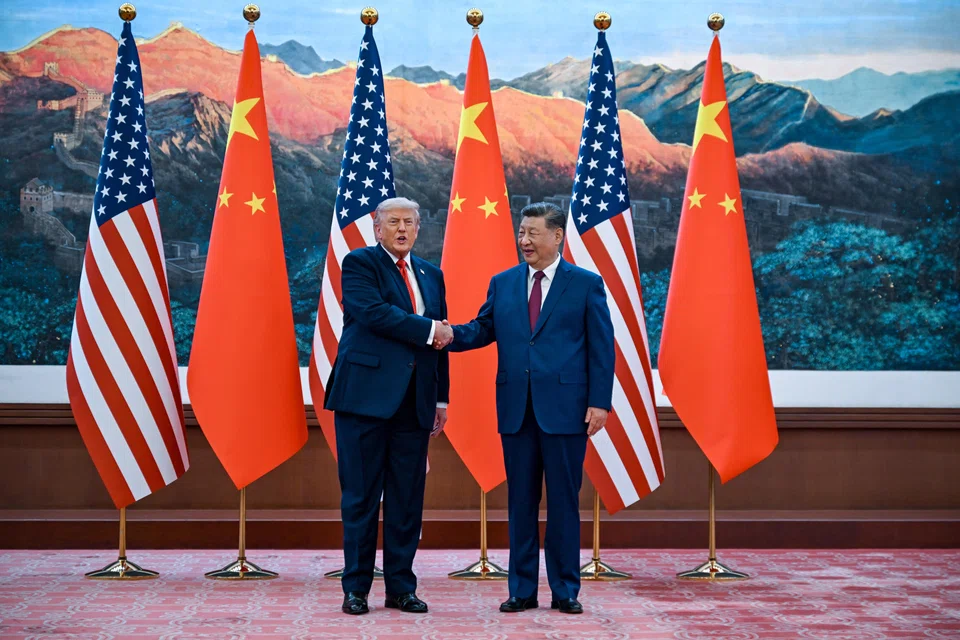
Rubio made the remarks ahead of a highly anticipated meeting between President Donald Trump and Chinese President Xi Jinping during Trump’s ongoing two-day state visit to China.
Speaking in an interview with Fox News, Rubio emphasized the strategic importance of the U.S.-China relationship, noting that while both nations have competing interests, maintaining stability between the world’s two largest economies remains critical to global peace.
According to Rubio, China represents both Washington’s biggest political and geopolitical challenge due to its expanding global influence, economic strength, and growing strategic ambitions. He acknowledged that China is a powerful nation that will continue to grow, but stressed that the United States and China will inevitably have areas where their national interests conflict.
At the same time, Rubio noted that cooperation remains possible in select areas, adding that the U.S. does not want to completely abandon opportunities for collaboration where interests align. He argued that effective management of tensions between Washington and Beijing is essential to preventing major international conflicts and preserving broader global stability.
Beyond bilateral relations, Rubio also urged China to take a more active role in de-escalating tensions involving Iran. Before departing Washington, the U.S. Secretary of State called on Beijing to pressure Iranian Foreign Minister Abbas Araghchi, who was reportedly traveling to China for diplomatic engagements.
Rubio specifically criticized Iran’s recent actions in the Strait of Hormuz, accusing Tehran of contributing to instability in one of the world’s most critical energy corridors. Iran has tightened control over the strategic waterway following military tensions involving the United States and Israel, creating fears of disruption to global oil shipments.
The Strait of Hormuz remains one of the most vital maritime routes in the global energy market, historically facilitating the movement of roughly one-fifth of the world’s oil supply. Rubio argued that the ongoing crisis is also directly against China’s own economic interests.
As the largest buyer of Iranian oil, China has maintained strong energy ties with Tehran despite U.S. sanctions imposed during Trump’s first administration.
According to Rubio, continued instability in the Persian Gulf could hurt China significantly, particularly given Asia’s dependence on energy shipments passing through the Strait of Hormuz. He also warned that China’s export-driven economy could suffer if prolonged geopolitical tensions weaken global markets and reduce international demand for Chinese goods.
Rubio expressed hope that Beijing would use its influence to encourage Iran to step back from actions escalating tensions in the region.
The comments come at a time of heightened global uncertainty, with U.S.-China relations, Middle East security, and international energy markets increasingly interconnected.
As Trump and Xi prepare for talks, analysts are closely watching whether the meeting will ease tensions, strengthen diplomatic channels, or reshape cooperation between two of the world’s most powerful nations.
Discover more from Scoop Hub
Subscribe to get the latest posts sent to your email.