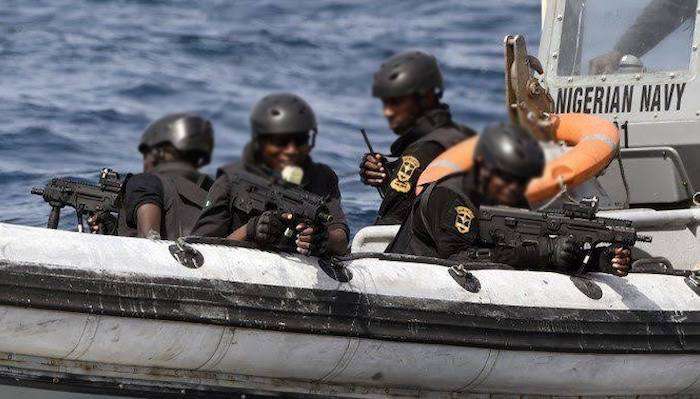
The Nigerian Navy has introduced a 13-hour movement restriction along the busy Calabar–Oron water channel as part of a renewed crackdown on piracy, kidnapping, smuggling, and other criminal activities threatening maritime security in the region.
According to the Navy, the restriction is designed to strengthen surveillance and improve operational control across the waterway, which has recently witnessed a rise in criminal attacks targeting riverine communities and waterway users.
Under the new directive, vessel movement along the Calabar–Oron route will now be restricted daily from 5:00 p.m. to 6:00 a.m., creating a tighter security window for military monitoring and rapid intervention.
In a statement released on Sunday, Nigerian Navy Director of Naval Information, Captain Abiodun Folorunsho, said the move is part of broader operational efforts to consolidate recent gains against criminal networks operating within the maritime corridor.
He explained that before the latest military intervention, armed groups and militant elements had operated with relative freedom along the route, carrying out kidnappings, extortion, and attacks on local communities.
However, he noted that sustained naval operations have significantly weakened these groups by disrupting their logistics, reducing their operational capabilities, and forcing many of them deeper into surrounding creek areas.
As part of the intensified offensive, personnel from Nigerian Navy Ship Victory and Forward Operating Base Ibaka recently launched clearance operations around Dayspring Island following an increase in kidnapping incidents and related crimes.
The operation included the establishment of a forward security outpost at Idung 1, also known as Peacock Crossing, which now serves as a strategic base for maintaining security presence across adjoining waterways and creek routes.
According to the Navy, the aggressive military advance forced suspected militants to abandon their positions and flee as naval troops moved into the area.
Working alongside troops from the Nigerian Army 13 Brigade, naval forces reportedly secured major waterways and limited the movement of criminal elements within the region.
During the operation, security personnel discovered and destroyed a militant hideout allegedly linked to a notorious suspect identified as “Juju” in the Idung area.
Although the suspect reportedly escaped during the raid, troops recovered and seized two boats equipped with outboard engines that were abandoned at the scene.
The Navy said the hideout was demolished immediately to prevent its future use as a base for criminal activities.
Security forces also arrested one suspected informant believed to have been supporting the militant network with intelligence and logistics.
The suspect is currently in custody and undergoing interrogation before being transferred to the appropriate authorities for prosecution.
The Nigerian Navy reaffirmed its commitment to sustaining pressure on criminal groups operating within the maritime environment, emphasizing that the latest restriction is necessary to ensure safer waterways for legitimate commercial and local activities.
The Calabar–Oron channel remains a vital transport route connecting communities and supporting economic activities in Cross River and Akwa Ibom states.
Authorities say while the temporary restriction may affect some waterway users, the long-term goal is to restore confidence, improve safety, and eliminate the growing security threats that have disrupted activities along the route.
With criminal networks increasingly targeting Nigeria’s coastal and inland waterways, the latest move signals a tougher security posture by the Navy as it seeks to secure one of the country’s important maritime corridors.
Discover more from Scoop Hub
Subscribe to get the latest posts sent to your email.