Tensions in the Middle East escalated sharply after Iran launched cruise missiles, drones, and deployed armed small boats targeting U.S.-flagged vessels and military assets in the strategically important Strait of Hormuz.
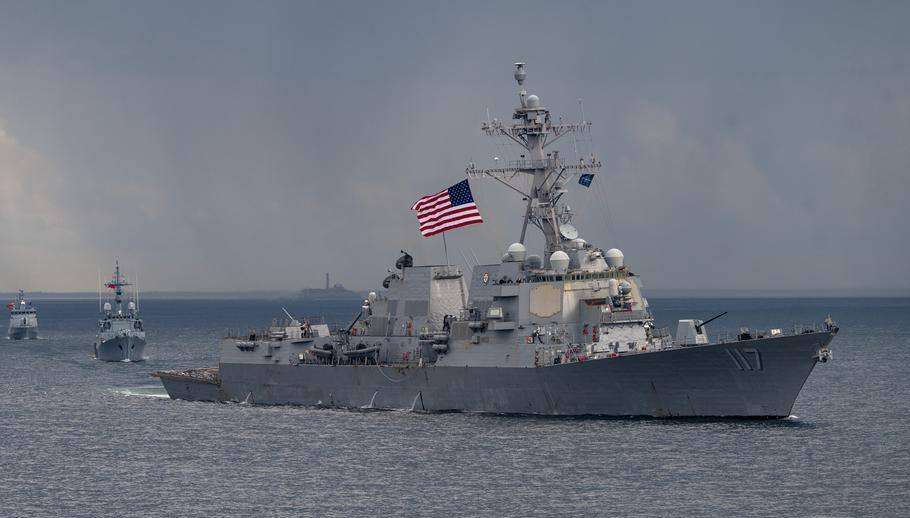
According to the commander of U.S. Central Command, Brad Cooper, the attacks occurred after U.S. naval forces began escorting American commercial ships through the critical waterway under a newly announced security mission ordered by U.S. President Donald Trump.
Despite the scale of the assault, no ships were struck, and no casualties or injuries were reported.
U.S. military officials said American naval forces successfully intercepted incoming drones while also responding to threats from Iranian small attack boats operating in the area.
Cooper disclosed that U.S. attack helicopters were deployed to neutralize the approaching boats, destroying multiple vessels before they could reach their targets.
The confrontation comes as the United States ramps up efforts to secure commercial shipping routes in the Strait of Hormuz, one of the world’s most strategically vital waterways.
The Strait of Hormuz serves as a key passage for global oil shipments, with a significant percentage of the world’s crude oil exports passing through the narrow channel each day.
Recent instability in the region had reportedly left several commercial vessels stranded or hesitant to transit the route due to security concerns.
In response, the Trump administration launched a new naval protection mission aimed at guiding U.S.-linked commercial ships safely through the strait.
The latest incident highlights the growing military tensions between Washington and Tehran, as both sides continue to test each other’s resolve in one of the world’s most volatile geopolitical hotspots.
Iran has repeatedly warned against increased U.S. military activity near its waters, particularly around the Persian Gulf and Hormuz corridor, which Tehran views as central to its national security interests.
Although the latest exchange did not result in direct damage or casualties, analysts warn that continued military encounters in the region raise the risk of miscalculation and broader conflict.
With global markets closely watching developments in the Gulf, any prolonged instability in the Strait of Hormuz could have significant consequences for international energy prices, shipping security, and regional diplomacy.
For now, U.S. officials say naval escorts for commercial vessels will continue, signaling Washington’s intention to maintain a visible military presence in the region despite Iran’s aggressive response.
Discover more from Scoop Hub
Subscribe to get the latest posts sent to your email.