New York authorities have officially returned more than $14 million worth of stolen antiquities to India, marking one of the largest recent repatriations of cultural artifacts linked to international smuggling networks.
The announcement was made by Manhattan District Attorney Alvin Bragg Jr., who confirmed that a total of 657 artifacts recovered through multiple investigations have now been handed back to India.
The returned collection includes hundreds of culturally significant pieces believed to have been looted from India and trafficked into the United States over several decades. Many of the recovered items have been linked to alleged art smuggler Subhash Kapoor, a prominent figure long accused of operating a global network dealing in stolen antiquities.
The formal handover took place during a ceremony at the Consulate General of India in New York, where officials from both countries gathered to mark the return of the artifacts.
Speaking during the event, Bragg highlighted the scale of cultural theft targeting India, describing the trafficking network as extensive and deeply organised.
According to him, the repatriation of more than 600 artifacts underscores the magnitude of the illicit trade in stolen cultural property while also showing that more work remains to be done.
Among the returned objects is a bronze sculpture of Avalokiteshvara, a revered Buddhist deity seated on a double-lotus base above a throne flanked by lions. Investigators believe the piece was stolen and smuggled into the United States by 1982 before eventually surfacing in a private New York collection decades later.
Another notable artifact is a red sandstone Buddha figure shown standing with one hand raised in a gesture of protection. Authorities say the sculpture was looted from northern India before being trafficked into the U.S. through Kapoor’s alleged smuggling network.
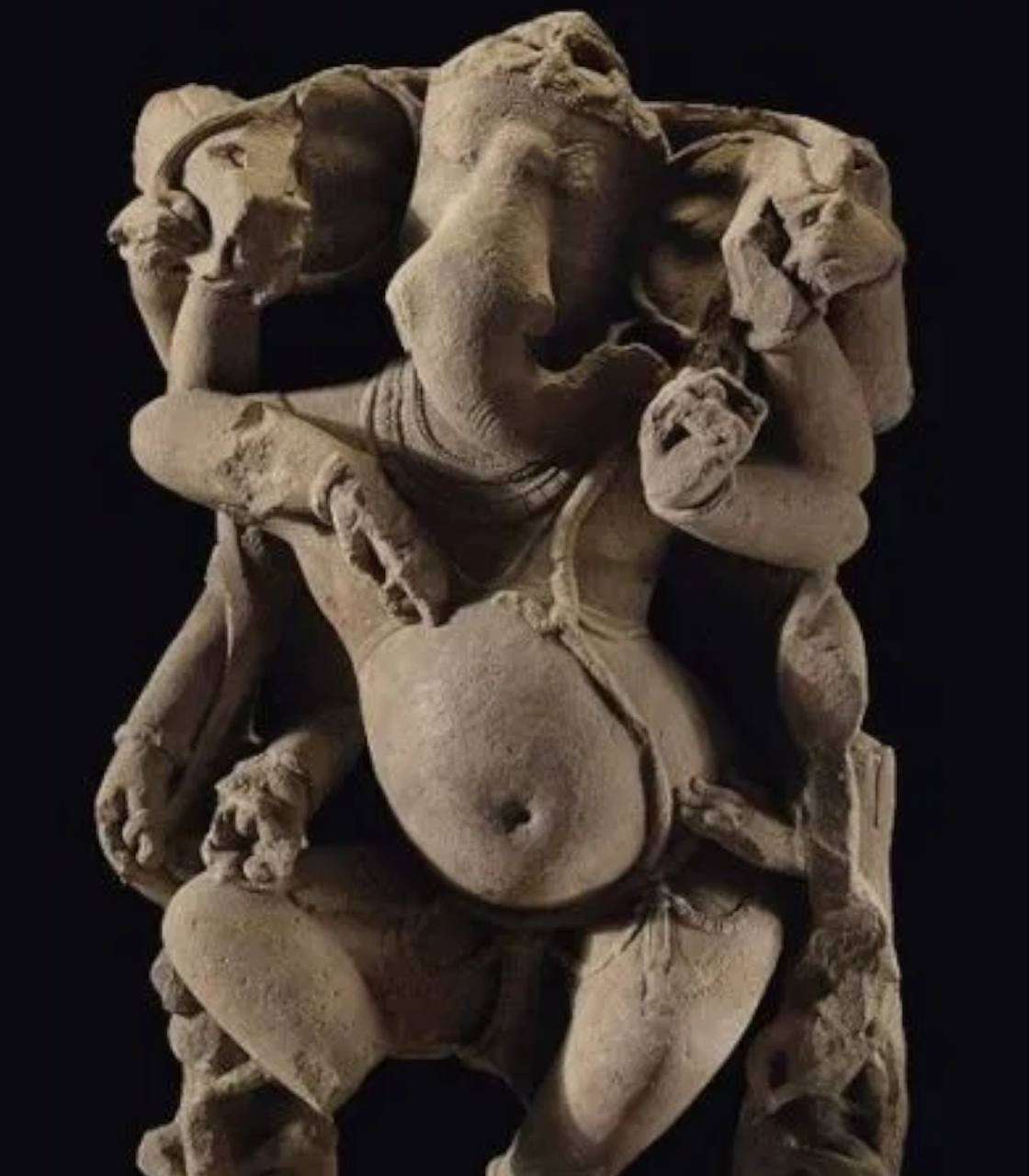
Also included in the return is a sandstone statue of a dancing Ganesha, reportedly looted by one of Kapoor’s alleged associates, Ranjeet “Shantoo” Kanwar.
Kapoor, once a high-profile antiquities dealer, has been under indictment on multiple smuggling-related charges and has become a central figure in international efforts to recover stolen South Asian artifacts.
The repatriation comes at a politically symbolic moment, as New York City Mayor Zohran Mamdani reignited debate over another controversial cultural treasure — the Koh-i-Noor diamond.
Mamdani reportedly suggested that Britain should return the historic gem to India, describing it as part of a larger conversation around colonial-era acquisitions and cultural restitution.
The Koh-i-Noor diamond, weighing 105.6 carats, is currently set in the Queen Mother’s Crown and housed in the Tower of London. Britain acquired the gemstone in 1849, but its ownership has remained fiercely disputed for decades.
India has repeatedly sought its return, arguing that the diamond represents a painful legacy of colonial rule. However, the issue is far from straightforward, as Pakistan, Iran, and Afghanistan have also laid claim to the gem, citing its long and complex history across various empires, including the Mughal and Persian empires.
Mamdani’s comments are expected to add fresh attention to global calls for museums, governments, and collectors to return culturally significant objects obtained during periods of war, colonial expansion, or illegal trafficking.
Although prosecutors clarified that the antiquities handover had been scheduled months in advance and was unrelated to any royal engagements, the timing has nonetheless added momentum to ongoing international debates around ownership, restitution, and historical justice.
For India, the return of the 657 antiquities represents more than just the recovery of valuable artifacts. It is also a symbolic restoration of cultural heritage lost through decades of theft, illegal export, and black-market trade.
Discover more from Scoop Hub
Subscribe to get the latest posts sent to your email.