Germany has taken a decisive step toward reshaping its defense strategy, unveiling an ambitious long-term plan to transform the Bundeswehr into the most powerful conventional military force in Europe by 2039. The sweeping overhaul marks one of the most significant shifts in German military planning in decades, reflecting growing security concerns across the continent.
The initiative, led by Defense Minister Boris Pistorius, introduces a comprehensive package of strategic documents designed to guide the country’s armed forces over the next 20 years. These include Germany’s first standalone military strategy, alongside updated plans for capabilities, personnel expansion, and reserve forces. Speaking in Berlin, Pistorius described the move as a necessary response to the current geopolitical climate, emphasizing that such a strategy has rarely been more urgent.
At the core of the new doctrine is a document titled “Responsibility for Europe,” which outlines Germany’s evolving role in regional and global security. The strategy identifies Russia as the primary security concern and examines potential threats to NATO territory. While many details remain classified, the framework signals a clear shift in how Germany perceives and prepares for modern conflict.
One of the most notable changes is the adoption of a “one theater approach,” which views security challenges across NATO regions, the Middle East, and the Indo-Pacific as interconnected rather than separate. This reflects a broader understanding that modern threats are no longer confined by geography.
Germany is also rethinking how it builds military strength. Instead of focusing strictly on the number of tanks, aircraft, or ships, the new capability model emphasizes outcomes—what the military can actually achieve in combat. Key priorities include developing long-range precision strike capabilities, strengthening defenses against hypersonic missiles, and expanding the use of drone technology. According to Pistorius, Germany is effectively starting from scratch in some of these advanced areas.
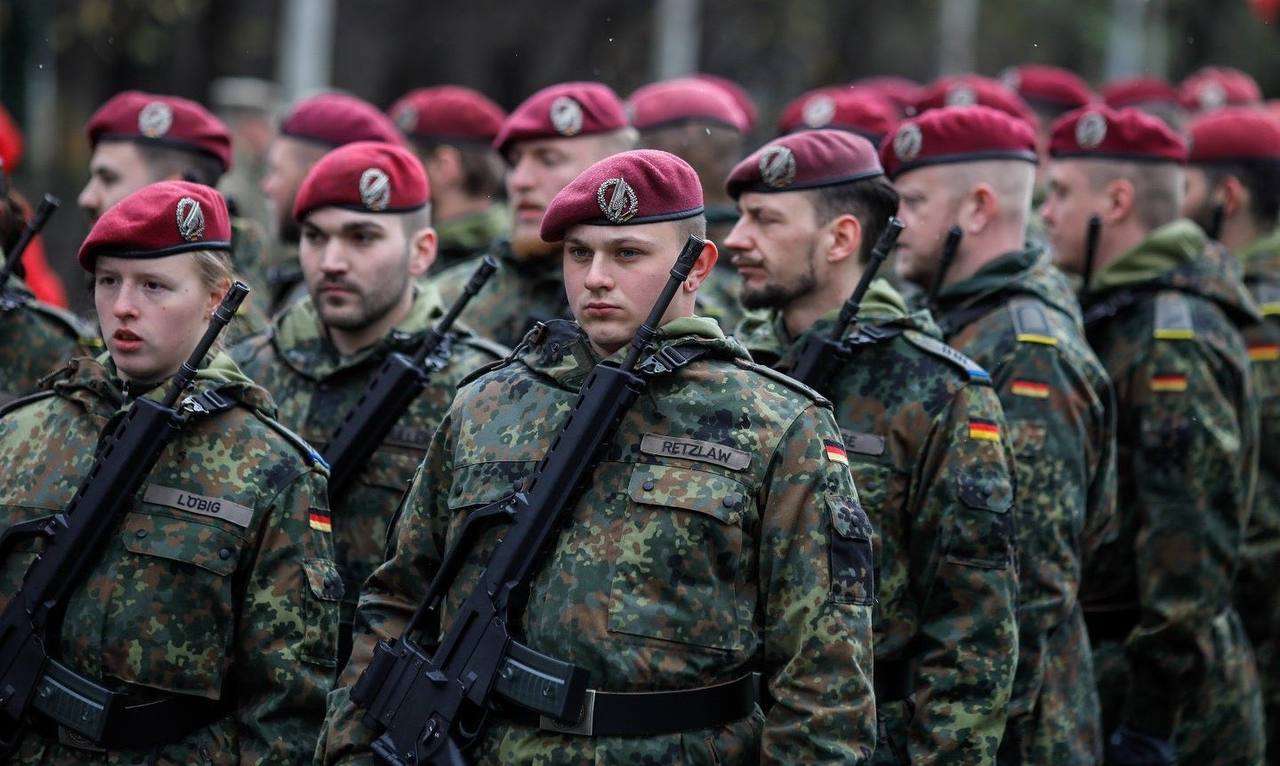
A major pillar of the strategy is a significant expansion of personnel. The plan aims to grow the active-duty force from just over 185,000 troops to around 260,000 by the mid-2030s. At the same time, reserve forces will be dramatically increased to at least 200,000, bringing the total number of combat-ready personnel to roughly 460,000. The expansion will unfold in phases, beginning with rapid growth through 2029, followed by capability development and a longer-term focus on advanced technologies through 2039.
To ensure these goals are met, new legislation introduced in 2026 has embedded recruitment targets into law. While Germany currently relies on voluntary enlistment, conscription remains an option if targets are not achieved. Early signs suggest progress, with recruitment figures already exceeding last year’s levels.
Another significant shift is the elevated role of reserve forces. Traditionally viewed as a backup, reservists will now operate alongside active troops as an equal component of national defense. They are expected to play a critical role in homeland security and in supporting Germany’s position as a logistical hub for allied forces, particularly in times of crisis.
This strategic transformation comes as Europe faces increasing uncertainty and evolving security challenges. By investing in advanced capabilities, expanding its forces, and redefining its military doctrine, Germany is positioning itself as a central pillar of European defense in the decades ahead.
Discover more from Scoop Hub
Subscribe to get the latest posts sent to your email.