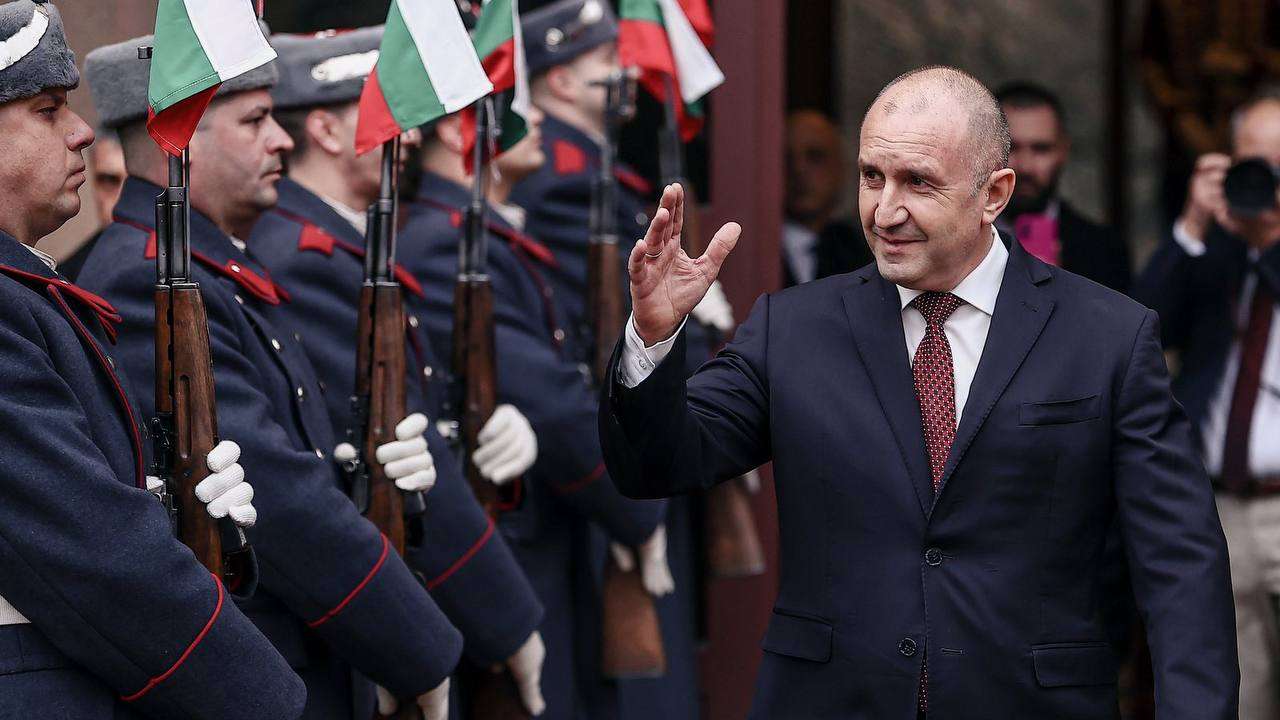
Bulgaria is entering a new political chapter after former president Rumen Radev led his political movement to a decisive victory in the country’s latest parliamentary elections, securing a clear majority and potentially ending years of political instability.
According to near-complete official results, Radev’s Progressive Bulgaria bloc won approximately 44.7 percent of the vote, putting it on track to secure around 130 seats in the 240-member parliament. The result marks the first time since 1997 that a single political group has achieved an outright majority in Bulgaria’s legislature.
The election outcome is significant for a country that has struggled with political uncertainty in recent years, holding multiple elections since 2021. That period of instability began after widespread anti-corruption protests led to the collapse of the long-standing administration of Boyko Borissov.
Radev, a former air force general who stepped down from the presidency earlier this year, campaigned on a platform focused on tackling corruption and dismantling what he described as an entrenched oligarchic system. His message appears to have resonated with a broad base of voters, with turnout reaching its highest level since the political crisis began.
In his first remarks following the vote, Radev described the outcome as a clear and decisive mandate. He framed the victory as a turning point for the country, emphasizing a desire to rebuild trust in governance while maintaining Bulgaria’s place within the European framework.
While he has previously expressed criticism of certain European Union policies and called for a more pragmatic approach to international relations—including renewed engagement with Russia—Radev reiterated his commitment to Bulgaria’s European path. At the same time, he stressed the need for what he called “critical thinking” in navigating a rapidly changing global landscape.
The election also saw a sharp decline in support for established political forces. Borissov’s GERB party secured just over 13 percent of the vote, closely followed by the liberal PP-DB coalition. Meanwhile, smaller parties, including the nationalist Vazrazhdane group and the Movement for Rights and Freedoms (MRF), also gained representation in parliament.
With a strong parliamentary majority, Radev is now positioned to form a government without the need for coalition negotiations—a rare development in Bulgaria’s recent political history. Observers say this could provide the stability needed to push through reforms, though challenges remain in addressing economic pressures and public expectations.
As Bulgaria looks ahead, the focus will now shift to how effectively the new leadership can translate electoral success into tangible change, particularly in tackling corruption and restoring confidence in public institutions.
Discover more from Scoop Hub
Subscribe to get the latest posts sent to your email.