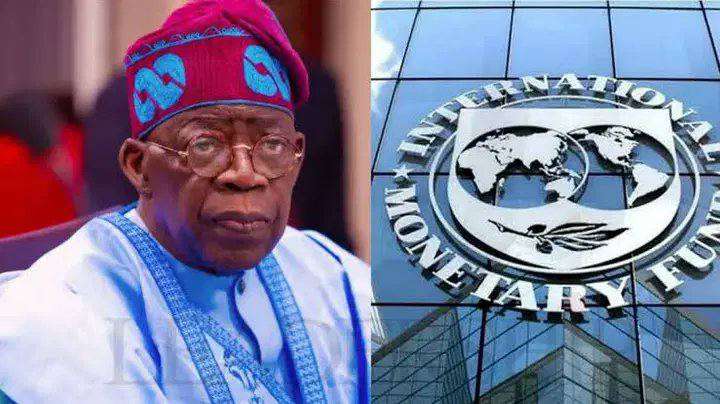
Nigeria may be heading into a more difficult economic period as households continue to struggle with rising living costs, according to fresh warnings from the International Monetary Fund (IMF). The fund says increasing prices of food and transportation are already putting pressure on incomes, a situation worsened by ongoing global economic and geopolitical uncertainties.
Speaking during the Spring Meetings of the World Bank and IMF in Washington, D.C., Abebe Selassie, Director of the IMF’s African Department, noted that the impact of global shocks is being strongly felt across Sub-Saharan Africa, including Nigeria. He explained that disruptions in supply chains, higher fertilizer costs, and surging transport expenses are directly driving up the cost of essential goods, particularly food.
According to him, transportation costs have risen sharply in both urban and rural areas, making daily life more expensive for millions of people. He warned that this trend is already creating visible strain on households and could worsen if global conditions remain unstable.
At the same time, Nigeria’s oil sector has seen a sharp boost, with crude grades such as Brass River and Qua Iboe selling above $113 per barrel on the international market. This is significantly higher than the $60 benchmark used in Nigeria’s 2026 budget, raising hopes for stronger government revenue. The surge has been linked to ongoing geopolitical tensions, including uncertainty around peace talks between the United States and Iran, which has kept global oil prices elevated.
Despite the revenue upside, concerns remain about Nigeria’s growing debt burden and the long-term stability of its public finances. Selassie acknowledged that recent economic reforms in several African countries, including Nigeria, have helped stabilize fiscal conditions and reduce deficits. However, he warned that new external shocks could quickly strain these gains if not carefully managed.
He urged governments to maintain reform momentum while responding to immediate economic pressures, stressing the need for balance. According to him, emergency interventions should not derail long-term economic goals, as doing so could worsen financial vulnerabilities in the future.
For Nigeria, the situation presents a mixed outlook: higher oil prices could strengthen government earnings, but rising domestic costs and inflationary pressures continue to weigh heavily on citizens. As global uncertainties persist, the challenge for policymakers will be to convert short-term gains into lasting economic stability without deepening hardship for households.
Discover more from Scoop Hub
Subscribe to get the latest posts sent to your email.