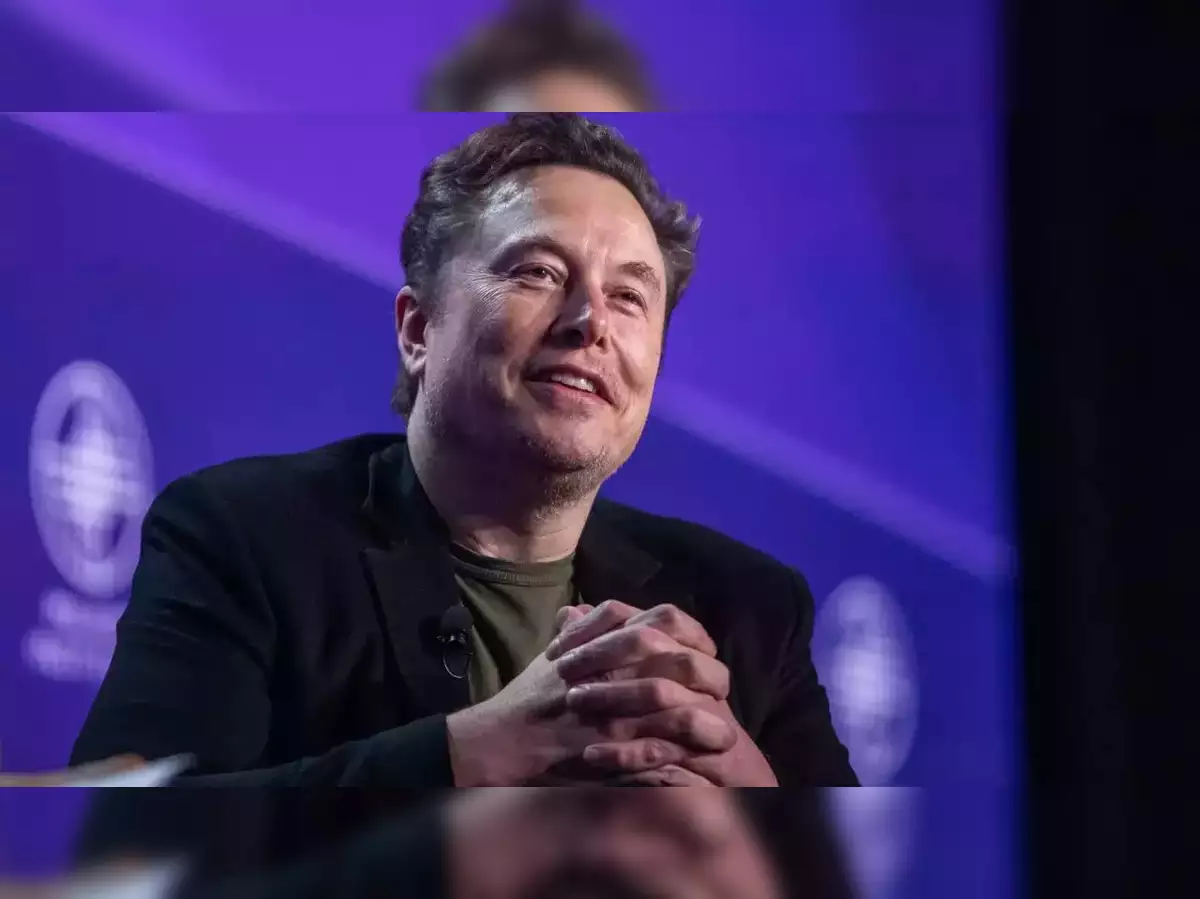
Tech billionaire Elon Musk has once again ignited global debate after suggesting that governments may need to adopt a “Universal High Income” system to address potential mass unemployment caused by artificial intelligence.
In a post shared on his social media platform X, Musk argued that as AI and robotics continue to advance, traditional employment structures could be disrupted at a scale never seen before. According to him, the most practical response would be direct financial support from governments in the form of regular payments to citizens.
He described the idea as “universal high income via checks issued by the federal government,” positioning it as a necessary solution for economies where machines increasingly replace human labour. Musk also rejected concerns that such a system would lead to inflation, arguing that AI and robotics would eventually produce goods and services in such abundance that price pressures would be neutralised.
However, his claims quickly triggered pushback from economists and policy experts who questioned both the feasibility and economic logic of the proposal. One of the most vocal critics, Indian economist Sanjeev Sanyal, dismissed the idea outright, warning that such a policy could place an unbearable financial burden on governments.
Sanyal argued that while AI will undoubtedly disrupt certain jobs, it will also generate new forms of employment and opportunities over time, as has happened with previous technological revolutions. He also challenged Musk’s inflation argument, insisting that increased money distribution without matching economic balance could still lead to rising prices and fiscal instability.
The debate reflects a growing global conversation about the future of work in an AI-driven economy. While some technologists see universal income-style systems as a safety net for displaced workers, many economists remain cautious, pointing to questions of sustainability, funding, and long-term economic impact.
As artificial intelligence continues to reshape industries worldwide, Musk’s proposal adds further urgency to discussions about how governments should prepare for a future where machines take on an increasing share of productive work—and what that means for human livelihoods.
Discover more from Scoop Hub
Subscribe to get the latest posts sent to your email.