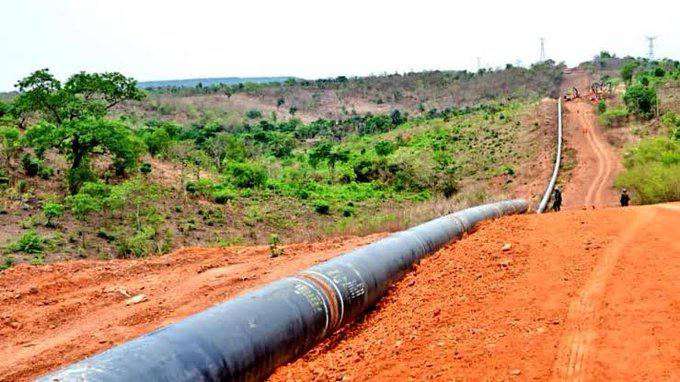
Nigeria is gearing up to begin natural gas delivery to Abuja by July 2026 through the long-anticipated Ajaokuta–Kaduna–Kano Gas Pipeline, marking a significant step forward in the country’s energy transition plans.
According to the Nigerian Upstream Petroleum Regulatory Commission, the project is nearing completion, with officials expressing optimism that gas will soon start flowing to the nation’s capital. The AKK pipeline, spanning approximately 614 kilometres, is designed to transport over 2.2 billion cubic feet of gas per day, providing a major boost to power generation and industrial development, particularly in northern Nigeria.
The pipeline is a key component of Nigeria’s broader strategy to shift from reliance on diesel and fuel oil toward cleaner and more efficient energy sources. With gas supply expected to reach critical infrastructure and industries, the project is also seen as a catalyst for economic growth and energy stability across the region.
Despite holding some of the largest natural gas reserves in Africa—estimated at over 210 trillion cubic feet—Nigeria has long struggled with underdeveloped gas infrastructure. The AKK pipeline is therefore viewed as a crucial test of the country’s ambition to harness its gas resources more effectively.
Initially conceived in 2008 and valued at around $2.8 billion, the project has faced multiple delays over the years. Construction began in 2020 but encountered setbacks due to funding challenges and complex engineering demands, particularly the difficult task of crossing the River Niger. That phase required advanced drilling techniques beneath the riverbed, adding to the project’s timeline and cost.
However, recent updates indicate that the pipeline is now more than 90 percent complete, raising hopes that the long-awaited delivery target may finally be within reach. Once operational, the pipeline will be supplied by gas sourced from southern Nigeria, connected through the existing Obiafu-Obrikom-Oben Gas Pipeline network.
As Nigeria continues to push for a gas-powered economy, the AKK pipeline represents more than just infrastructure—it signals a shift toward energy security, industrial expansion, and a more sustainable future.
Discover more from Scoop Hub
Subscribe to get the latest posts sent to your email.