In a notable diplomatic development, Iran has indicated a willingness to cooperate with Spain regarding access through the strategically vital Strait of Hormuz, even as tensions continue to disrupt global energy flows.
The statement, issued by the Iranian Embassy in Madrid, suggests that Spain may receive favorable consideration for maritime transit requests due to its stance on international law. In a message shared publicly, the embassy emphasized that Iran views Spain as a country committed to legal principles, signaling openness to engage on navigation matters.
This marks the first such indication of flexibility extended by Iran toward a European Union member since the escalation of conflict in the region. Spain, while not a major maritime power, has taken a clear diplomatic position by condemning recent military actions involving the United States and Israel, describing the situation as reckless and contrary to international law.
Further context emerged from a communication sent earlier this week by Iran’s foreign ministry to the United Nations, which stated that “non-hostile vessels” could be permitted to pass through the strait, provided they coordinate with Iranian authorities. This conditional access framework appears to be shaping ongoing negotiations with multiple countries.
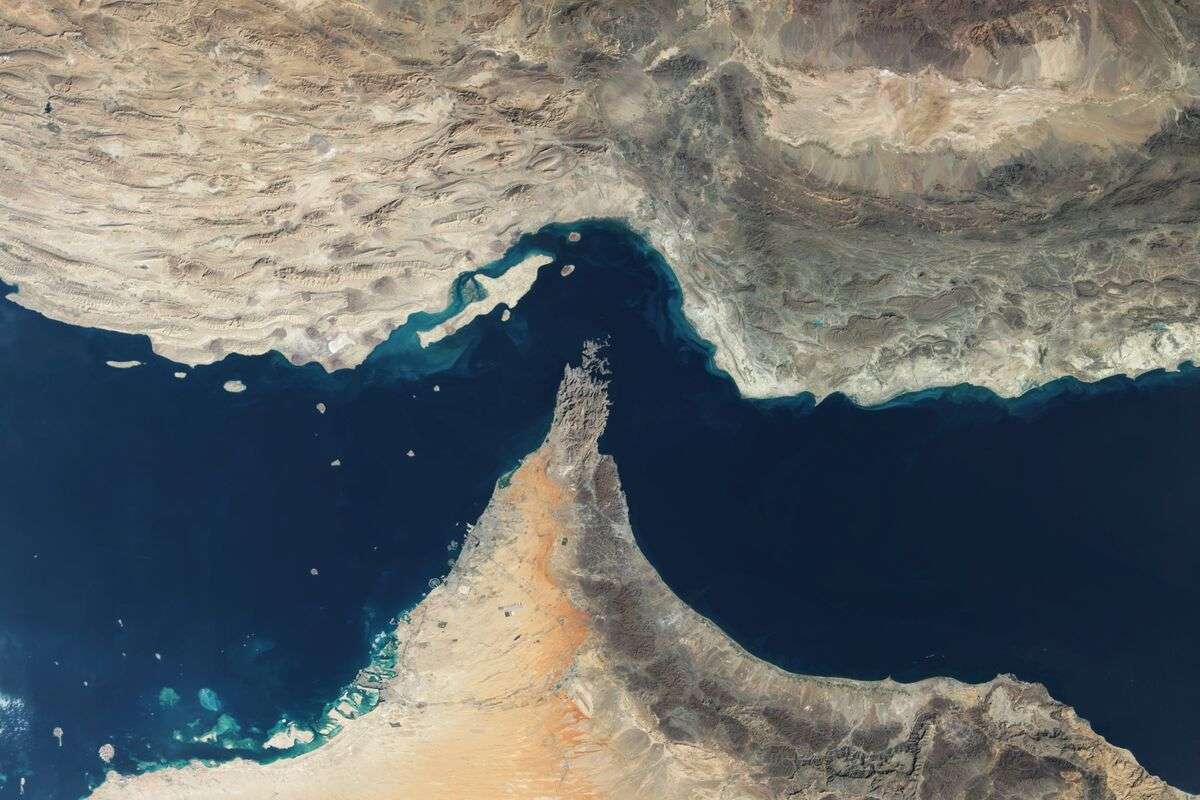
The Strait of Hormuz remains one of the world’s most critical energy chokepoints, handling roughly one-fifth of global oil and liquefied natural gas shipments. However, the ongoing conflict has severely disrupted traffic, triggering concerns about supply shortages and volatility in global energy markets.
There are early signs that diplomatic efforts may be easing some restrictions. A Thai oil tanker has reportedly navigated the strait safely following coordination with Iranian officials, while Malaysia has also confirmed that its vessels are being allowed passage after engaging in talks.
Meanwhile, Donald Trump suggested that Iran recently permitted several oil tankers to pass through the waterway as a gesture of goodwill amid ongoing negotiations. The move, if sustained, could signal a gradual de-escalation in maritime tensions.
While uncertainties remain, Iran’s latest position toward Spain highlights the growing role of diplomacy in managing one of the world’s most sensitive energy corridors. For global markets and shipping industries, any progress in keeping the Strait of Hormuz open is likely to be closely watched in the days ahead.
Discover more from Scoop Hub
Subscribe to get the latest posts sent to your email.