Reports have emerged suggesting that Israel may be facing a shortage of ballistic missile interceptors as its conflict with Iran continues to intensify.
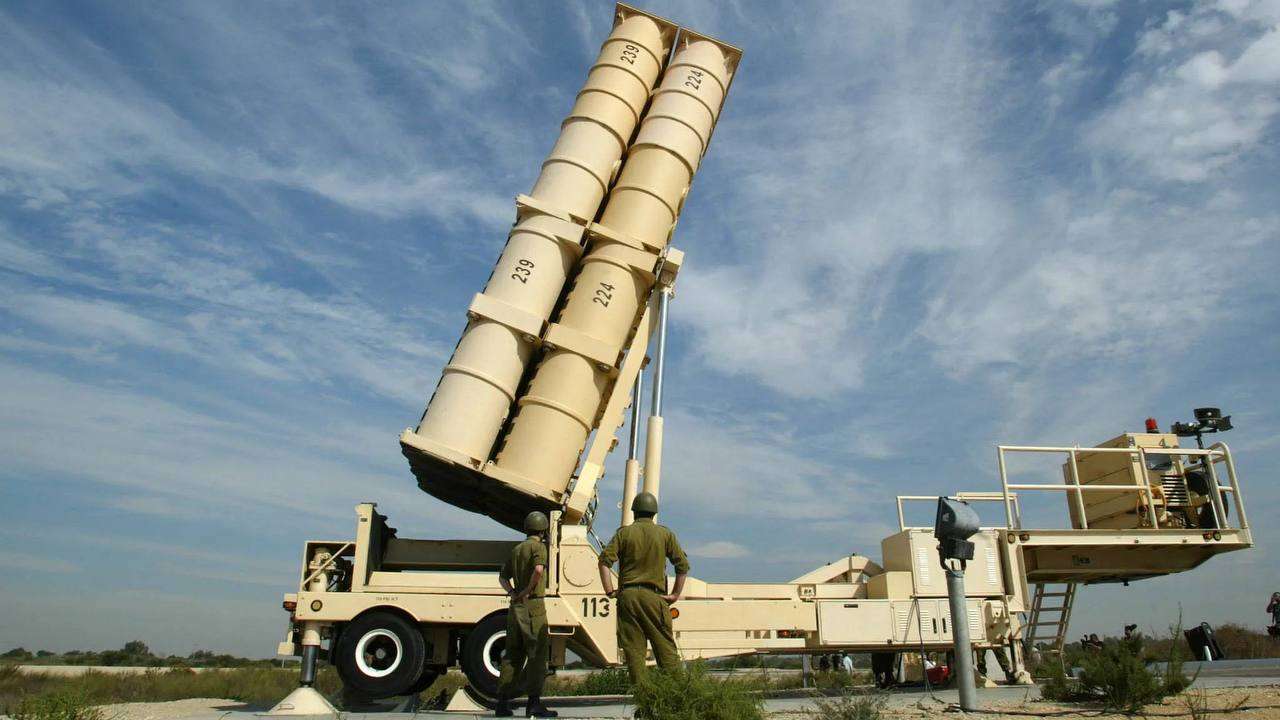
According to information cited by Semafor, Israeli officials recently informed the United States that the country’s supply of interceptors used to stop long-range missiles is becoming critically low. U.S. officials familiar with the matter said Israel had already been operating with limited interceptor reserves before the current phase of the conflict began.
The shortage is believed to be partly linked to the heavy use of missile defense systems during previous confrontations with Iran, including exchanges that occurred last summer. Since the latest escalation began, Israel’s long-range defense systems have been under constant pressure as Iranian missiles continue to target the country.
Additional strain may be coming from changes in Iran’s missile tactics. According to reporting by CNN, Iranian forces have reportedly begun attaching cluster munitions to some missiles. These modifications could make interception more difficult and force defense systems to expend additional interceptors.
U.S. officials say Washington has been aware of Israel’s limited interceptor capacity for months. One official told Semafor that the situation was anticipated given the scale and duration of the conflict.
Despite the reports, Israeli officials have publicly pushed back on claims of a shortage. Gideon Sa’ar dismissed suggestions that Israel is running out of interceptors, according to coverage by The Jerusalem Post.
The question of whether the United States might supply additional interceptors to Israel remains unclear. In previous conflicts, Washington has provided missile defense support and equipment as part of broader military assistance packages.
However, any potential transfer could also raise concerns about U.S. stockpiles if the conflict continues for an extended period. U.S. officials have indicated that American forces in the region currently have sufficient defensive resources to protect their bases, personnel, and strategic interests.
Israel still maintains multiple layers of missile defense. Its most widely known system, Iron Dome, is primarily designed to intercept rockets and short-range projectiles. For longer-range threats, Israel relies on more advanced systems capable of targeting ballistic missiles before they reach populated areas.
In addition to ground-based defenses, Israel can also deploy fighter jets to intercept certain airborne threats. Nevertheless, ballistic missile interceptors remain one of the country’s most effective tools for defending against long-range attacks.
As the conflict between Israel and Iran continues, the availability of these defensive systems could play a crucial role in shaping the security landscape across the region.
Discover more from Scoop Hub
Subscribe to get the latest posts sent to your email.