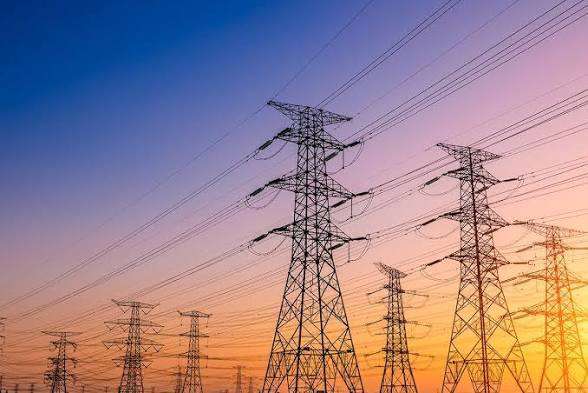
Nigeria’s electricity supply could deteriorate further in the coming weeks as gas suppliers begin halting fuel deliveries to thermal power plants over an estimated ₦3.3 trillion debt owed within the power generation chain.
The warning was issued by Joy Ogaji, who said the mounting financial obligations in the power sector are pushing the industry toward a deeper crisis. Speaking during a radio interview, she explained that unpaid debts have forced gas producers to reconsider continued supply to electricity generation companies.
According to Ogaji, many gas suppliers have informed generation companies that they will stop providing fuel unless outstanding payments are settled. Since most of Nigeria’s electricity is produced by gas-powered plants, such a move could significantly worsen the country’s already fragile power supply.
Nigeria has been grappling with persistent electricity shortages in recent months. Many households and businesses across the country have reported prolonged blackouts since the beginning of the year. Data released by the Nigerian Independent System Operator shows that national power generation has recently fallen below 4,000 megawatts, largely due to reduced gas supply to thermal plants.
As of Tuesday, the country’s eleven electricity distribution companies were reportedly sharing just 3,053 megawatts of power, a level far below what is required to provide reliable electricity nationwide. The shortages have forced the Transmission Company of Nigeria to implement load shedding, distributing the limited power available among different regions.
Industry figures also highlight the scale of the gas shortage affecting electricity production. Thermal power plants require approximately 1,629.75 million standard cubic feet of gas per day to operate efficiently. However, as of late February 2026, supply was estimated at only about 692 million standard cubic feet per day—less than 43 percent of what is needed.
With fuel supply declining, several power plants have reportedly shut down operations, further straining the national grid.
Ogaji traced the root of the crisis to long-standing payment issues within the electricity market. She said the Nigerian Bulk Electricity Trading Plc, which purchases electricity from generation companies and sells it to distribution companies, has never fully paid for power generated since the sector was privatised in 2013.
As a result, the Federal Government’s total debt to power generation companies has grown to around ₦6.8 trillion. Of this amount, roughly 70 percent relates to gas-fired plants that dominate electricity generation in Nigeria.
Because thermal plants rely heavily on natural gas, a large share of the debt is indirectly owed to gas producers. Industry estimates suggest about ₦3.3 trillion of the outstanding liabilities is owed to companies supplying gas used to power electricity plants.
Ogaji explained that the debt burden has grown steadily over time. By the end of 2024, the outstanding obligations had reached approximately ₦4 trillion. In 2025 alone, monthly shortfalls averaged about ₦200 billion, adding roughly ₦2.4 trillion to the debt. By early 2026, the figure had climbed close to ₦6.8 trillion and continues to rise.
Nigeria’s national grid currently relies heavily on thermal power generation. Out of about 30 power plants connected to the grid, around 70 percent run on gas while the remaining 30 percent are hydroelectric facilities. While hydro plants rely on water and do not incur gas costs, the majority of electricity still depends on gas-fired stations.
With gas producers now demanding payment before supplying fuel, the situation threatens to deepen the country’s power shortage unless urgent financial and policy measures are introduced.
For millions of Nigerians already struggling with unreliable electricity, rising fuel costs, and extreme heat conditions, the looming disruption could make access to power even more difficult in the weeks ahead.
Discover more from Scoop Hub
Subscribe to get the latest posts sent to your email.