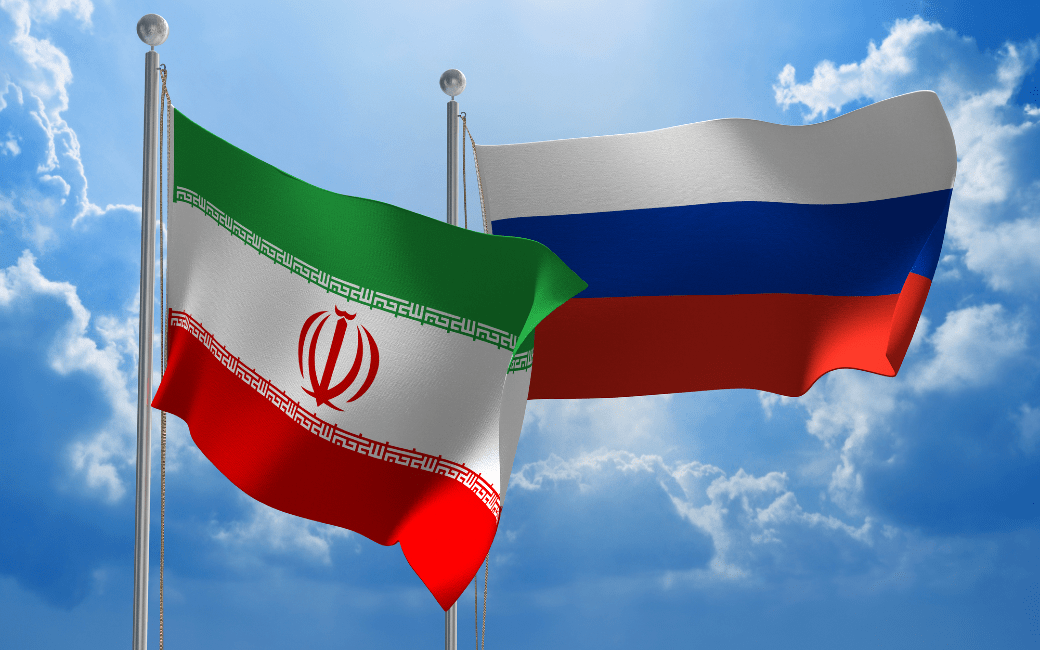
Russia has officially expanded its cultural footprint in the Middle East with the opening of a new Russian House in Tehran, marking another step in deepening cultural and educational ties with Iran.
The Russian House, which opened on February 17 in the Iranian capital, is designed as a cultural and educational hub for Iranians interested in Russian language, arts, history, and academic opportunities. The center aims to serve as a meeting point for cultural exchange, offering visitors access to Russian films, concerts, art exhibitions, expert discussions, and information about studying in Russia.
The opening ceremony featured a diverse program highlighting artistic collaboration between the two nations. Guests explored a photo exhibition by the Russian Geographical Society titled “Russia: A Multinational Country,” showcasing the country’s cultural and ethnic diversity.
Alongside it was an exhibition of works by Iranian artists inspired by Russian landscapes, history, and cultural themes. The participating artists spoke about their creative processes and their fascination with Russian culture.
Music played a central role in the celebrations. The event included performances by Iranian musicians as well as a special appearance by renowned Russian violinist Pyotr Lundstrem. Representatives from the Gnessin Russian Academy of Music also performed, delivering what attendees described as memorable musical moments that reflected both classical traditions and contemporary artistry.
The ceremony was attended by several high-ranking officials from both countries, underscoring the diplomatic importance of the initiative. Among those present were Russian Energy Minister Sergey Tsivilev, Russian Ambassador to Iran Alexey Dedov, Head of Rossotrudnichestvo Evgeny Primakov, and Head of the Russian House Lilia Pankina. Representing Iran were Deputy Minister of Culture Mehdi Mohammadi and Iranian Ambassador to Russia Kazem Jalali.
The launch of the Russian House in Tehran reflects ongoing efforts to strengthen people-to-people connections between Moscow and Tehran beyond political and economic cooperation. By focusing on culture, education, and the arts, both nations appear keen to build deeper societal links that complement their broader diplomatic relationship.
As global alliances continue to shift, initiatives like the Russian House highlight how cultural diplomacy remains a powerful tool in shaping international partnerships and fostering mutual understanding.
Discover more from Scoop Hub
Subscribe to get the latest posts sent to your email.