China is reportedly developing a “new generation” of nuclear weapons, raising fresh concerns within U.S. intelligence circles and adding another layer of tension to an already fragile global security environment.
According to U.S. officials who spoke to CNN, Beijing may have already conducted at least one undisclosed explosive test earlier this month as part of its effort to modernize and expand its nuclear arsenal. While the details of the test remain classified, intelligence sources believe it signals a significant technological leap beyond China’s existing stockpile of more than 600 operational nuclear warheads.
One U.S. official described the program as a major shift, noting that China is working on weapons systems for which it has little to no historical testing data. That lack of a long-standing database suggests Beijing could be entering uncharted territory in its nuclear development strategy — a move that could reshape its long-standing deterrence posture.
At the heart of the concern is the possibility that China is pursuing low-yield, tactical nuclear weapons for the first time. Unlike traditional strategic nuclear weapons designed for large-scale deterrence, low-yield nuclear arms are intended for more limited battlefield use. U.S. officials believe these weapons could factor into potential military scenarios involving Taiwan, particularly if Washington intervenes in defense of the island.
China has long maintained a nuclear doctrine centered on “minimum deterrence” and a no-first-use policy. However, analysts say the reported modernization efforts — fueled by significant and largely undisclosed financial investments — may signal a recalibration of that strategy. Expanding both the quantity and diversity of its nuclear arsenal could give Beijing more flexible military options in regional conflicts.
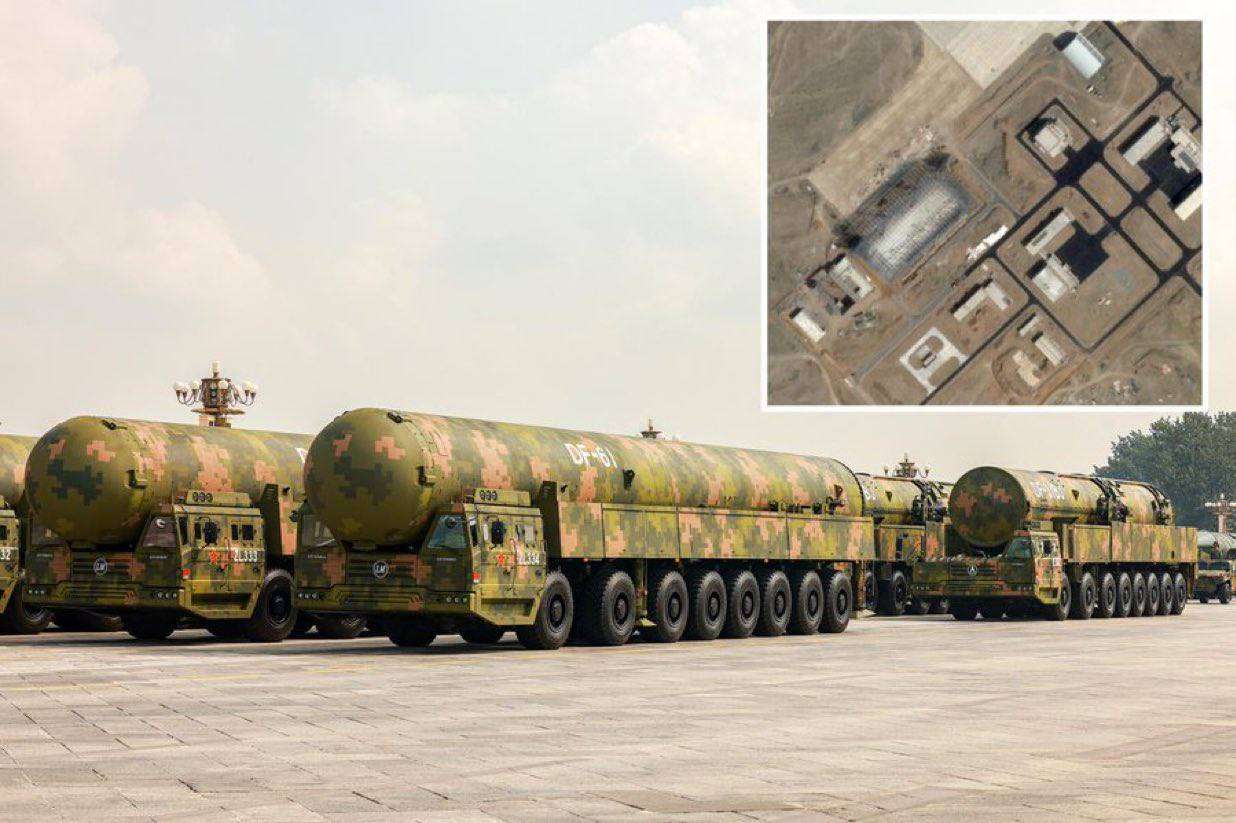
The reports also revive attention around China’s nuclear testing history. In June 2020, China reportedly conducted an explosive nuclear test at the highly secretive Lop Nur facility in its northwestern desert region. That test drew scrutiny because Beijing had declared a voluntary moratorium on nuclear testing in 1996. Although China is not a signatory to the Comprehensive Nuclear-Test-Ban Treaty, it has publicly supported the global ban in principle.
If confirmed, the latest test would further underscore the rapid pace of China’s military modernization, particularly within the People’s Liberation Army Rocket Force. Over the past decade, satellite imagery and defense assessments have shown the construction of new missile silos, expanded delivery systems, and advanced hypersonic capabilities.
For Washington, the implications are significant. A more advanced and diversified Chinese nuclear force could complicate U.S. defense planning in the Indo-Pacific, especially amid rising cross-strait tensions between China and Taiwan. It may also intensify debates in the U.S. over missile defense systems, nuclear modernization programs, and strategic deterrence policies.
While Beijing has not publicly confirmed details of the reported February test, the developments highlight a broader reality: the global nuclear landscape is evolving quickly. As major powers modernize their arsenals, concerns over transparency, arms control, and strategic stability are once again at the forefront of international security discussions.
Discover more from Scoop Hub
Subscribe to get the latest posts sent to your email.