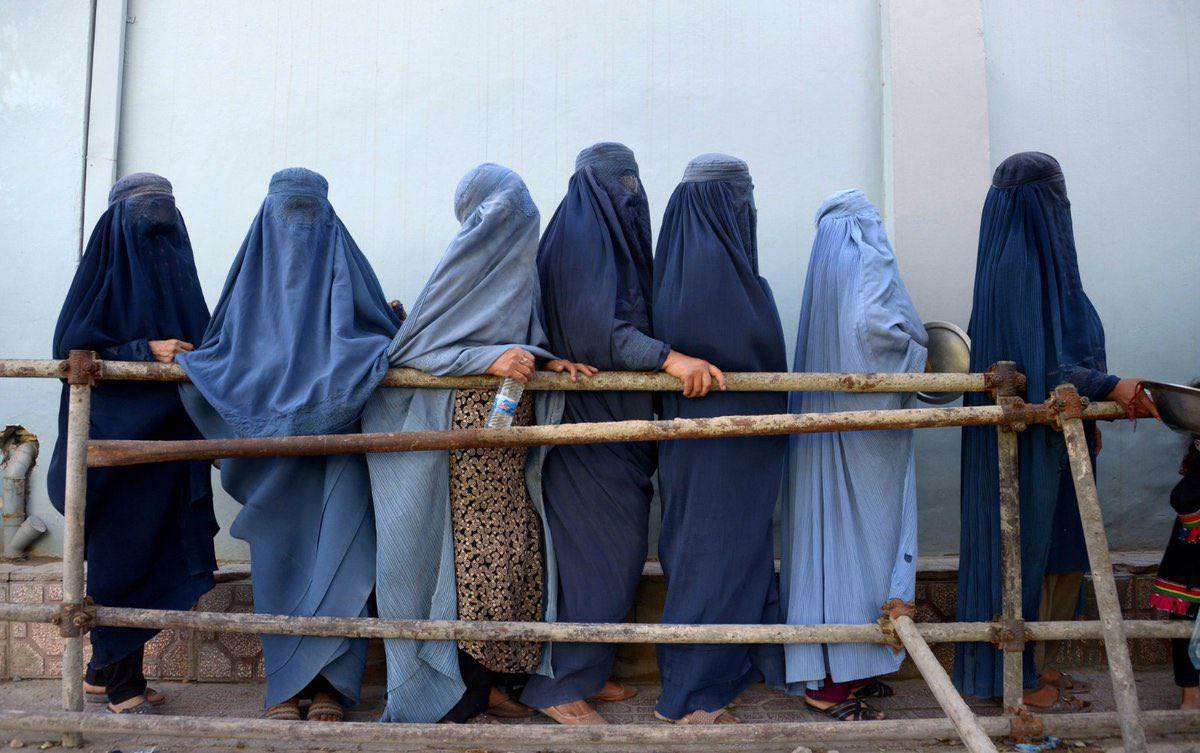
The Taliban has once again drawn sharp international condemnation following reports that its newly introduced penal code includes a provision permitting husbands to use physical force against their wives for what is described as “disobedience” — provided the violence does not result in fractures, serious injuries, or visible bruising.
According to details emerging from the group’s revised legal framework, Article 32 outlines conditions under which a husband may “discipline” his wife. The clause reportedly allows physical punishment as long as it leaves no lasting or visible marks. Human rights advocates say the wording effectively legitimizes domestic violence while attempting to shield perpetrators from accountability by framing abuse within legal boundaries.
The development has intensified global concerns about the state of women’s rights in Afghanistan since the Taliban returned to power in 2021. Over the past few years, restrictions on women and girls have steadily increased, ranging from bans on secondary and university education to limitations on employment, travel, and public life. Critics argue that this latest legal provision further institutionalizes gender-based discrimination and reinforces a system where women have limited legal recourse.
Women’s rights organizations have warned that allowing violence under any legal justification creates a dangerous environment. Even if physical harm is restricted to “non-visible” injury, they argue, the psychological and emotional impact can be profound and long-lasting. Advocates stress that domestic abuse often occurs behind closed doors, and laws that appear to regulate “acceptable” levels of harm risk normalizing violence rather than preventing it.
Discover more from Scoop Hub
Subscribe to get the latest posts sent to your email.