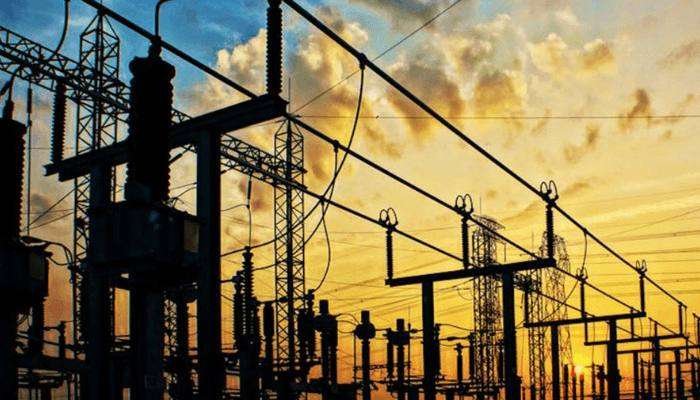
Nigeria’s electricity supply suffered another major setback on Tuesday as the national power grid collapsed for the second time in 2026, plunging the country into widespread outages and leaving homes and businesses without electricity.
Data available at the time of reporting showed zero megawatts of power supply across the grid, with no allocation to any of the 11 electricity distribution companies (DisCos) nationwide. Electricity generation reportedly fell dramatically from over 4,500 megawatts to 0 megawatts by around 11:00 a.m., highlighting the scale of the system failure.
This latest collapse comes barely days after the grid’s first breakdown of the year last Friday, and only weeks after a similar incident on December 29, 2025, which also triggered nationwide blackouts. The repeated failures have renewed concerns about the fragility of Nigeria’s power infrastructure and its impact on daily life and economic activity.
Checks indicated that all 23 power generation plants connected to the national grid lost output simultaneously during the incident. As a result, none of the DisCos received power supply, effectively shutting down electricity distribution across the country.
While the exact cause of Tuesday’s collapse had not been immediately identified, grid failures in Nigeria have often been linked to technical faults, poor maintenance of transmission lines, and instability in generation capacity. As of the time of filing this report, officials of the Transmission Company of Nigeria (TCN) had yet to release a detailed explanation of what triggered the outage.
However, authorities confirmed that recovery efforts were underway, raising cautious hopes that power supply would be gradually restored. For many Nigerians, though, the recurring grid collapses have become a familiar and frustrating reality, deepening calls for urgent reforms, investment, and long-term solutions in the power sector.
As the country waits for electricity to return, this latest incident once again underscores the persistent challenges facing Nigeria’s national grid—and the growing urgency to fix a system that continues to falter under pressure.
Discover more from Scoop Hub
Subscribe to get the latest posts sent to your email.