India is grappling with a fresh outbreak of the Nipah virus after health authorities confirmed five infections in the eastern state of West Bengal, triggering heightened concern among public health officials due to the virus’s high fatality rate and the absence of a cure or vaccine.
The outbreak is believed to have originated at a private hospital in Barasat, where several of the early cases were detected. Notably, three of the infected individuals are healthcare workers, raising fears of hospital-based transmission. As containment efforts intensify, nearly 100 people who had close contact with confirmed cases have been placed under quarantine, according to officials familiar with the response.
Patients diagnosed with the virus have since been transferred to a specialized infectious diseases hospital on the outskirts of Kolkata, where they are being closely monitored and isolated to prevent further spread.
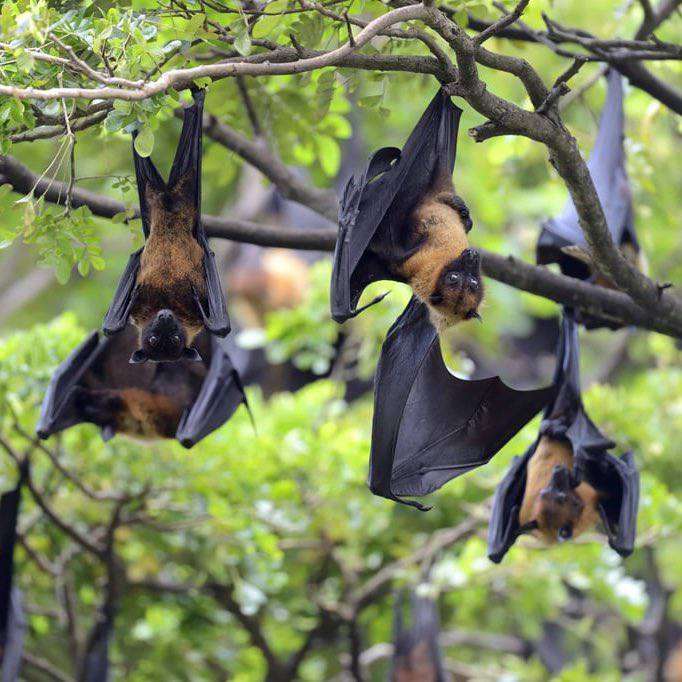
Nipah virus, scientifically known as Henipavirus nipahense, was first identified in 1998 and is classified as a zoonotic disease, meaning it can spread from animals to humans. The virus is primarily carried by fruit bats and can infect animals—most commonly pigs—before passing to humans through direct contact or contaminated food. Human-to-human transmission has also been documented, particularly in healthcare settings.
Early symptoms of Nipah infection often resemble those of common respiratory illnesses and may include fever, headache, sore throat, cough, and difficulty breathing. Symptoms typically appear within four to 14 days of infection, though longer incubation periods have been observed in past outbreaks. Once symptoms begin, the illness usually progresses over three to 14 days.
In severe cases, the infection can lead to encephalitis, a dangerous inflammation of the brain. This complication may cause confusion, extreme drowsiness, seizures, and rapid deterioration, with some patients slipping into a coma within 24 to 48 hours. Nipah outbreaks in the past have recorded mortality rates as high as 75 percent, making it one of the most lethal viral diseases known.
Health authorities, including the UK Health Security Agency, have reiterated that there is no proven treatment or vaccine for Nipah virus infection. Current medical care is largely supportive, focusing on managing symptoms and preventing complications.
While the virus has never been recorded in the United States, the West Bengal outbreak has renewed global attention on Nipah due to its deadly nature and potential for cross-border spread. Indian health officials say surveillance and containment measures are ongoing and have urged the public to remain vigilant, follow health advisories, and avoid unnecessary panic as efforts continue to control the outbreak.
Discover more from Scoop Hub
Subscribe to get the latest posts sent to your email.