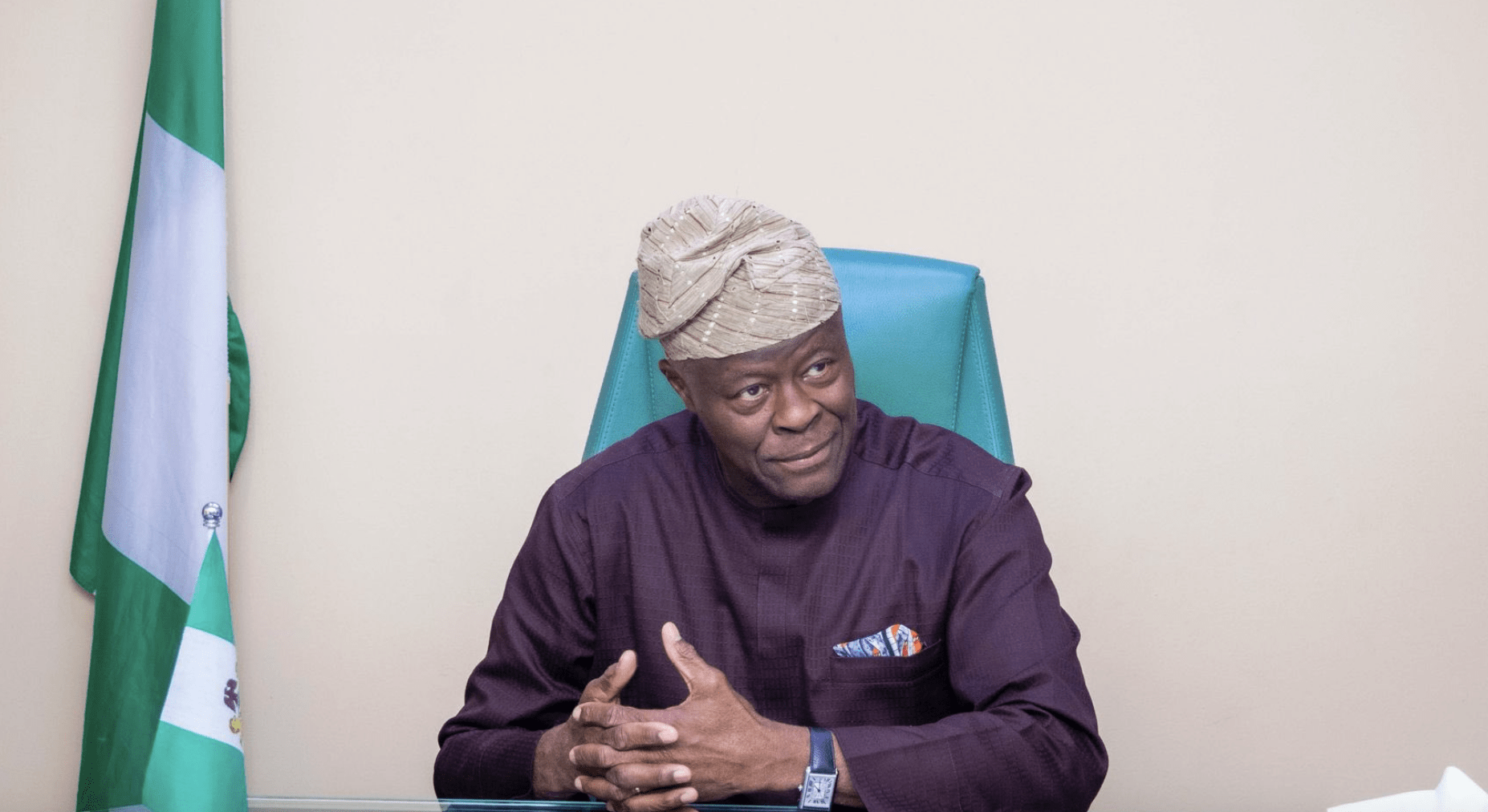
The Federal Government has reaffirmed its commitment to investing more in Nigeria’s economy while reducing its dependence on borrowing, as it shifts focus toward domestic revenue generation and long-term fiscal sustainability.
Minister of Finance and Coordinating Minister of the Economy, Wale Edun, made this known on Tuesday during an interview with Bloomberg Television at the ongoing 56th World Economic Forum in Davos, Switzerland. He explained that the government’s current priority is to strengthen revenue collection and rely more on resources generated within the country rather than external loans.
According to Edun, Nigeria is deliberately repositioning its fiscal strategy to emphasise domestic resource mobilisation. He noted that while the country still has access to international bond markets if the need arises, borrowing is no longer the preferred option. Instead, the government is concentrating on expanding revenue streams and improving tax efficiency to support economic growth.
The finance minister said the shift aligns with ongoing fiscal reforms aimed at stabilising the economy amid global economic uncertainty. These reforms, he explained, are designed to strengthen public finances, reduce debt exposure, and create a more resilient economic structure that can withstand external shocks.
Edun also highlighted the government’s efforts to modernise Nigeria’s fiscal framework, improve tax administration, and boost investor confidence. He stressed that reducing reliance on external debt is central to the administration’s broader economic agenda, which prioritises sustainable growth over short-term borrowing.
Nigeria’s reform efforts are already drawing positive attention from international institutions. Recent economic forecasts suggest early signs of progress, with the International Monetary Fund upgrading Nigeria’s growth projection to 4.4 percent for 2026, compared to an estimated 4.2 percent in 2025.
The minister maintained that while international capital remains an option, Nigeria’s long-term economic health depends on strengthening internal revenue generation and building a self-sustaining economy. He added that the government’s policies are focused on laying a solid foundation for future growth while restoring confidence among local and foreign investors.
As fiscal reforms continue, the Federal Government believes a reduced borrowing profile combined with increased investment and domestic revenue will place Nigeria on a stronger and more sustainable economic path.
Discover more from Scoop Hub
Subscribe to get the latest posts sent to your email.