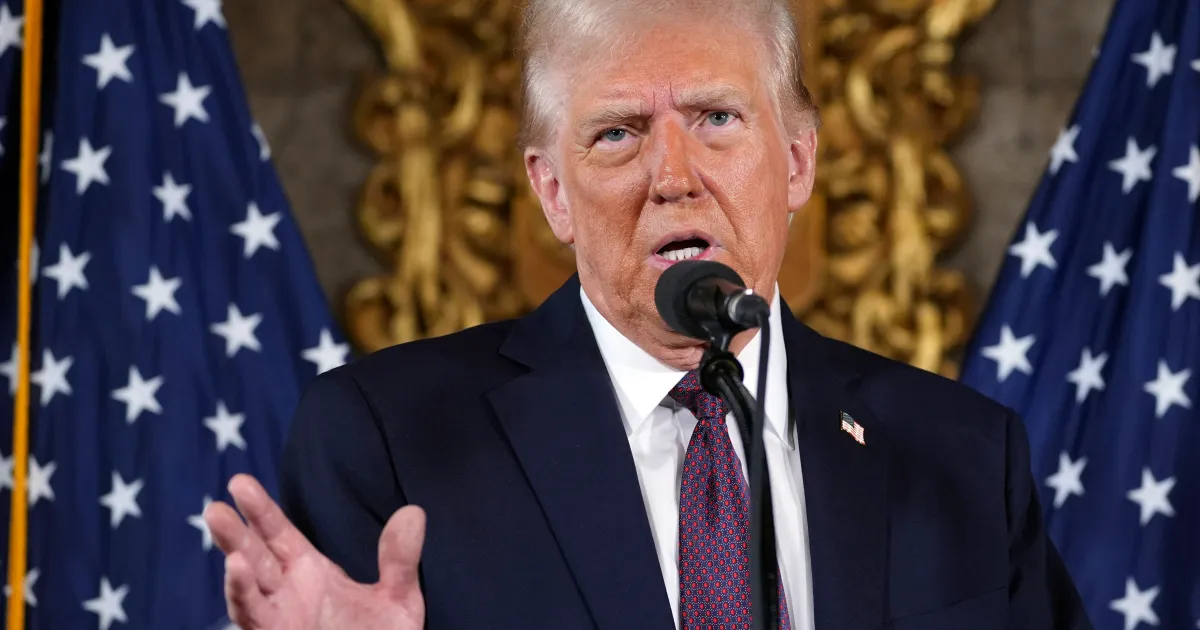
In a bold and controversial shift in U.S. foreign policy, President Donald Trump has explicitly stated that China and Russia will only be permitted to buy Venezuelan crude oil under U.S. control, a declaration that has ignited global discussion about sovereignty, energy geopolitics, and the future of Venezuela’s oil industry.
Speaking during a White House meeting with top U.S. energy executives, Trump argued that controlling Venezuela’s vast petroleum resources — long a focal point of international competition — is now a strategic priority for Washington.
According to U.S. officials, Trump said that if the United States did not take the lead in managing Venezuela’s oil sector, China or Russia would step in, effectively turning the country’s energy reserves into a geopolitical battleground.
Under the plan being pursued by the administration, Venezuelan crude would be sold on global markets with oversight from Washington, and proceeds would be held in accounts controlled by the U.S. government. Energy Secretary Chris Wright has said this control could be “indefinite,” with Washington overseeing both existing stockpiles and future production.
White House officials frame the strategy as part of a broader effort to rebuild Venezuela’s oil sector, bolster economic stability in the region, and limit influence from countries Washington views as adversaries. In remarks to executives, Trump emphasized that China and Russia could still purchase oil, but such transactions would occur under terms dictated by the United States.
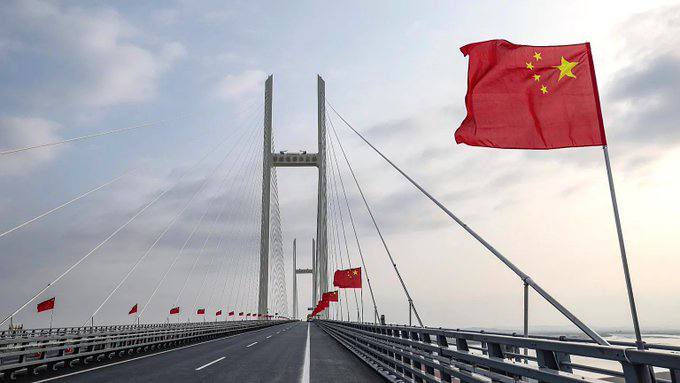
The U.S. stance has drawn sharp reactions abroad, particularly from China. At a recent press briefing, Chinese Foreign Ministry spokesperson Mao Ning reaffirmed China’s long-standing position that Latin American nations are sovereign and have the right to independently choose their economic partners. China, she said, will continue efforts to deepen practical cooperation with Venezuela and other countries in the region, regardless of external pressure.
As the situation unfolds, the debate over who should control Venezuela’s oil — and on what terms — promises to remain at the center of U.S. foreign policy discussions, energy markets, and diplomatic relations across the Western Hemisphere and beyond.
Discover more from Scoop Hub
Subscribe to get the latest posts sent to your email.