The United States Department of Defense has officially begun releasing a large collection of previously classified files related to unidentified anomalous phenomena (UAP), more commonly known as UFOs, sparking renewed public interest in unexplained aerial sightings and the long-running question of whether humanity is alone in the universe.
The newly declassified records were released on Friday through a dedicated government archive, following weeks of anticipation after Donald Trump hinted that “very interesting documents” would soon be made public.
According to Pentagon officials, the archive is designed to give the public direct access to federal government files on UAP investigations without requiring security clearance. The initial release contains more than 160 files documenting over 400 reported incidents from different parts of the world, with officials confirming that additional materials will be uploaded gradually over time.
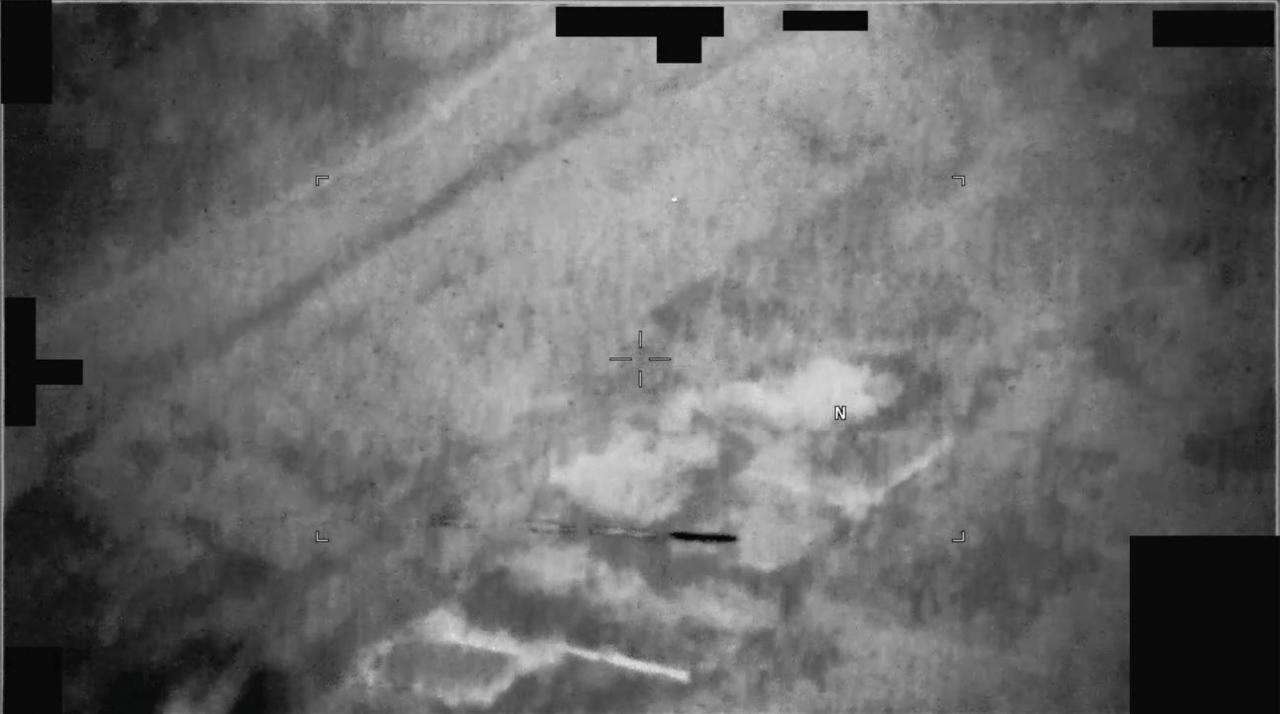
The files include a mix of military footage, infrared videos, photographs, eyewitness accounts, and original source documents collected from various U.S. government agencies. Many of the visuals are grainy and difficult to interpret, featuring unusual lights, dark shapes, and unidentified objects captured through military sensors.
Some of the most intriguing materials in the release date back decades, including records connected to historic Apollo 11 Moon Landing and later moon missions.
One of the standout files references a 1969 post-mission debrief involving astronaut Buzz Aldrin following the Apollo 11 mission. In the report, Aldrin described seeing small flashes of light inside the spacecraft cabin at regular intervals while attempting to sleep. In another account, he mentioned observing what appeared to be a bright light source that was tentatively believed to be a possible laser.
Similar reports appear in records from Apollo 12 mission, where astronaut Alan Bean documented flashes of light he described as drifting into space.
The archive also contains files from Apollo 17 mission, the final Apollo lunar mission in 1972. During that mission, astronaut Harrison Schmitt reported seeing bright particles of light tumbling and rotating in the distance, comparing the visual effect to “the Fourth of July.”
While these accounts have reignited fascination among UFO enthusiasts and conspiracy theorists, the Pentagon noted that several incidents included in the files were quickly explained through conventional means after investigation.
However, not every case has a clear resolution. A number of files simply document sightings or sensor detections without offering final conclusions, leaving room for continued speculation and scientific analysis.
The government has increasingly shifted from using the term UFO to UAP in recent years, reflecting a broader effort to study unexplained aerial and spatial phenomena with less stigma and greater scientific rigor.
Although the release does not provide evidence confirming extraterrestrial life, it offers one of the most comprehensive public collections of UAP-related government records to date.
For decades, public curiosity surrounding hidden UFO files has fueled debates, documentaries, books, and theories about possible alien encounters, government secrecy, and unexplained technology.
With these newly released documents now accessible to the public, researchers, journalists, and curious observers alike are expected to spend months analyzing the material for clues that may either solve long-standing mysteries or deepen them even further.
As more files are expected to be released in the coming weeks, the conversation around UFOs, national security, and the possibility of life beyond Earth is once again taking center stage.
Discover more from Scoop Hub
Subscribe to get the latest posts sent to your email.