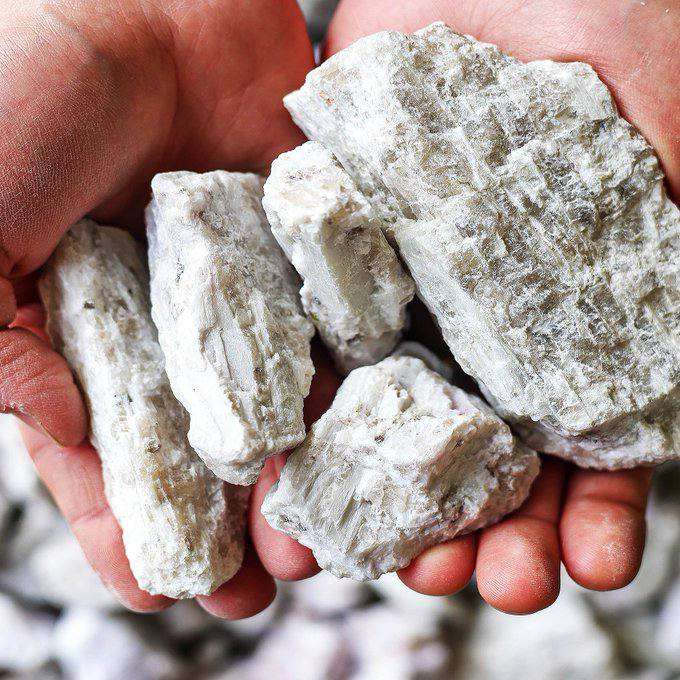
The United States may be sitting on one of its most valuable untapped mineral resources, following a new report from the United States Geological Survey revealing an estimated 2.3 million metric tons of undiscovered lithium in the Appalachian region.
According to the study, the newly identified resource could dramatically strengthen America’s domestic supply of lithium, a mineral considered essential for modern technology and the global clean energy transition. Researchers say the deposit is large enough to offset current U.S. lithium imports for more than three centuries.
Lithium plays a critical role in the production of lithium-ion batteries, which power electric vehicles, smartphones, laptops, renewable energy storage systems, military equipment, and a growing range of consumer electronics. As global demand for cleaner energy solutions rises, access to reliable lithium supplies has become a major strategic priority.
The USGS report notes that worldwide lithium demand is expected to surge significantly in the coming decades, largely fueled by the rapid growth of electric vehicle manufacturing and large-scale energy storage needs. Industry forecasts suggest demand could rise more than 48-fold by 2040.
Officials say the Appalachian deposit could theoretically support the production of approximately 130 million electric vehicles, billions of laptops, and hundreds of billions of smartphones, underscoring its enormous economic and industrial significance.
At present, the United States remains heavily dependent on foreign sources for lithium. More than half of its supply is imported, exposing the country to global market volatility and geopolitical risks. The nation currently operates only one active commercial lithium mine, the Silver Peak Mine in Nevada.
Globally, Australia is the largest producer of lithium, while China dominates refining and processing capacity. This imbalance has heightened concerns in Washington over supply chain security and long-term competitiveness.
USGS Director Ned Mamula described the findings as a significant step toward strengthening America’s mineral independence. He noted that the discovery highlights the Appalachian region’s potential to help meet the nation’s growing technology and energy needs while reducing reliance on imported critical minerals.
However, unlocking this potential will require more than geological discovery. Experts say expanded domestic mining will depend on infrastructure investment, workforce training, scientific mapping, and regulatory policies that support environmentally responsible extraction.
The findings come at a time when governments and industries worldwide are racing to secure critical minerals needed for the energy transition. For the United States, the discovery could represent not just an economic opportunity, but a strategic advantage in the global competition for clean energy resources.
Discover more from Scoop Hub
Subscribe to get the latest posts sent to your email.