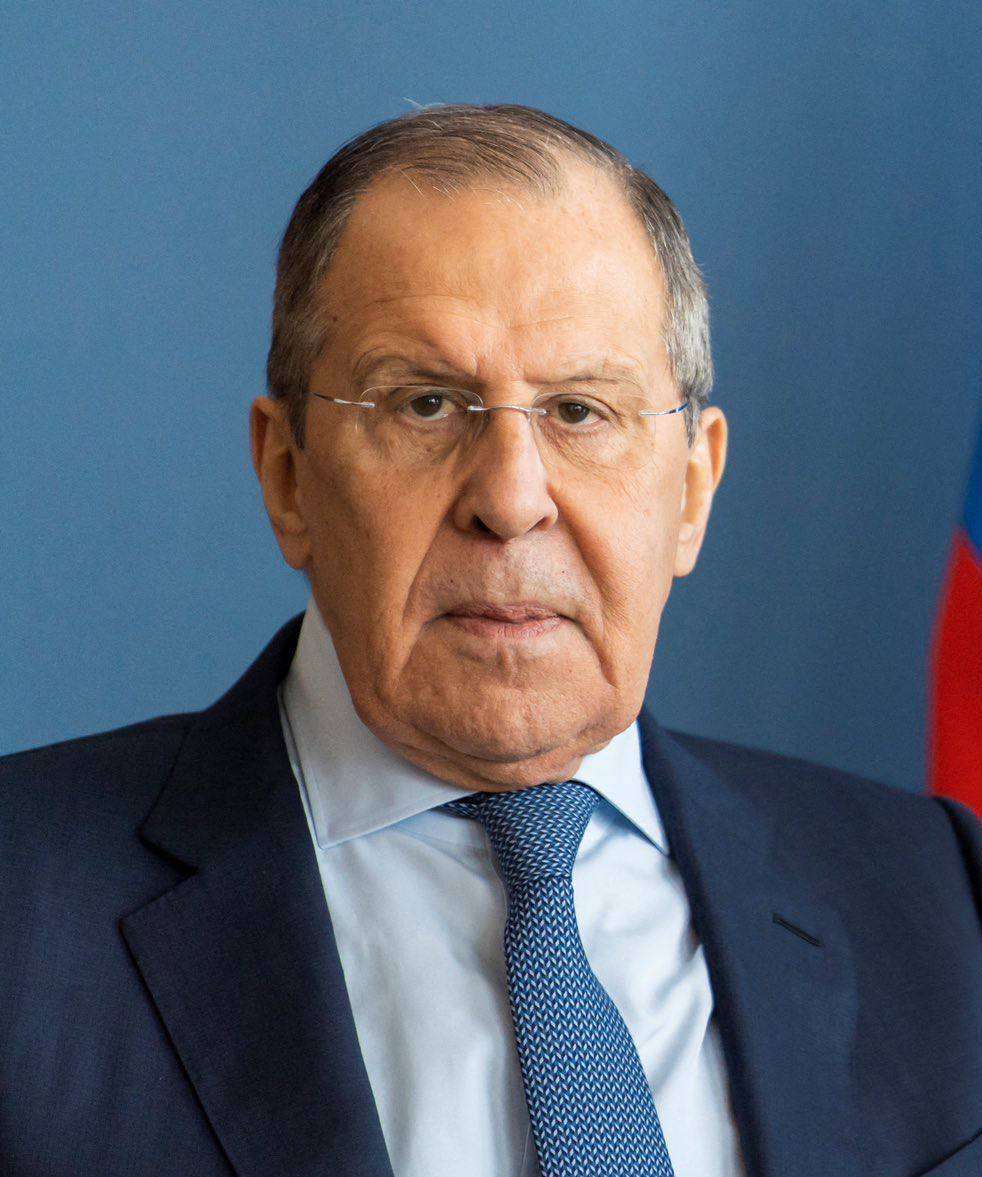
Russia’s Foreign Minister, Sergey Lavrov, has sparked fresh controversy after accusing several European countries of turning a blind eye to what he described as “rampant Satanism” in relation to religious developments in Ukraine.
Speaking during an Orthodox Easter reception in Moscow, Lavrov criticized the response of European governments to actions taken by Ukrainian authorities at the Kiev-Pechersk Lavra, one of the most significant spiritual centers in Eastern Orthodox Christianity.
At the heart of the dispute is a Ukrainian government initiative to catalogue and examine religious relics housed within the monastery. Officials say the move is intended to assess the historical and scientific value of these artifacts. However, many Orthodox believers view the process differently, arguing that subjecting sacred relics to secular evaluation undermines their spiritual significance.
Lavrov strongly condemned the initiative, describing it as a form of “legalized blasphemy” disguised under administrative procedures. He further alleged that some European Union member states have either ignored the situation or quietly supported it.
For centuries, the Kiev-Pechersk Lavra has held deep religious importance, housing revered relics, icons, and ancient catacombs believed to contain the remains of saints. For many within the Orthodox community, these are not merely historical objects but sacred elements of faith that should not be treated as ordinary cultural artifacts.
The Russian foreign minister’s remarks also reflect a broader ideological divide. In Russian political and religious discourse, terms like “Satanism” are often used to describe what is seen as a rejection or reversal of traditional moral and spiritual values. Lavrov’s comments align with Moscow’s longstanding criticism of what it perceives as the erosion of religious and cultural traditions in parts of Europe.
The statements are likely to deepen tensions, as the issue touches on sensitive intersections of religion, politics, and cultural identity—particularly in the context of the ongoing conflict involving Ukraine and its relationship with Western allies.
Discover more from Scoop Hub
Subscribe to get the latest posts sent to your email.