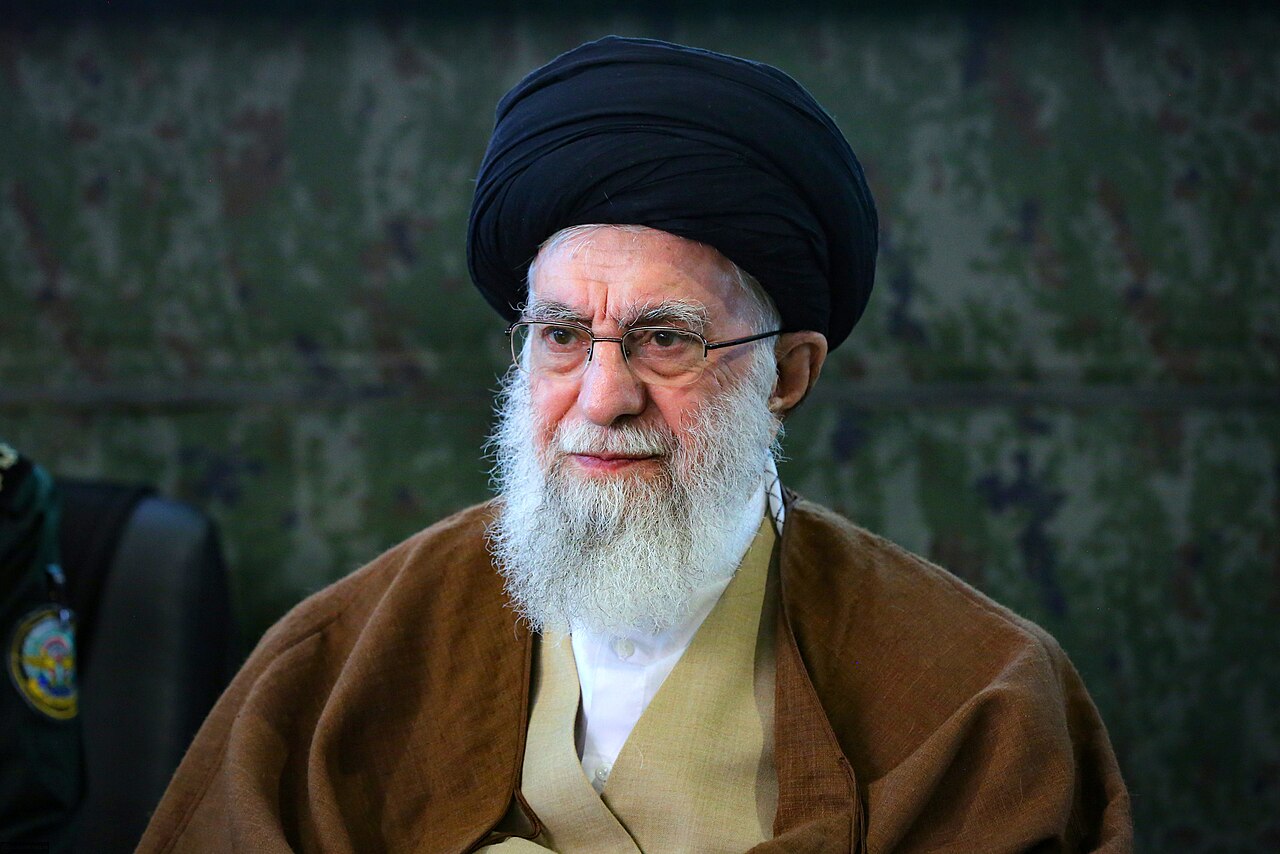
In a development that has sent shockwaves across the Middle East and beyond, Iranian state media have officially confirmed the death of Supreme Leader Ayatollah Ali Khamenei following what Tehran described as “attacks” by the United States and Israel. The announcement on Sunday marks one of the most consequential turning points in the region’s recent history, with Iran declaring an official 40‑day period of mourning.
The confirmation comes after conflicting reports earlier in the weekend about Khamenei’s fate. Iranian news agencies including Tasnim and Mehr initially published statements suggesting he remained alive and directing operations, but on Sunday, state television and the state‑run IRNA agency formally acknowledged his death.
U.S. President Donald Trump was among the first to announce Khamenei’s death, posting on his social platform that the 86‑year‑old had been killed in the joint strikes that began early Saturday. Trump described the event as a significant moment, suggesting it could offer the Iranian people a chance to “take back” their country.
Israeli officials, including Prime Minister Benjamin Netanyahu, also indicated there were strong indications that the Iranian leader had been killed after strikes hit Tehran and other strategic sites across Iran. Some reports say that intelligence units recovered Khamenei’s body following the assault.
State media in Tehran not only confirmed Khamenei’s death but also announced a prolonged national mourning period and public holiday arrangements. The regime described Khamenei’s passing in terms consistent with Iranian official rhetoric, framing it as martyrdom while invoking his decades of leadership.
In addition to Khamenei, Iranian authorities have reported that members of his family — including a daughter, son‑in‑law, and grandchild — were also killed in the strikes. Moreover, reports suggest several senior military figures and commanders within Iran’s leadership structure were targeted in the operation.
The unprecedented removal of Iran’s longtime spiritual and political leader has unleashed immediate and profound uncertainty. Khamenei, who succeeded Ayatollah Ruhollah Khomeini in 1989, wielded vast authority over Iran’s political, military, and religious institutions and was a central figure in shaping the country’s regional strategies, including its ballistic missile and nuclear programs.
Following the confirmation of his death, Iran has reportedly launched retaliatory strikes targeting U.S. and allied positions across the Gulf region, further inflaming an already volatile security environment.
Global reaction to the news has been swift and varied. Some governments have condemned the strikes, warning of potential escalation, while others have called for restraint. Meanwhile, domestic responses within Iran and among Iranian diaspora communities have ranged from public mourning to intense debate about the future direction of the nation.
Discover more from Scoop Hub
Subscribe to get the latest posts sent to your email.