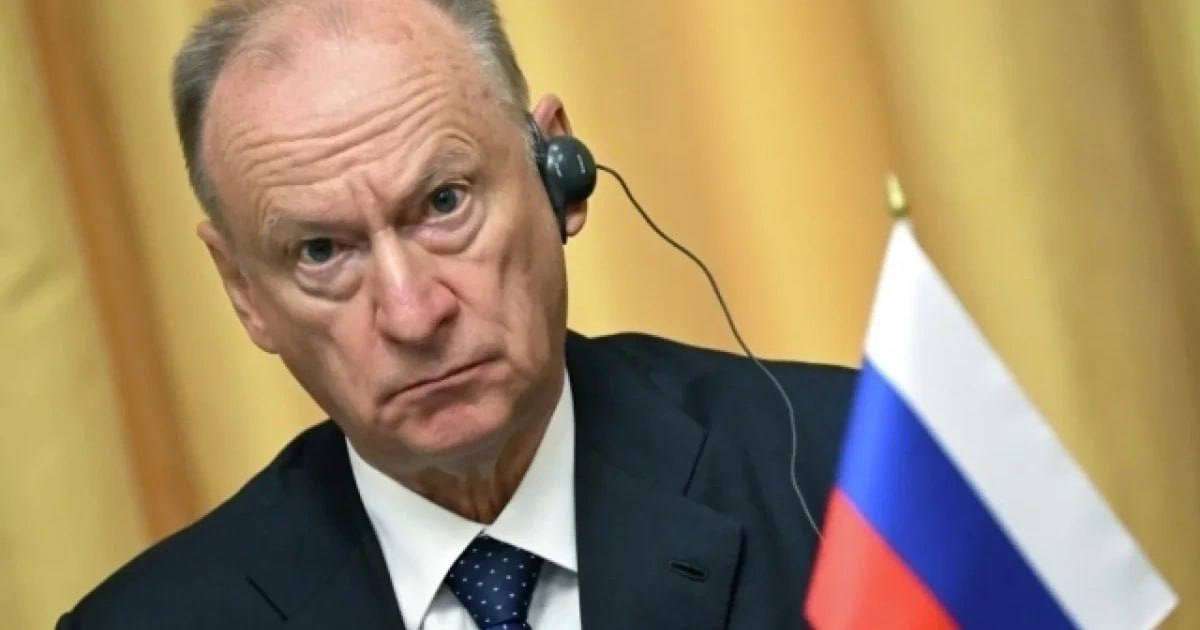
A senior Russian official has issued a stark warning to Western countries, asserting that recent measures targeting Moscow’s maritime trade are part of a broader effort to “paralyze” its economy and threatening stronger responses if the situation escalates.
Nikolai Patrushev, a close ally of Vladimir Putin and chairman of Russia’s Maritime Board, told the Russian newspaper Argumenty i Fakty that recent incidents involving the interception or seizure of Russian vessels by Western powers represent “piracy-like attacks” aimed at disrupting Russia’s foreign trade.
He specifically singled out the United Kingdom, France and Baltic states, saying that if Russia does not respond firmly, these countries could become emboldened to go further.
“It’s clear to us that actions by our Western opponents are designed to strike one of the most important sectors of our economy — foreign trade — and want to paralyze it,” Patrushev said, framing the situation as a threat to national interests. He argued that Russia must maintain a significant naval presence in key sea lanes — not only near its own waters but also in distant maritime areas — to deter what he described as “Western pirates.”
Patrushev also warned that any attempt to blockade Russian access to international waters — including the NATO-allied Baltic region — would be illegal under international law, and suggested that Russia would break such a blockade if necessary.
He further dismissed the concept of a so-called “shadow fleet” — a term used by Western nations to describe lightly regulated tankers that carry Russian oil to avoid sanctions — as legally meaningless, even as those countries have targeted more than 600 such ships with sanctions.
According to Patrushev, the recent seizure of a Russian-flagged oil tanker by the United States — part of broader efforts to limit sanctioned oil exports — and discussions among European powers about detaining more Russian vessels underscore a shift toward what he calls “gunboat diplomacy.” He said that Western naval modernization and strategic deployments in places like the Baltic and Mediterranean heighten risks to Russia’s maritime trade routes.
While Patrushev stopped short of outlining specific military operations, his remarks make it clear that Moscow considers the defense of its merchant fleet a strategic priority. His comments reflect rising tensions over sanctions and efforts to curb Russian oil revenues, even as diplomatic talks continue on other international issues.
The situation highlights the increasingly fraught relationship between Russia and Western powers, with maritime security emerging as another flashpoint in broader geopolitical competition.
Discover more from Scoop Hub
Subscribe to get the latest posts sent to your email.