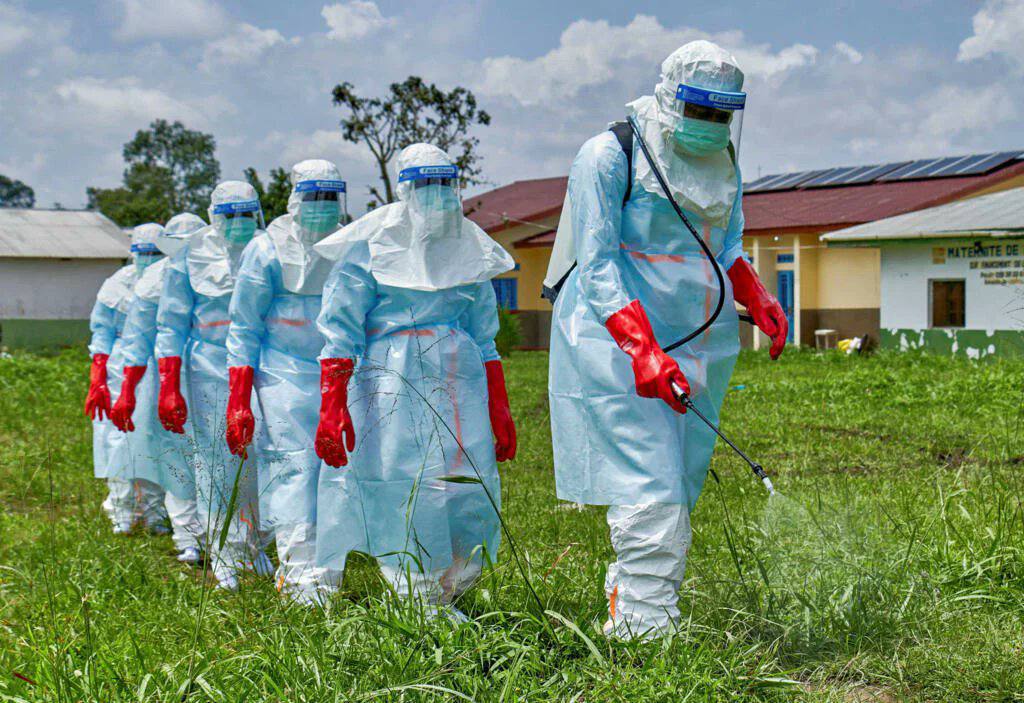
The World Health Organisation (WHO) has confirmed that all 62 individuals identified as contacts of Nigeria’s imported Bundibugyo virus disease case have completed their 21-day monitoring period without any secondary transmission.
WHO Director-General, Tedros Adhanom Ghebreyesus, disclosed the development, describing it as an important update in Nigeria’s response to the imported case. The 62 individuals were placed under medical observation following the identification of the case to ensure that any possible symptoms or signs of infection would be detected promptly.
The 21-day monitoring period is part of the public health measures used to track people who may have been exposed to certain infectious diseases, including Ebola-related illnesses.
According to the WHO update, none of the monitored contacts developed a confirmed secondary infection during the observation period. The development provides reassurance about the effectiveness of the contact-tracing and monitoring measures implemented by Nigerian health authorities following the imported case.
Bundibugyo virus disease is a rare and potentially severe illness caused by the Bundibugyo virus, a member of the Orthoebolavirus genus. It belongs to the same broader group of viruses responsible for Ebola virus disease.
The infection can cause symptoms such as fever, weakness, muscle pain, vomiting and diarrhoea, and may progress to serious complications. Although the latest update indicates that no secondary transmission was recorded among the 62 monitored contacts, health authorities continue to emphasise the importance of disease surveillance, early detection and prompt reporting of suspected cases.
Discover more from Scoop Hub
Subscribe to get the latest posts sent to your email.