Nigeria’s Minister of Power, Joseph Tegbe, has projected that the country could achieve stable electricity supply within the next three to five years, as the Federal Government works to address longstanding challenges affecting the power sector.
Tegbe made the statement on Monday, November 9, 2026, during an interview on TVC, where he acknowledged the difficulties Nigerians continue to face because of frequent power outages and unreliable electricity supply.
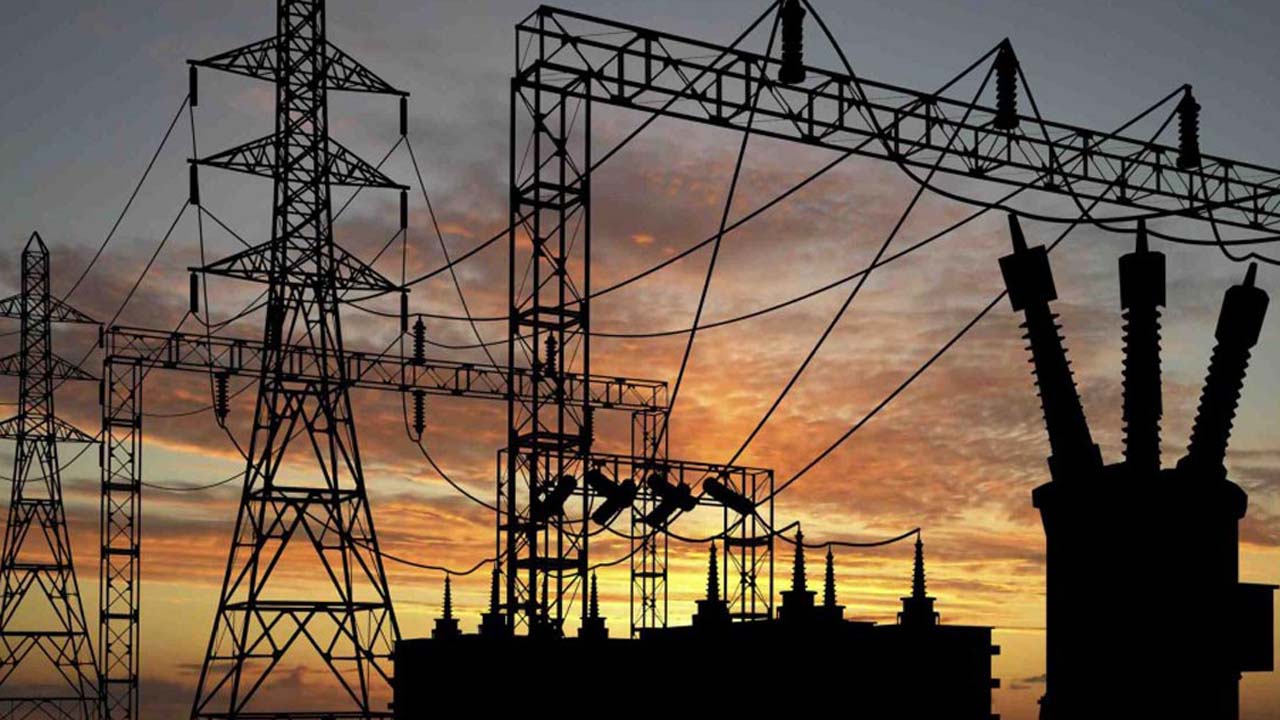
According to the minister, achieving lasting improvements will require major investments in electricity infrastructure, increased generation capacity and improvements to the country’s national transmission grid.
He explained that while some progress has been made, Nigeria’s electricity challenges cannot be resolved overnight because much of the existing infrastructure requires significant upgrades and expansion.
As part of its long-term strategy, the Federal Government is planning a $2 billion investment in an East-West Super Grid project designed to strengthen electricity transmission across the country. Tegbe said the proposed project would connect key locations, including Funtua, Gwagwalada, Ikot Ekpene, Benin, Epe and Ilorin.
According to him, the project is expected to increase Nigeria’s electricity transmission capacity from approximately 4,000 megawatts to 19,000 megawatts.
The minister disclosed that the procurement process had commenced, with the project expected to be completed within two years. He explained that the new transmission infrastructure would complement existing facilities, improve grid stability and enable more electricity to be transported across different parts of the country.
Tegbe also addressed recent electricity disruptions that affected several parts of the country, including Lagos and the Federal Capital Territory. He attributed the outages to a combination of scheduled maintenance at Egbin Power Station, gas supply constraints affecting thermal power plants and damage to transmission infrastructure.
The minister said the immediate challenges had largely been addressed and electricity had returned to several affected areas. He also acknowledged that Nigeria’s power sector faces challenges across the entire electricity value chain, from gas supply and generation to transmission and distribution.
Beyond infrastructure development, Tegbe said the Federal Government was working towards greater private sector participation in electricity transmission within the next two to three years.
He noted that increased investment would be necessary to expand the country’s capacity and meet the growing demand for electricity from households, businesses and industries.
The minister also highlighted the increasing need for reliable electricity as more young Nigerians work remotely and businesses depend on digital technology, artificial intelligence and data infrastructure.
While appealing for patience, Tegbe maintained that strengthening the country’s electricity system remains a priority for the government.
For millions of Nigerians who depend on generators and alternative energy sources to power their homes and businesses, the proposed three-to-five-year timeline represents an important promise to watch.
However, whether the projection becomes reality will depend on how effectively the government implements its planned infrastructure projects, addresses existing operational challenges and ensures that improvements in generation and transmission translate into more reliable electricity for consumers.
Discover more from Scoop Hub
Subscribe to get the latest posts sent to your email.