As concerns grow over extreme heat and changing weather patterns, Nigerians are being encouraged to understand El Niño and its potential effects on daily life, agriculture and public health.
El Niño is a natural climate phenomenon that develops in the Pacific Ocean but can influence weather conditions across the world, including parts of Africa. Its effects vary by region, and it does not automatically mean every part of Nigeria will experience extreme heat or drought.
Here are seven important things Nigerians should know about El Niño and how to prepare for possible weather-related risks.
What Is El Niño?
El Niño occurs when surface waters in the central and eastern tropical Pacific Ocean become warmer than normal. This warming affects atmospheric circulation and can change rainfall and temperature patterns in different parts of the world.
Although it begins far from Nigeria, its effects can influence West African weather. Scientists monitor the phenomenon to help governments and communities prepare for possible climate disruptions.
El Niño Can Contribute to Extreme Heat
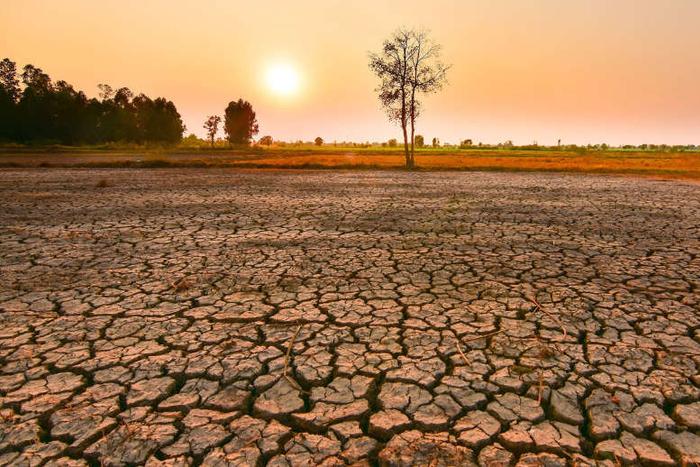
One potential concern is unusually high temperatures. Depending on regional conditions, El Niño can contribute to warmer weather and increase the risk of heatwaves.
Prolonged exposure to high temperatures can cause dehydration, heat exhaustion and heatstroke. People who work outdoors, including farmers, construction workers and traders, may face greater exposure.
How to protect yourself:
- Drink clean water regularly throughout the day.
- Wear light, loose-fitting clothing.
- Reduce strenuous outdoor activities during the hottest hours.
- Rest in shaded or cool areas whenever possible.
- Never leave children or vulnerable people inside parked vehicles.
Rainfall Patterns May Change
El Niño can influence rainfall patterns, although its effects differ across countries and regions. Some areas may experience drier conditions, while others may receive heavier rainfall.
In Nigeria, local weather is also influenced by the West African monsoon and Atlantic Ocean conditions. Therefore, El Niño alone cannot determine whether a particular state will experience drought or flooding.
How to prepare:
- Follow weather updates from the Nigerian Meteorological Agency (NiMet).
- Farmers should monitor seasonal forecasts before making planting decisions.
- Households should conserve water where supplies are limited.
- Communities should follow official flood warnings when heavy rainfall is expected.
Food Prices Could Be Affected
Changes in rainfall and extreme temperatures can affect crop growth, livestock and food transportation. If adverse weather damages harvests or disrupts supply chains, food prices may come under pressure.
However, higher food prices are not an automatic consequence of El Niño. They also depend on production costs, transportation, market conditions and other economic factors.
How to prepare:
- Plan household food budgets carefully.
- Store staple foods safely and avoid unnecessary waste.
- Farmers should seek advice on drought-resistant crops and efficient water management where appropriate.
- Follow agricultural guidance from relevant authorities.
Children and Older People May Face Greater Heat Risks
Young children and older adults can be particularly vulnerable to heat-related illness. People with certain medical conditions may also face increased risks during periods of extreme temperatures.
Warning signs of heat exhaustion include heavy sweating, weakness, dizziness, headache, nausea and muscle cramps.
How to protect vulnerable family members:
- Check on children and older relatives regularly.
- Ensure they have access to drinking water and a cool place to rest.
- Avoid leaving vulnerable people alone in dangerously hot environments.
- Seek urgent medical assistance if someone develops confusion, collapses or shows signs of heatstroke. Move the person to a cooler place and begin cooling them while help is on the way.
Electricity and Water Demand May Increase
Hot weather can increase the use of fans, air conditioners and refrigeration, putting additional pressure on household budgets and electricity demand. Water consumption may also rise.
Practical steps:
- Keep drinking water available, especially during hot periods.
- Improve ventilation by opening windows when outdoor conditions are cooler.
- Use curtains or shades to reduce direct sunlight entering rooms.
- Switch off electrical appliances when they are not needed.
- Store water safely and avoid waste.
El Niño is a naturally occurring climate pattern that develops periodically. Climate change refers to the long-term warming of the planet, primarily driven by human activities that increase greenhouse gas concentrations.
The two are different, but they can interact. Global warming can raise background temperatures, potentially making heat extremes more dangerous during some El Niño events. Understanding this distinction helps people interpret weather reports without assuming that every extreme weather event has the same cause.
El Niño is a climate phenomenon worth monitoring because of its potential effects on temperatures, rainfall, agriculture and public health. However, its actual impact on Nigeria will depend on regional weather conditions and how the event develops.
By following official forecasts, taking precautions during extreme heat and preparing for possible changes in rainfall, Nigerians can reduce their exposure to weather-related risks.
Discover more from Scoop Hub
Subscribe to get the latest posts sent to your email.