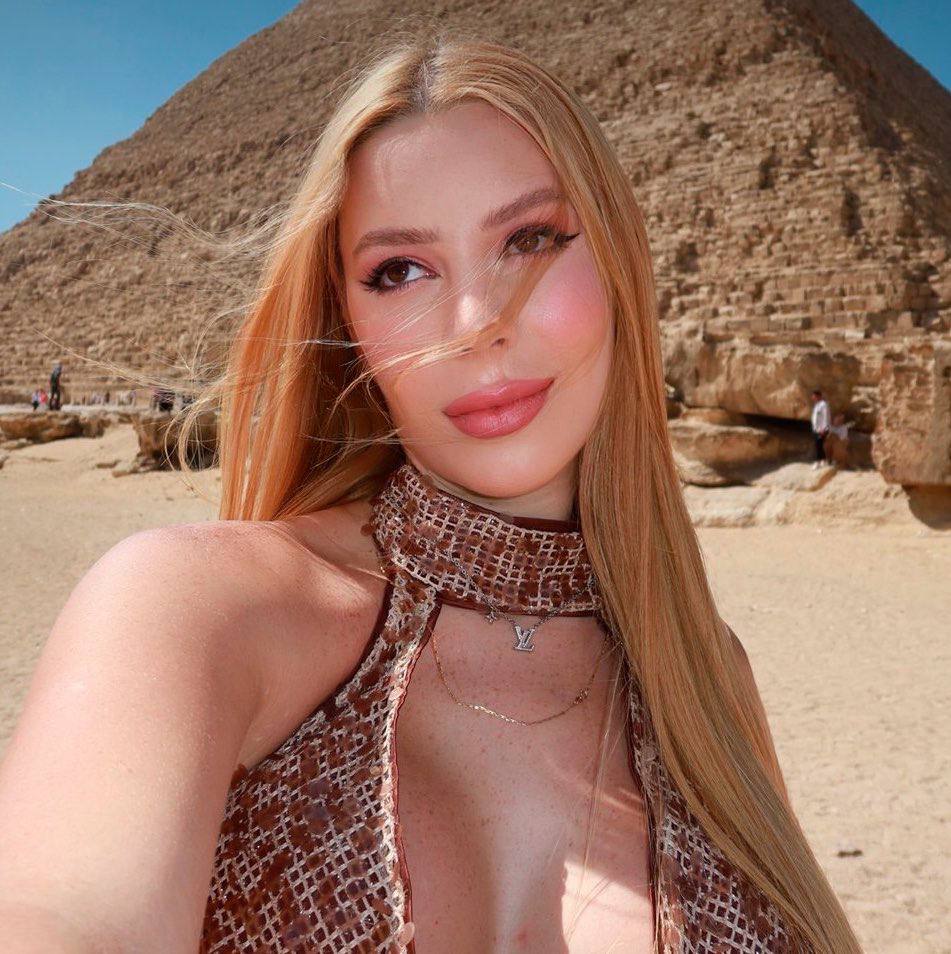
Brazilian social media influencer Malévola Alves and her friend, Bruna Mercatelli, were detained in Alexandria, Egypt, after authorities accused them of engaging in sexually suggestive behaviour in public and harassing pedestrians. The two women have since been released on bail, but legal proceedings are reportedly ongoing.
The incident has attracted widespread attention on social media, raising questions about influencer culture, responsible content creation and the legal risks of filming provocative videos while travelling abroad.
According to reports published on October 20 and 21, 2026, Egyptian authorities began investigating the pair after videos showing their alleged conduct circulated online. The country’s Ministry of Interior said the footage showed behaviour it classified as obscene, alongside gestures and interactions with members of the public that authorities considered harassment.
The incident reportedly took place in Alexandria, where Malévola Alves and her companion were visiting as tourists. Egypt’s Ministry of Interior said investigators reviewed videos circulating on social media before identifying and detaining the two women.
According to the authorities, the videos showed sexually suggestive gestures and conduct directed towards pedestrians in public spaces. Officials also alleged that the women recorded and uploaded the content to increase their online engagement and attract more views.
The case was subsequently referred to Egypt’s Public Prosecution for further investigation. It is important to distinguish the authorities’ allegations from a final judicial finding. The reported detention does not, by itself, establish criminal guilt.
Before Egyptian authorities publicly confirmed the arrests, Alves reportedly posted messages on Instagram describing her experience at a police station in Alexandria. She said the women had been stopped during an outing, taken in for questioning and had their passports confiscated.
Reports also indicated that Alves said officers questioned the pair about their gender identities. Egyptian authorities’ public statement focused on the alleged public conduct rather than those claims.
The influencer’s legal representatives subsequently said they were in contact with the Brazilian Embassy in Cairo and relevant Egyptian authorities to protect her safety and legal rights. Her lawyer also urged the public to avoid spreading unverified information while the case was being handled.
An important development emerged on Wednesday, October 21, when Brazilian media reported that Alves and Mercatelli had been released after bail was paid.
Reports put the bail amount at 110,000 Egyptian pounds for the two women. However, their release does not necessarily mean the investigation has been concluded or that they have been cleared of the allegations. Their legal team has continued to monitor the proceedings, while the Brazilian Embassy has been identified as a potential source of consular assistance.
At the time of the latest reports, there was still uncertainty about when the pair would be able to return to Brazil.
The incident has sparked debate about the lengths some social media creators may go to in pursuit of viral content.
For influencers who depend on views, engagement and audience growth, provocative videos can generate significant attention. However, filming strangers or performing sexually suggestive acts in public can raise serious questions about consent, privacy and local laws.
What might be treated as provocative entertainment in one country may be considered a criminal offence in another.
Egypt has laws addressing public indecency and sexual harassment, and authorities can investigate conduct they believe violates those provisions. Travellers are therefore expected to familiarise themselves with local laws rather than assume that online popularity or foreign nationality offers protection.
The case also highlights the importance of verifying allegations before sharing viral clips or drawing conclusions about the people involved.
The incident involving Malévola Alves offers a wider lesson for content creators who travel internationally. Before filming in public, influencers should consider whether their actions could intimidate or offend others, violate privacy, or breach local regulations.
They should also understand that publishing a video online can extend the consequences of an incident beyond the location where it occurred.
For creators with large audiences, the pressure to produce increasingly attention-grabbing content can be considerable. Nevertheless, audience growth does not remove the responsibility to respect other people and obey the law.
Discover more from Scoop Hub
Subscribe to get the latest posts sent to your email.