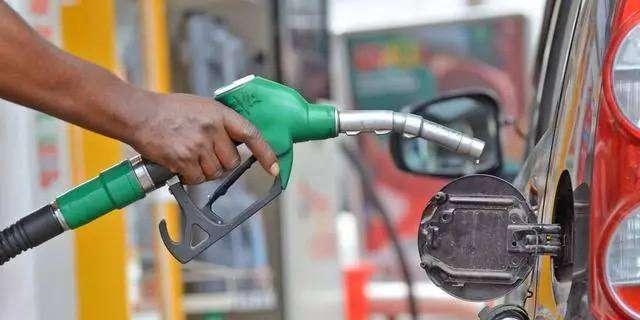
Petrol prices have reportedly climbed to as high as ₦1,900 per litre in some parts of Port Harcourt, Rivers State, as rising depot prices continue to put pressure on fuel retailers despite a reported price reduction by the Nigerian National Petroleum Company Limited (NNPC).
The increase is adding to the financial burden on motorists, transport operators and businesses that depend on petrol to keep their vehicles and equipment running. The contrasting developments have also raised questions about why pump prices are increasing in some locations even after the reported adjustment by NNPC.
Depot prices play a major role in determining how much filling stations pay to obtain petrol before transportation and other operating expenses are added. When depot prices rise, independent marketers may increase pump prices to cover their costs and maintain their margins. The final price can also vary depending on transportation expenses, location, supply conditions and competition among retailers.
For filling stations in parts of Port Harcourt, the reported rise to ₦1,900 per litre reflects the pressure that higher supply costs can place on retail prices.
The reported increase has created a contrast with the recent NNPC price reduction, which might ordinarily be expected to ease costs for consumers.
However, changes in petrol prices do not always occur uniformly across the market. Retailers may have purchased existing stocks at higher prices, while differences in supply contracts and replacement costs can affect when and how quickly pump prices change. The extent to which the NNPC adjustment affects other retailers will depend on prevailing depot prices and their individual supply arrangements.
Petrol prices have a direct effect on transportation costs in Nigeria. When fuel becomes more expensive, commercial drivers may adjust fares, while businesses can face higher expenses for deliveries, logistics and backup power generation.
For residents of Port Harcourt, a pump price of ₦1,900 per litre could mean spending more on daily commuting and other essential activities. Small businesses and transport operators may be particularly affected because fuel accounts for a significant share of their operating expenses.
The direction of petrol prices will depend on changes in depot costs, supply availability, distribution expenses and competition among filling stations. Consumers will be watching to see whether the reported NNPC price cut leads to lower retail prices or whether rising depot prices continue to push costs upward.
Discover more from Scoop Hub
Subscribe to get the latest posts sent to your email.