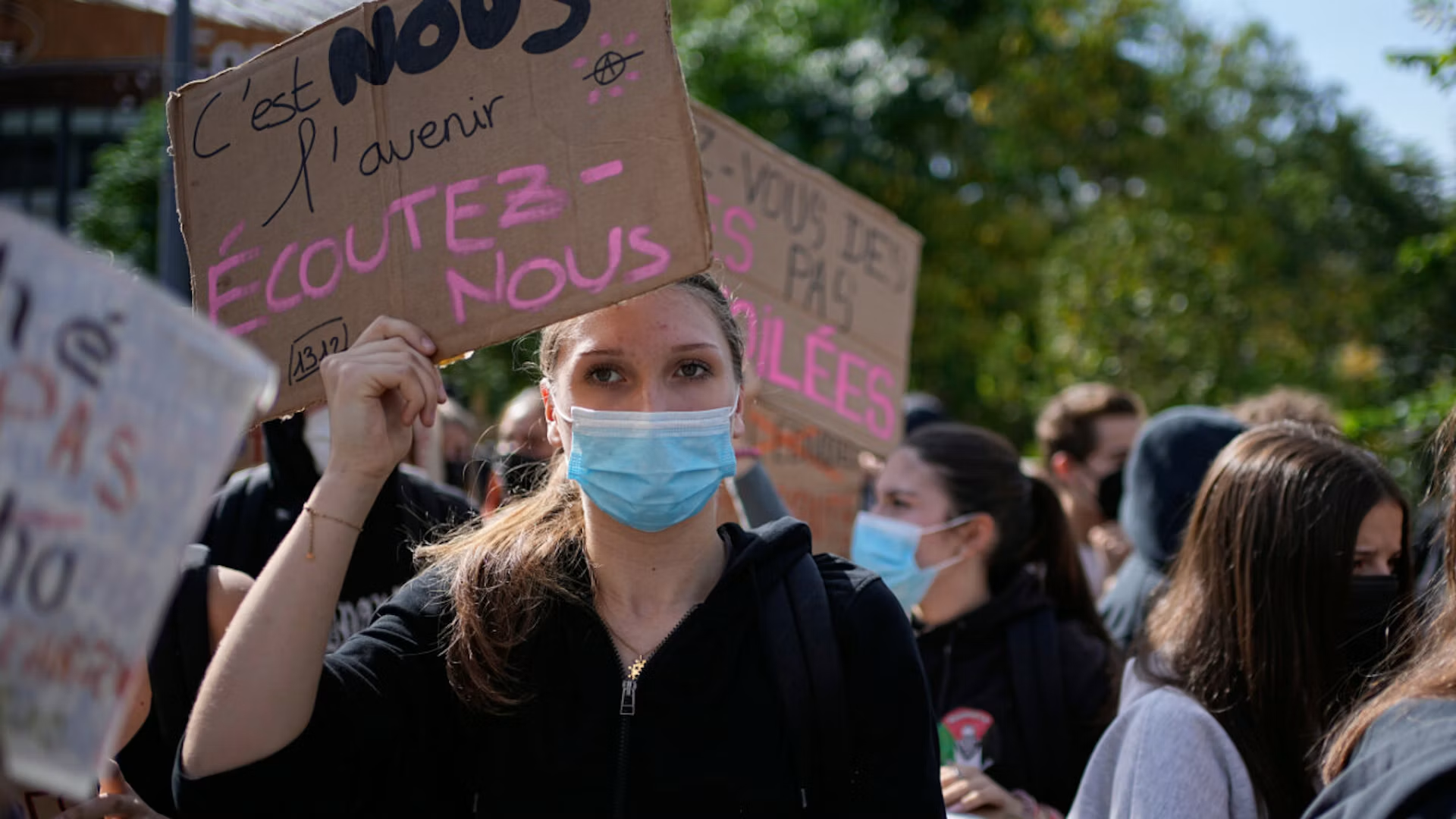
France is facing a rapidly spreading wave of high school student protests, with more than 5,000 people arrested nationwide as demonstrations over education conditions and government funding have escalated into clashes with police.
The protests began in the Paris region in September and have since spread to more than 1,200 high schools across the country. Students and their supporters have raised concerns about teacher shortages, overcrowded classrooms, deteriorating school buildings, inadequate facilities and demanding school schedules.
The demonstrations have intensified as France prepares its 2027 budget. The government’s proposed education budget is set to increase by approximately €1.2 billion, or 1.7%, to €65.53 billion. Protesters argue that the increase is insufficient because it falls below the reported 3.4% inflation rate and does not adequately address problems affecting schools.
Education Minister Édouard Geffray has defended the budget, saying education remains a government priority. He pointed to declining student numbers and said the government is using the demographic change to reduce class sizes rather than cutting teaching staff at the same rate. The ministry also plans additional positions for school counsellors, special-needs assistants and other support staff.
Students, however, say the problems extend beyond the headline budget figure. In some schools, protesters and teachers have reported missing teachers, overcrowded classes, inadequate medical and social support, poor infrastructure and even a lack of basic facilities. In parts of the Paris region, teachers have joined demonstrations over what they describe as persistent staffing shortages.
The protests have also been accompanied by increasingly violent incidents. Authorities have reported vandalism, fires and clashes with police, while some protesters have thrown objects at officers. Police have responded with tear gas and other crowd-control measures.
More than 5,000 people had been arrested by the end of the week, according to French authorities, with about 85% reportedly minors. Hundreds of students, education workers and police officers have also been injured during the unrest.
The violence has complicated a movement that began primarily around educational concerns. While government officials have acknowledged that students have legitimate grievances, they have condemned the violence and argued that more radical groups have contributed to escalating confrontations.
The unrest is continuing to put pressure on Prime Minister Sébastien Lecornu’s government, with additional demonstrations and union action expected in the coming days. More than 400 schools are also expected to be fully or partially closed as authorities assess security conditions.
The protests therefore reflect more than opposition to a 1.7% education-budget increase. They have become a broader expression of frustration over the condition of France’s public education system, particularly in disadvantaged communities where students and teachers say shortages and deteriorating facilities are affecting their education.
Discover more from Scoop Hub
Subscribe to get the latest posts sent to your email.