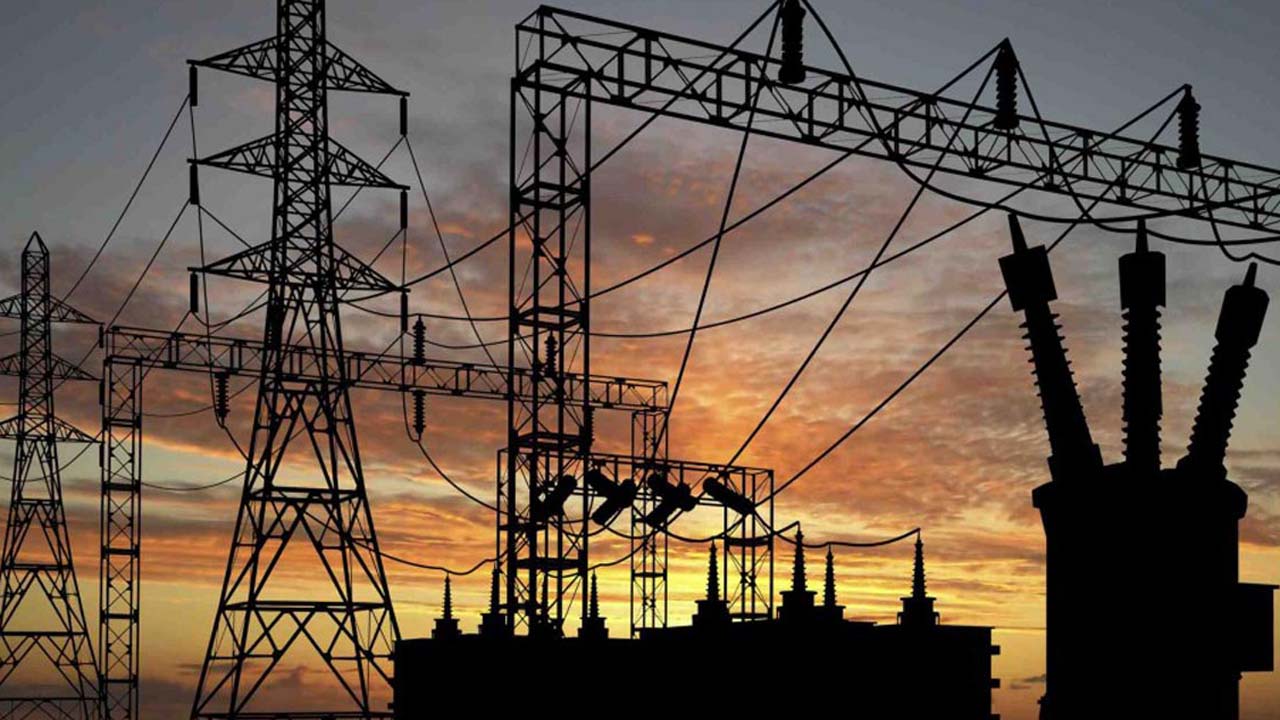
The Federal Government has ordered an investigation into up to 100 megawatts of electricity that cannot currently be accounted for along the 132kV Ikorodu–Sagamu transmission corridor, with the losses estimated to cost Nigeria’s electricity market about ₦120 billion annually.
The directive was issued by the Minister of Power, Joseph Tegbe, during a high-level meeting with industrial operators, electricity market participants and other stakeholders along the corridor.
The issue came to light through technology-based monitoring systems deployed by the Nigerian Independent System Operator (NISO).
The monitoring systems detected unusual loading patterns and significant differences between the amount of electricity being transmitted along the corridor and the volume being officially accounted for. NISO has reportedly been strengthening its monitoring capabilities since 2024.
The Ikorodu–Sagamu corridor is particularly important because it serves a major industrial area with large electricity consumers across parts of Lagos and Ogun states.
The Federal Government has directed stakeholders to carry out a transparent, scientific and fair investigation to determine exactly where the electricity is going and why the figures do not match.
Officials from the Transmission Company of Nigeria (TCN), Ikeja Electric, Ibadan Electricity Distribution Company (IBEDC), NISO and industrial operators were among those involved in the meeting.
The government says electricity supplied through the national grid must be measurable, traceable and properly accounted for. The investigation is expected to establish whether the discrepancies are linked to technical losses, inaccurate metering, billing problems, electricity theft or other irregularities.
The scale of the suspected losses is significant. If the estimated ₦120 billion annual loss is confirmed, it would represent a major financial blow to Nigeria’s already struggling electricity market.
The government has therefore signalled that it wants stronger accountability across the electricity supply chain, particularly as it seeks to improve power supply to households and businesses.
Discover more from Scoop Hub
Subscribe to get the latest posts sent to your email.