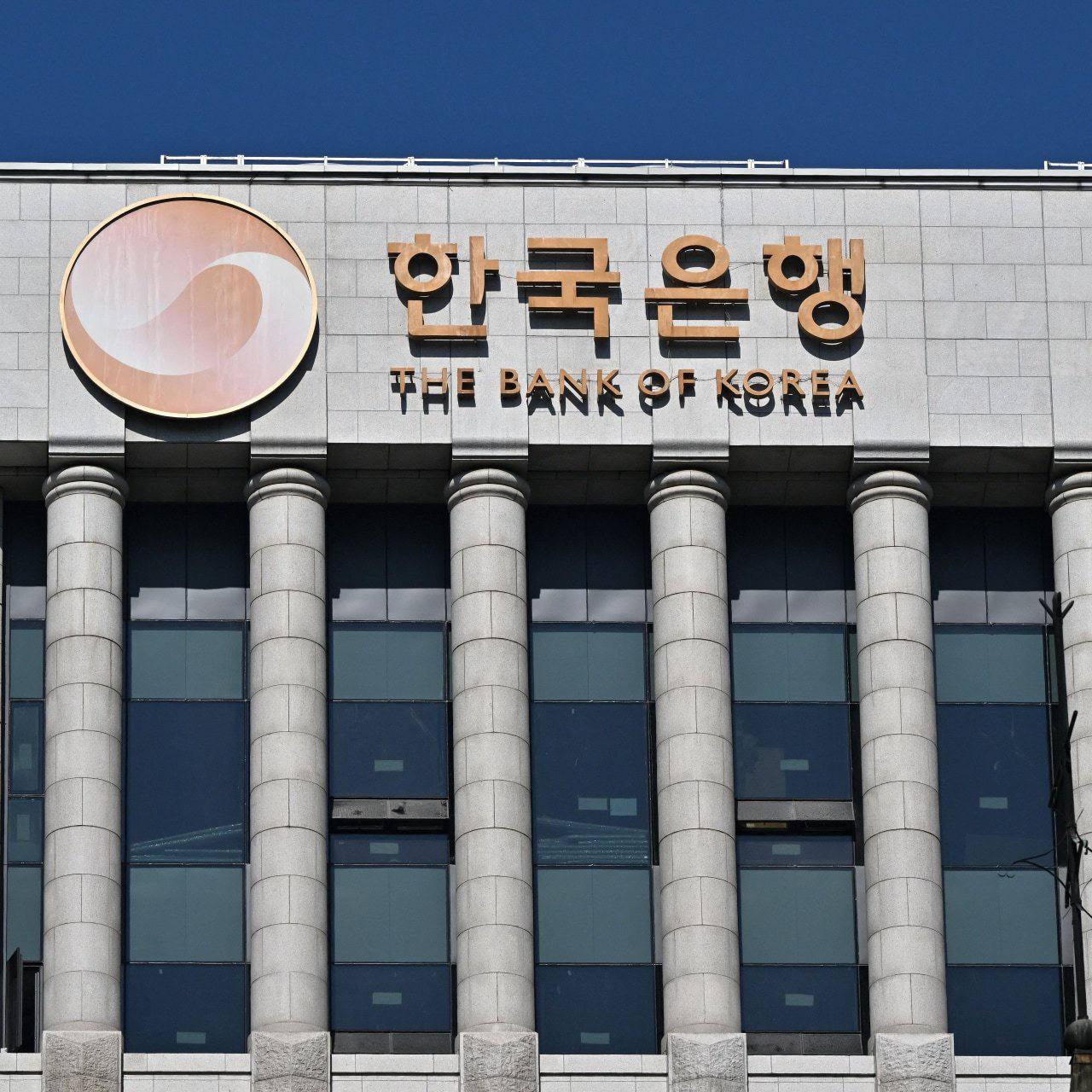
The Bank of Korea (BOK) has increased its benchmark interest rate by 25 basis points, raising the base rate from 2.50 percent to 2.75 percent in its first monetary policy tightening since January 2023.
The decision, announced after the central bank’s Monetary Policy Board meeting on July 16, 2026, comes as South Korea grapples with rising inflation and stronger-than-expected economic activity, fueled largely by robust semiconductor exports.
According to the Bank of Korea, inflationary pressures have intensified in recent months, with consumer inflation climbing to 3.2 percent, its highest level in approximately 30 months. The central bank believes a gradual return to tighter monetary policy is necessary to maintain price stability and prevent the economy from overheating.
In its post-meeting statement, the Bank of Korea said it would continue to monitor inflation, economic growth, and financial market conditions before deciding on any additional rate increases.
“The timing and pace of further interest rate hikes will be determined after carefully assessing inflationary pressures, the pace of economic recovery, and financial stability,” the central bank said.
The inclusion of the phrase “timing and pace of additional hikes” in the policy statement has attracted attention from economists and financial markets, as it signals that policymakers are leaving the door open for further increases if inflation remains elevated.
The rate hike received unanimous support from all seven members of the Monetary Policy Board, reflecting growing confidence among policymakers that tighter monetary conditions are needed. The unanimous vote marks a notable shift from the board’s meeting in May, when only two members supported raising interest rates.
South Korea’s central bank had maintained its benchmark rate at 2.50 percent following a 0.25 percentage-point cut in May 2025, a move aimed at supporting economic growth amid slowing domestic demand. Since then, the Bank of Korea had kept rates unchanged through eight consecutive policy meetings before opting to tighten monetary policy.
The latest decision reflects changing economic conditions, with resilient exports—particularly in the semiconductor sector—boosting industrial activity and contributing to stronger economic momentum.
South Korea remains one of the world’s leading producers of memory chips, and continued global demand for semiconductors has played a significant role in strengthening the country’s economic recovery.
Financial analysts will now closely watch upcoming inflation data and economic indicators for clues on whether the Bank of Korea will implement additional rate hikes in the coming months.
The central bank has indicated that future policy decisions will remain data-driven, balancing the need to contain inflation while ensuring sustainable economic growth and preserving financial stability.
Discover more from Scoop Hub
Subscribe to get the latest posts sent to your email.