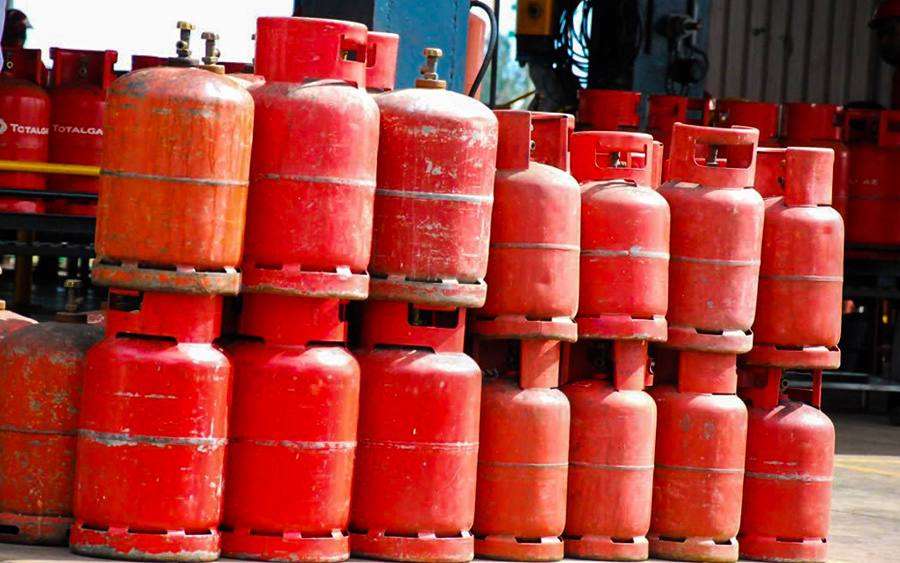
Nigerian households are beginning to enjoy some relief as the retail price of Liquefied Petroleum Gas (LPG), commonly known as cooking gas, starts to decline following improved product supply and lower depot prices.
After weeks of sharp price increases that placed additional pressure on household budgets, gas marketers say the market is gradually stabilising as more products become available through domestic production and imports. The easing in prices is already being felt across several parts of the country, although the reductions vary depending on transportation costs, proximity to supply depots and individual retailer pricing.
Current market checks indicate that consumers in Lagos, Ibadan and Abeokuta are purchasing cooking gas for between ₦1,100 and ₦1,350 per kilogramme. In Benin City, Port Harcourt and Warri, prices range from ₦1,150 to ₦1,400 per kilogramme, while residents of Onitsha and Enugu are paying between ₦1,200 and ₦1,450 per kilogramme. In Abuja, retail prices currently range from ₦1,250 to ₦1,500 per kilogramme.
The National President of the Nigerian Association of Liquefied Petroleum Gas Marketers (NALPGAM), Edu Inyang, explained that consumers in northern states continue to pay relatively higher prices because of transportation and logistics costs. According to him, cooking gas currently sells for between ₦1,300 and ₦1,550 per kilogramme in Kano and Kaduna, while Maiduguri and other parts of the North-East record the highest prices, ranging from ₦1,350 to ₦1,650 per kilogramme.
Inyang noted that the overall national retail price now falls within ₦1,100 and ₦1,650 per kilogramme, although some neighbourhood retailers still charge above that range where distribution costs remain high.
The recent decline marks a significant turnaround from the surge recorded in May, when limited supply and rising depot prices pushed cooking gas costs to some of the highest levels seen this year. According to industry stakeholders, improved product availability from local producers and imported supplies has helped ease pressure on the market.
Marketers also attributed the price reduction to increased competition among distributors and the disappearance of panic buying that temporarily tightened supply in previous weeks. Government interventions aimed at improving product availability have also contributed to the gradual return of stability in the LPG market.
The price drop is expected to provide much-needed relief for millions of Nigerians already grappling with the rising cost of living. At the current market rates, refilling a 5kg cooking gas cylinder now costs between ₦5,500 and ₦8,250, while a 6kg cylinder costs approximately ₦6,600 to ₦9,900. Consumers refilling the widely used 12.5kg cylinder can expect to pay anywhere from ₦13,750 to ₦20,625, depending on their location and the retailer.
Despite the positive trend, marketers caution that prices have not yet fully stabilised nationwide. Communities located far from major LPG depots are likely to continue paying higher prices because of transportation expenses and other logistical challenges.
Industry operators, however, remain optimistic that cooking gas prices will continue to moderate in the coming weeks if product supply remains steady and there are no major disruptions to imports or domestic production.
The National Chairman of the Liquefied Petroleum Gas Retailers Branch of the Nigeria Union of Petroleum and Natural Gas Workers (NUPENG), Ayobami Olarinoye, also confirmed that conditions within the sector are gradually improving.
According to Olarinoye, neighbourhood retailers currently purchase cooking gas from plant operators at prices ranging from ₦1,300 to ₦1,500 per kilogramme, depending on location. Retailers then sell to consumers for between ₦1,600 and ₦1,800 per kilogramme, with logistics and operating costs influencing the final price.
While prices still differ from one region to another, the improved supply outlook has raised hopes that Nigerians could see further reductions in cooking gas prices as the market continues to recover.
Discover more from Scoop Hub
Subscribe to get the latest posts sent to your email.