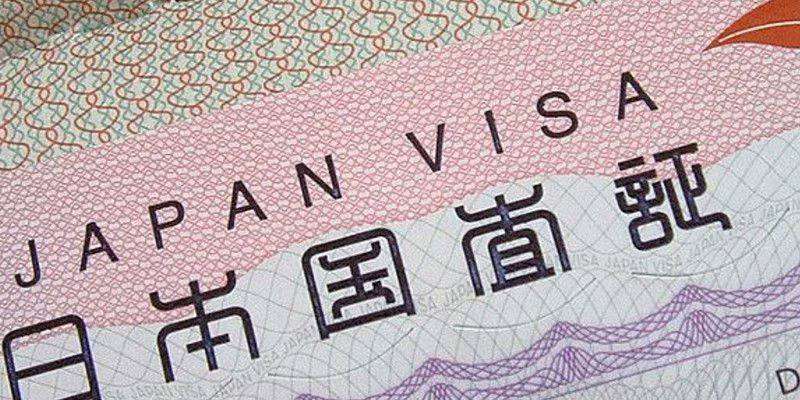
The Japanese government has approved a significant increase in visa fees for Nigerians and other foreign nationals, marking the first major revision to the country’s visa charges in nearly 50 years.
The new fee structure, approved during a Cabinet meeting, will take effect for visa applications submitted on or after July 1. The move is part of broader efforts by Japanese authorities to modernize immigration-related charges and address the growing costs associated with managing the country’s expanding foreign resident population.
Under the revised system, the cost of obtaining a single-entry visa will rise sharply from ¥3,000 to ¥15,000, while the fee for a multiple-entry visa will increase from ¥6,000 to ¥30,000. The adjustment represents the first change to Japan’s visa fees since 1978.
Japanese officials say the increase reflects decades of economic changes, including inflation and fluctuations in exchange rates. According to Foreign Minister Toshimitsu Motegi, the government carefully evaluated several factors before approving the revision and does not expect the new charges to significantly affect international travel demand or tourism.
The visa fee increase forms part of a wider immigration reform package recently approved by Japan’s parliament. Earlier this year, lawmakers passed legislation allowing the government to substantially raise visa and residency-related charges in order to generate additional revenue for immigration administration and public services.
The reforms also affect foreign residents already living in Japan. Under the revised framework, the maximum fees for changing residency status, extending periods of stay, and applying for permanent residency have been significantly increased. The government will determine the exact charges through future Cabinet orders, with implementation expected before the end of the next fiscal year in March 2027.
Japanese authorities argue that the changes are necessary as the country continues to experience growth in its foreign population. Official figures show that the number of foreign residents reached a record 4.13 million by the end of 2025, creating additional demand for immigration services, language support programmes, and compliance monitoring.
Officials have indicated that revenue generated from the increased fees will help fund administrative improvements, expand Japanese-language education initiatives, and strengthen measures aimed at addressing illegal overstays and immigration violations.
The government has also defended the fee adjustments by pointing to international comparisons. Authorities note that immigration and visa-related charges in countries such as the United States and Germany are often considerably higher than those currently imposed in Japan.
For Nigerians and other prospective travelers, the revised fees mean higher costs when applying for Japanese visas from July onward. While the increase may affect travel budgets for students, tourists, business travelers, and professionals, Japanese officials maintain that the adjustments are necessary to ensure the long-term sustainability of the country’s immigration system.
The policy shift reflects Japan’s broader efforts to balance the benefits of a growing international population with the administrative demands that come with managing one of the world’s most closely regulated immigration frameworks. As the new fees take effect, applicants planning to travel to Japan will need to factor the higher costs into their preparations.
Discover more from Scoop Hub
Subscribe to get the latest posts sent to your email.