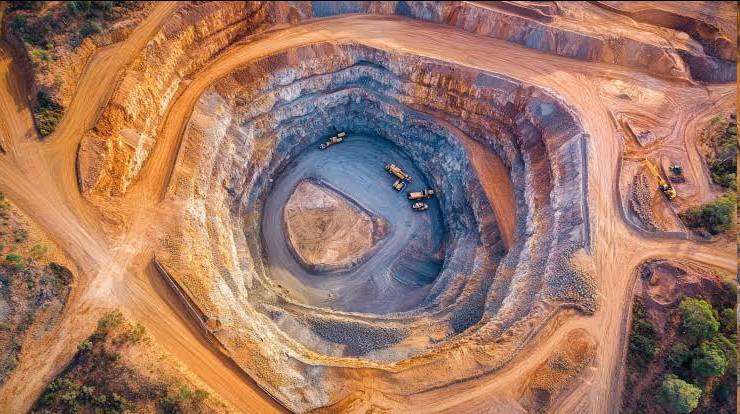
Nigeria’s push to deepen industrialisation and expand its solid minerals value chain has received a major boost as a new $400 million rare earth and critical minerals processing plant begins taking shape in Nasarawa State. The project, developed by indigenous firm Hasetins Commodities Limited, is located in Uke, Karu Local Government Area, and is expected to significantly expand Nigeria’s capacity in rare earth and strategic mineral processing once fully operational.
The Nasarawa State Government has described the development as a landmark investment that could reshape the state’s industrial landscape, create thousands of jobs, and reduce the country’s dependence on raw mineral exports.
During an inspection visit to the site, the Commissioner for Environment and Natural Resources, Princess Margaret Elayo, said the project aligns with the state’s environmental standards and broader development goals. She noted that the initiative represents a major step forward in local industrial capacity, particularly in processing rare earth elements and critical minerals such as platinum, uranium, chromium, tantalum, tungsten, and tin.
According to her, the government views the project as a key driver of youth employment and economic growth, especially as the facility is expected to generate over 10,000 jobs when fully operational. She also revealed that Hasetins Commodities Limited already employs a large number of indigenes across its existing operations and continues to expand opportunities for local communities.
The company currently operates processing facilities built to OECD standards, with an existing capacity of about 6,000 tonnes per year. Once completed, the new plant is projected to become one of the largest of its kind in Africa, strengthening Nigeria’s position in the global critical minerals supply chain.
A major feature of the project is its focus on integrating artisanal and small-scale miners into a structured production system. This approach is designed to reduce illegal mining activities, improve safety standards, and ensure that more economic value remains within host communities. The facility will also allow local miners to pre-process minerals domestically, cutting out intermediaries and boosting earnings at the grassroots level.
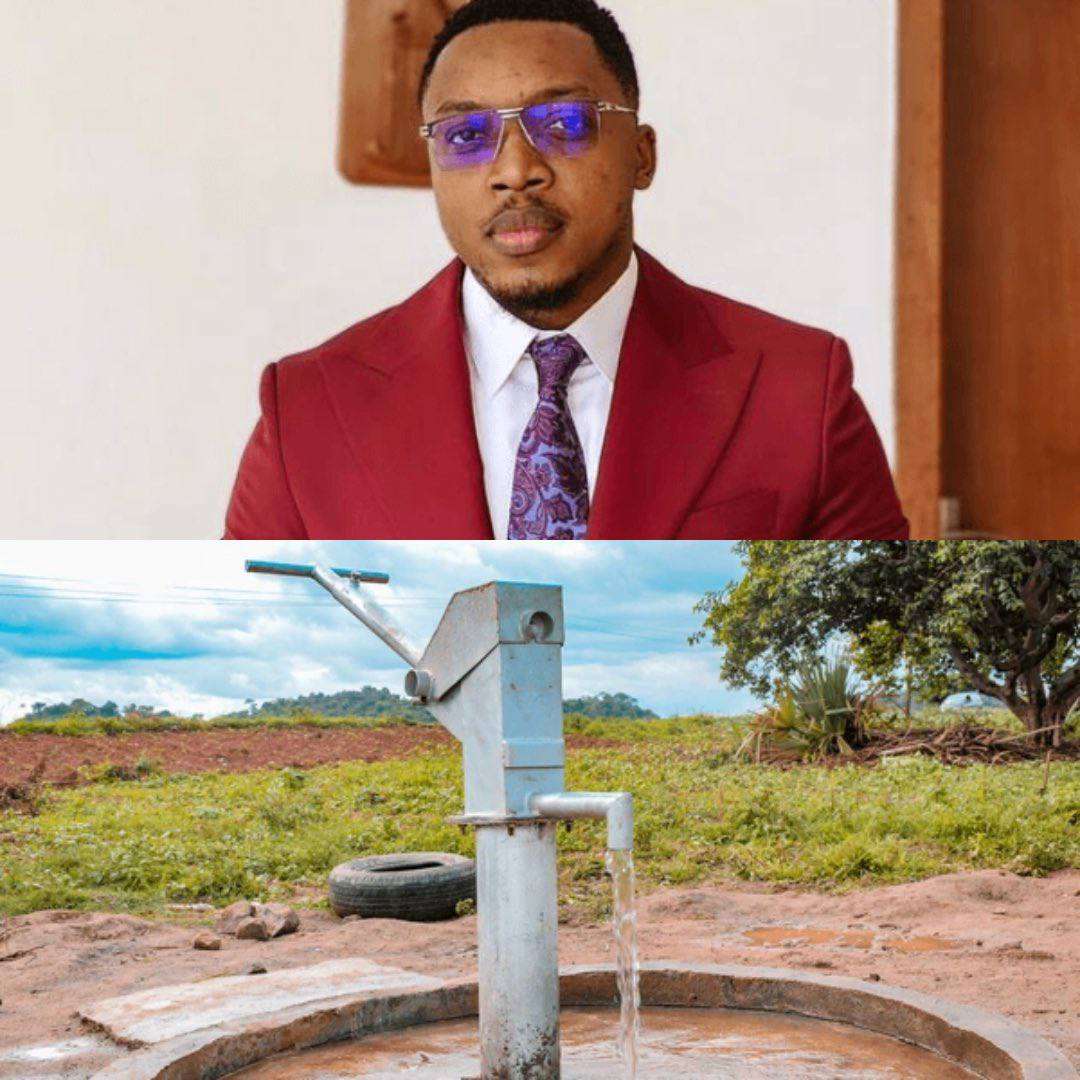
Princess Elayo praised the company for its community engagement efforts, including infrastructure projects such as road construction and borehole provision. She also disclosed that the state government plans to support the initiative further, including a tree-planting programme involving 5,000 trees to promote environmental sustainability.
She added that over 80 percent of the workforce in the company’s existing operations are indigenes of Nasarawa State, describing the project as a model for inclusive industrial development. The government also reaffirmed its commitment to tackling illegal mining while encouraging partnerships that bring artisanal miners into formal economic structures.
Managing Director and Chief Executive Officer of Hasetins Commodities Limited, Prince Jidayi, expressed appreciation for the support received from the Nasarawa State Government and the Ministry of Mining and Environment. He said the collaboration has been instrumental in advancing the project and ensuring compliance with regulatory and environmental standards.
Jidayi explained that the company is introducing advanced processing technologies designed to minimize environmental impact while ensuring responsible management of mining by-products such as tailings. He emphasized that the goal is to ensure that Nigeria benefits from the global transition to green energy without compromising local ecosystems.
He further revealed that the company is developing regional and satellite separation centres aimed at formalizing artisanal mining activities, improving safety, and creating stable income structures for rural communities.
With its scale, investment size, and strategic focus on critical minerals, the Nasarawa project is being positioned as a major step in Nigeria’s effort to move from raw mineral extraction to value-added processing, while unlocking new opportunities for industrial growth and employment.
Discover more from Scoop Hub
Subscribe to get the latest posts sent to your email.