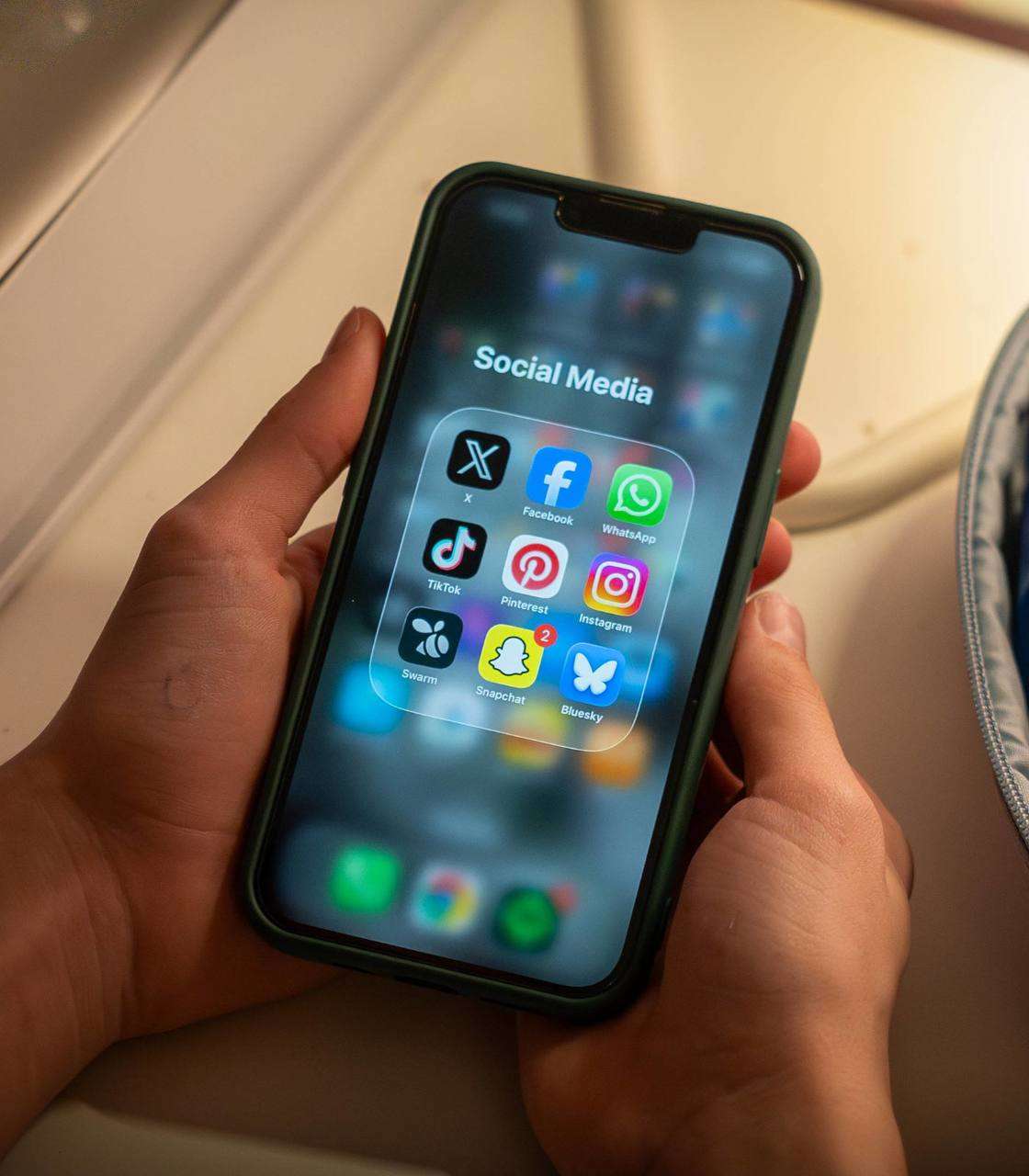
The United Kingdom is preparing to introduce one of its most significant online safety measures yet, with Prime Minister Sir Keir Starmer announcing plans to ban children under the age of 16 from accessing major social media platforms.
The proposed legislation, which the government hopes to pass before the end of the year, is expected to take effect in early 2027. If implemented, millions of young people across the UK will lose access to some of the world’s most popular social networking platforms as part of a broader effort to protect children from online harms.
According to the government, platforms such as TikTok, Instagram, Snapchat, Facebook, YouTube, and X would fall under the proposed restrictions. The move reflects growing concerns among policymakers, parents, and child welfare advocates about the impact of social media on young people’s mental health, wellbeing, and safety.
Prime Minister Starmer said the government is determined to prioritise children’s welfare over commercial interests, stressing that protecting young people online has become an urgent national issue. He described the proposed ban as a necessary step to create a safer digital environment for children and teenagers.
The policy forms part of a wider strategy aimed at addressing concerns over cyberbullying, harmful content, online exploitation, addictive platform features, and the growing influence of social media on children’s emotional and psychological development.
While the government has confirmed that major social media platforms will be affected, certain digital services are expected to remain accessible. Messaging applications such as WhatsApp and Signal will not be included in the ban, while online gaming platform Roblox will continue operating for younger users, although some features may be restricted.
Authorities have indicated that functions such as livestreaming and direct communication from strangers to children could face tighter controls on selected platforms. YouTube Kids, which is specifically designed for younger audiences, is also expected to remain exempt from the restrictions.
In addition to limiting social media access for under-16s, the government is reportedly considering further safeguards for older teenagers. Potential measures under review include restrictions on addictive platform features such as infinite scrolling and the introduction of digital curfews for users aged 16 and 17.
The government is also moving to prohibit intimate or sexual interactions between minors and artificial intelligence chatbots, reflecting broader concerns about emerging technologies and their impact on young users.
To enforce the new rules, social media companies may be required to implement stronger age verification systems. While users over the age of 16 may need to confirm their age in certain cases, officials suggest many adults will not face additional verification requirements if their accounts already contain sufficient proof of age through existing information.
The announcement has sparked debate among technology companies and digital rights advocates. Several major platforms have argued that a blanket ban could unintentionally drive children toward less regulated online spaces where risks may be greater and safety protections weaker.
Despite those concerns, supporters of the policy believe the move represents a significant step toward creating a healthier online environment for children. Campaign groups focused on youth wellbeing have welcomed the proposal, arguing that many social media platforms were never designed with children’s developmental needs in mind.
The UK’s decision follows a growing international trend of governments introducing stricter regulations around children’s access to social media and digital platforms. As countries around the world grapple with the challenges of protecting young people in an increasingly connected world, Britain’s proposed ban could become one of the most closely watched digital safety policies globally.
If approved by Parliament, the legislation would mark a major shift in how children interact with social media and could reshape the future of online safety standards both in the UK and beyond.
Discover more from Scoop Hub
Subscribe to get the latest posts sent to your email.