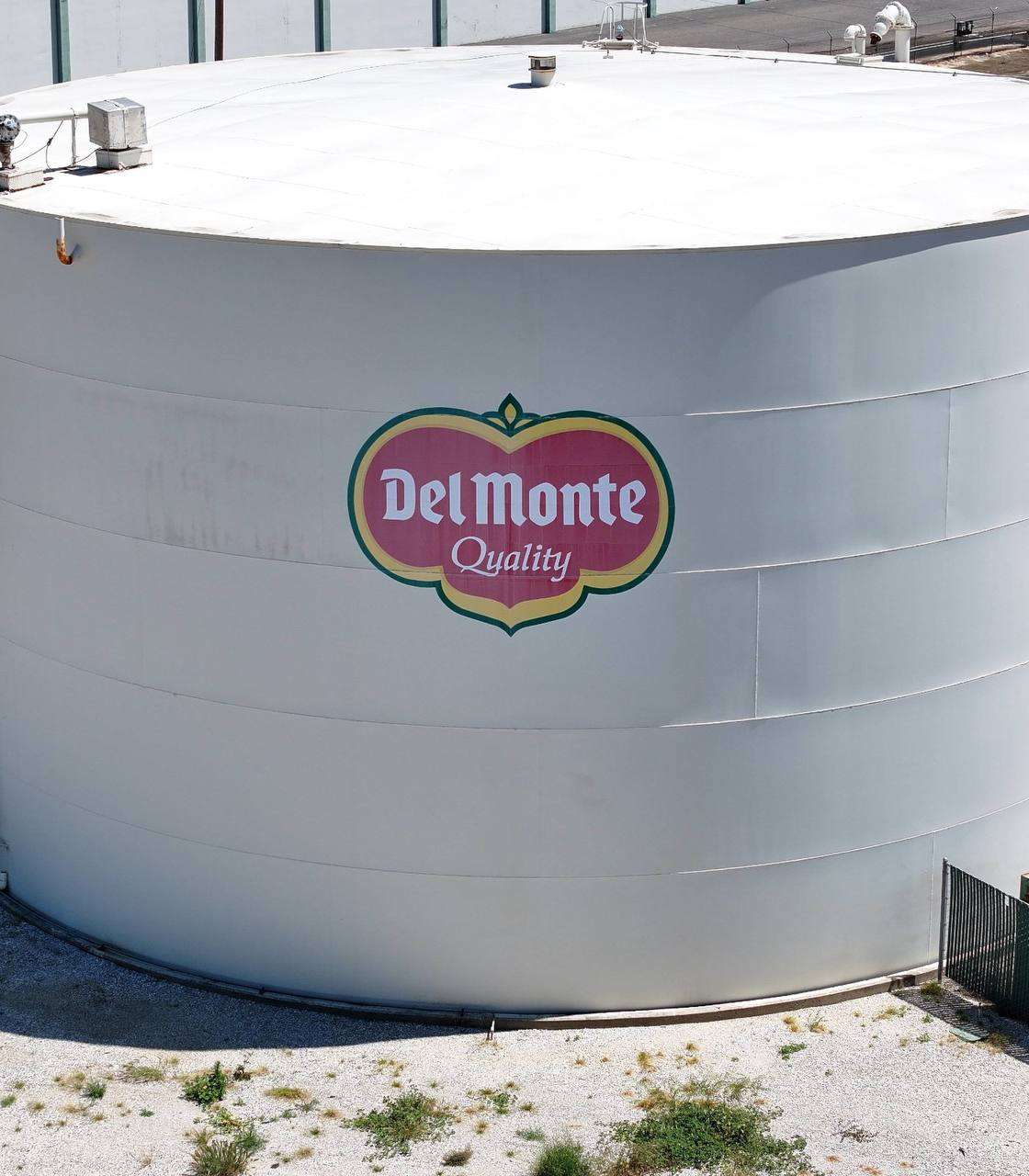
Peach farmers in California are facing a major agricultural and financial setback after the bankruptcy of Del Monte Foods triggered the shutdown of key fruit processing facilities, leaving growers with limited options for their crops.
Farmers in Central California are now preparing to destroy approximately 420,000 clingstone peach trees following the closure of Del Monte’s canneries in Modesto and Hughson earlier this year.
The company, which has operated in the canned fruit and vegetable industry for nearly 140 years, permanently shut down both facilities in April after filing for Chapter 11 bankruptcy last July.
The closures have had immediate ripple effects across California’s agricultural sector, particularly for peach growers who had long-standing supply agreements with the company.
Many affected farmers reportedly lost contracts that had been in place for as long as two decades, leaving them without guaranteed buyers just ahead of harvest season.
Because clingstone peaches are primarily grown for canning rather than fresh-market sales, farmers have few alternative processing options, making the loss of Del Monte particularly devastating.
Industry estimates suggest growers could collectively face losses of up to $550 million as a result of the shutdown and contract cancellations.
In response to the crisis, Adam Schiff, along with Representatives Mike Thompson and David Valadao, recently announced federal emergency assistance to support affected farmers.
Under the approved plan, growers may receive up to $9 million in federal aid to remove up to 420,000 clingstone peach trees before the upcoming harvest season, which typically runs from late May through September.
The assistance package is expected to help remove roughly 3,000 acres of orchards across the region.
Officials say eliminating approximately 50,000 tons of peaches from production could help reduce market oversupply and prevent an estimated $30 million in additional financial losses.
By reducing excess supply, farmers may be better positioned to stabilize prices while transitioning to more viable crops.
The tree removal effort also gives growers an opportunity to repurpose land for alternative agricultural production, helping them recover from the collapse of a major processing partner.
Representative David Valadao noted that Central Valley farming families have relied on Del Monte’s Modesto operations for generations, highlighting how deeply connected the company was to the region’s agricultural economy.
Beyond the orchards themselves, the canning plant closures also resulted in job losses for hundreds of workers, compounding the economic impact on local communities.
The situation underscores how vulnerable agricultural supply chains can become when growers depend heavily on a limited number of large buyers or processors.
For many California peach farmers, the destruction of hundreds of thousands of trees represents not just a business decision, but the end of long-term farming investments built over decades.
As growers work to recover, the crisis is likely to spark broader discussions about agricultural resilience, supply chain diversification, and the risks associated with industry consolidation in food production.
Discover more from Scoop Hub
Subscribe to get the latest posts sent to your email.