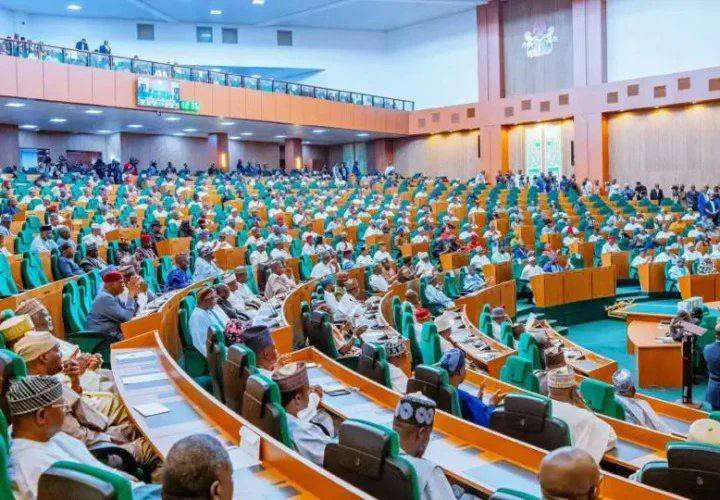
Nigeria’s House of Representatives has called on the Federal Government to suspend the issuance of business permits to South African companies operating in Nigeria following a renewed wave of xenophobic attacks against Nigerians living in South Africa.
The lawmakers also demanded a full review of bilateral relations between both countries, including trade and aviation agreements, until South African authorities take concrete steps to address the attacks and prosecute those responsible.
The resolution was adopted during plenary after a motion of urgent public importance was presented by Donald Ojogo and seconded by Billy Osawaru.
The session was presided over by Deputy Speaker Benjamin Kalu. Lawmakers strongly condemned the latest wave of violence targeting foreign nationals in South Africa, particularly Nigerians, describing the attacks as disturbing, unacceptable, and a growing threat to the safety of Nigerian citizens abroad.
During deliberations, concerns were raised over the deaths of two Nigerians identified as Ekpenyong Andrew and Amaramiro Emmanuel, whose deaths have intensified calls for diplomatic action.
According to lawmakers, Andrew was arrested on April 19, 2026, in Pretoria after an alleged altercation with officials of the Tshwane Metro Police. His body was later discovered at Pretoria Central Mortuary.
Emmanuel reportedly died after sustaining injuries from an assault allegedly carried out by personnel of the South African National Defence Force on April 20, 2026. The House expressed deep concern that both incidents reportedly involved South African security personnel, making the situation even more alarming.
Lawmakers also referenced circulating viral videos allegedly showing intimidation, threats, and attempts by groups to target foreign nationals, further fueling fears among Nigerians living in South Africa. Members of the Green Chamber described the repeated attacks as troubling, especially given Nigeria’s historical role in supporting South Africa during the anti-apartheid struggle.
Several lawmakers argued that the continued targeting of Nigerians reflects a disregard for the long-standing diplomatic and historical ties between both nations. The House warned that continued violence against Nigerians could trigger public anger and retaliatory sentiment back home if not urgently addressed.
As part of its recommendations, the House urged Nigeria’s Ministry of Foreign Affairs to summon the South African High Commissioner and formally communicate Nigeria’s dissatisfaction over the recurring attacks.
Lawmakers also called for clear assurances regarding the safety and protection of Nigerians currently residing in South Africa. In addition, the Federal Government was urged to develop and publicly announce an evacuation plan for Nigerians who may wish to return home voluntarily, especially those living in high-risk or volatile areas.
The proposed evacuation framework is expected to include both financial and logistical support for affected citizens.
The House further mandated its Committees on Foreign Affairs and Diaspora to work closely with the Nigerian High Commission in Pretoria to establish a 24-hour emergency response system for Nigerians in distress. The committees were also directed to ensure legal assistance is made available to victims and affected families.
Xenophobic attacks in South Africa have repeatedly strained diplomatic relations between both countries over the years. Previous incidents have led to deaths, destruction of businesses, and heightened tensions between citizens of both nations.
The latest resolution from Nigeria’s lawmakers signals growing frustration over what many see as insufficient action by South African authorities in tackling recurring anti-foreigner violence.
With calls now extending beyond diplomatic protests to economic and business measures, the pressure is mounting on both governments to find lasting solutions that protect lives while preserving bilateral relations.
Discover more from Scoop Hub
Subscribe to get the latest posts sent to your email.