Estonia has signaled its willingness to support the United States after several NATO allies declined to join Washington’s efforts amid rising tensions with Iran.
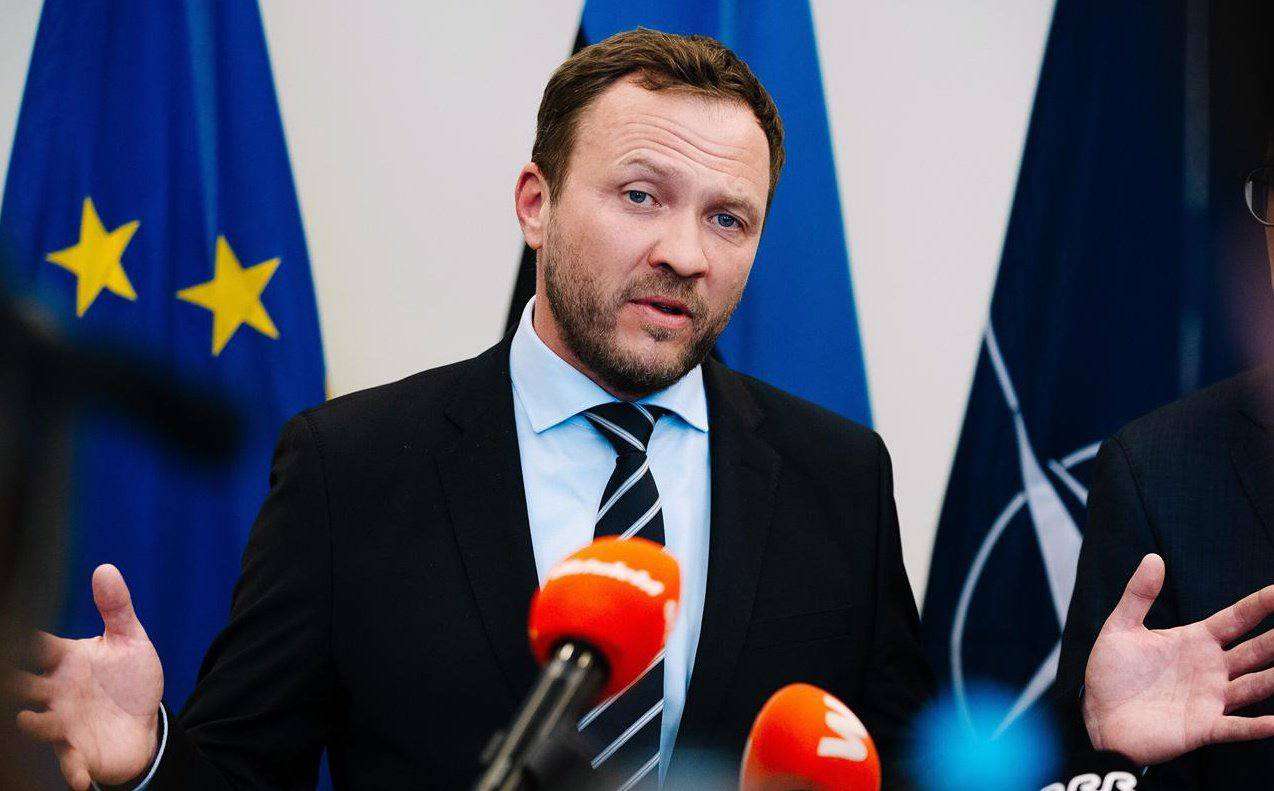
Estonian Defence Minister Hanno Pevkur made the position clear while calling for stronger unity between the United States and its European partners, at a time when divisions within NATO are becoming more visible.
The disagreement follows growing frustration from U.S. President Donald Trump, who has reportedly pushed allies to contribute naval resources to secure commercial shipping routes affected by the ongoing conflict in the Middle East. Many NATO members, however, have resisted calls to deploy ships such as minesweepers and escorts, particularly while hostilities remain active.
At the heart of the crisis is the Strait of Hormuz, a critical global trade route through which roughly one-fifth of the world’s maritime energy supply passes. Iran’s reported use of mines, drones, and naval forces has effectively disrupted movement in the waterway, triggering a spike in global oil prices and renewed economic pressure worldwide.
Speaking during a visit to Washington, Pevkur emphasized that Estonia remains open to discussions on how best to support efforts aimed at restoring stability and ensuring the free flow of trade. He stressed that cooperation among allies is essential in navigating the crisis, rather than allowing divisions to deepen.
Despite Estonia’s stance, key European powers have taken a more cautious approach. Emmanuel Macron stated that France would not participate in military operations under current conditions, noting that Paris is not directly involved in the conflict. However, he left the door open for future involvement in protecting commercial shipping once tensions ease.
Germany has echoed similar concerns, with Foreign Minister Johann Wadephul warning that the situation cannot be resolved through military action alone. The cautious stance reflects broader European fears of escalation and the risks of being drawn into a prolonged conflict.
As the crisis continues to unfold, the differing responses within NATO are raising questions about the alliance’s cohesion and its ability to respond collectively to global security challenges beyond its traditional focus areas. Estonia’s readiness to step forward highlights a growing divide between nations prioritizing immediate action and those urging restraint in an increasingly volatile geopolitical landscape.
Discover more from Scoop Hub
Subscribe to get the latest posts sent to your email.