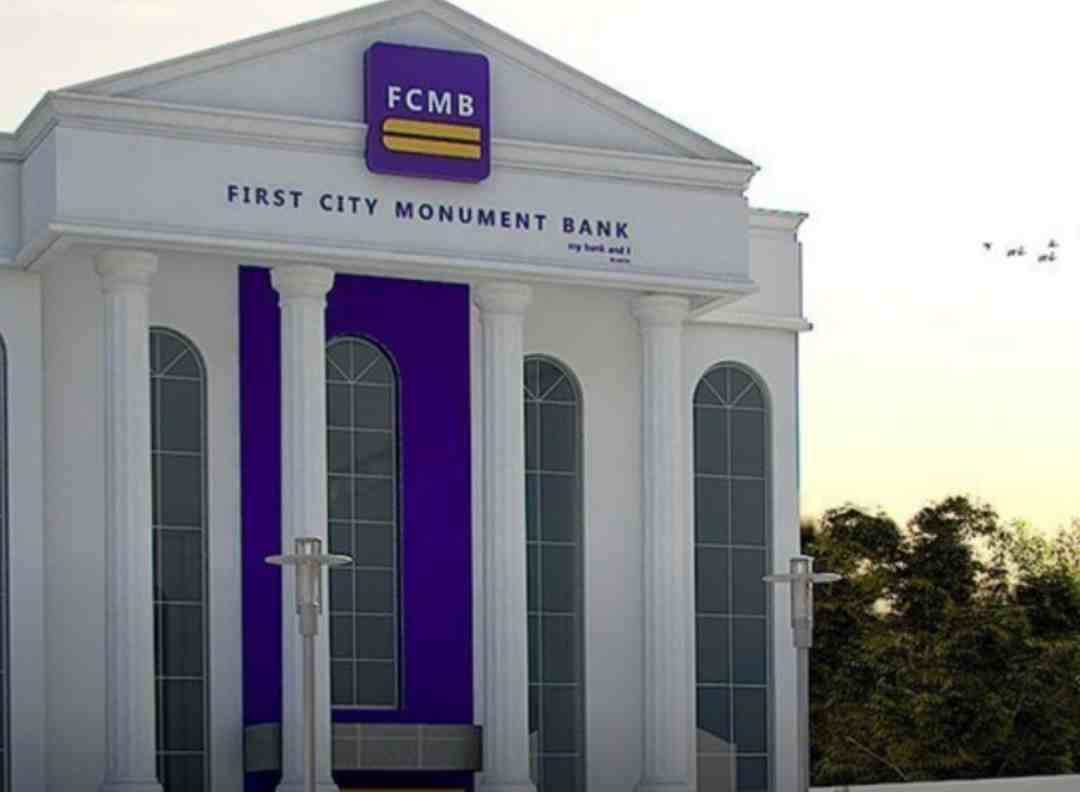
FCMB Group has announced that it has successfully met the revised ₦500 billion minimum capital requirement required to maintain an international banking licence in Nigeria. The milestone comes as the bank concludes its capital-raising programme aimed at strengthening its financial base and complying with regulatory reforms introduced by the Central Bank of Nigeria.
In a statement released to the Nigerian Exchange on Monday, the financial services group confirmed that it now has sufficient capital to meet the new threshold. According to the company, the capital boost largely came from a successful public share sale conducted last year, which generated ₦231.8 billion and significantly strengthened the bank’s equity base.
The capital pool received further support from the sale of a minority stake in FCMB Pensions Limited. The transaction involved divesting nearly 10 percent of the pension subsidiary and generated an additional ₦11 billion to support the bank’s recapitalisation efforts.
The group said the combined proceeds from the public offer and the minority divestment have provided enough funding to meet the revised capital threshold required for international banking operations. As of December 31, 2025, FCMB reported verified eligible capital — including paid-up share capital and share premium — totaling ₦266.5 billion.
The move comes amid a sweeping recapitalisation effort across Nigeria’s banking sector. Two years ago, the Central Bank of Nigeria directed financial institutions to significantly increase their capital buffers in order to strengthen the industry and support the administration of Bola Tinubu in achieving the country’s ambitious goal of building a $1 trillion economy by 2030.
Under the new policy, banks holding international licences are now required to maintain a minimum core capital of ₦500 billion. This represents a tenfold increase from the ₦50 billion threshold that was established during Nigeria’s last major banking recapitalisation exercise in 2004.
The policy has triggered a wave of fundraising activities across the industry, with banks raising fresh capital through public offerings, rights issues and private placements. The Central Bank recently revealed that 30 banks across various licence categories have already met the new requirements. In total, 33 lenders have sought additional capital through different funding strategies.
Institutions that struggle to meet the new capital thresholds independently may resort to mergers or acquisitions. One example is Unity Bank Plc, which is reportedly in advanced discussions for a business combination with Providus Bank as part of efforts to strengthen its capital position.
FCMB, known for its strong focus on small and medium-sized enterprises, also operates internationally through a subsidiary in the United Kingdom. The bank said all required regulatory approvals have already been secured for its capital-raising activities from the Central Bank of Nigeria, the Securities and Exchange Commission Nigeria, and the National Pension Commission.
The financial group’s performance has also been strong. Its post-tax profit surged by 141.2 percent last year, reaching ₦176.9 billion compared to the previous year. The growth was largely driven by a 41.8 percent increase in gross earnings.
Looking ahead, the bank expects continued financial momentum. FCMB has projected revenue of ₦309.6 billion and a profit target of ₦67.9 billion for the second quarter of this year. This would represent a notable increase compared to the ₦254 billion in revenue and ₦39.3 billion profit recorded during the same period in 2025.
With its capital requirement now met and financial performance improving, FCMB appears well-positioned to maintain its international banking status while continuing to expand its operations both within Nigeria and abroad.
Discover more from Scoop Hub
Subscribe to get the latest posts sent to your email.