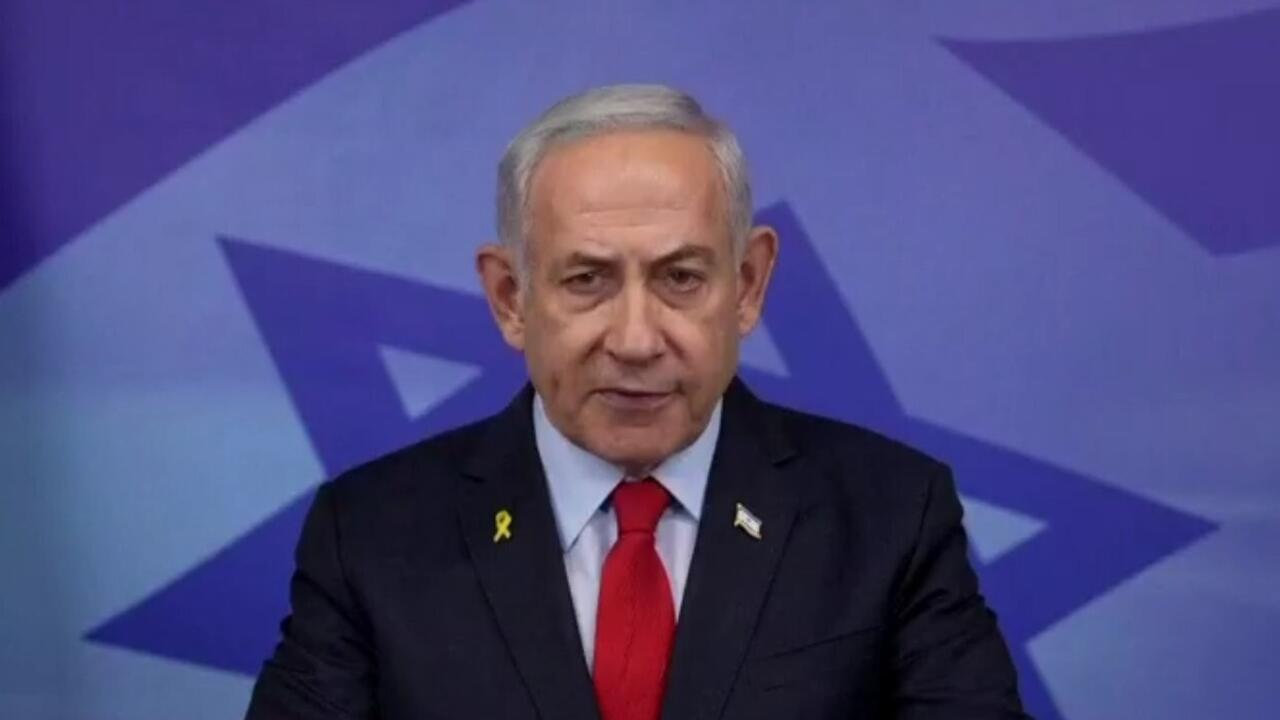
Israel’s security cabinet has reportedly approved a sweeping new military strategy to seize full control of the Gaza Strip and remain in the territory for an indefinite period, according to the Associated Press.
The plan, if carried out, would mark a significant escalation in the ongoing conflict, further intensifying what is already being described as one of the worst humanitarian crises in recent history.
The approval came in the early hours of Monday following a vote by Israeli ministers. This decision aligns with Israeli Prime Minister Benjamin Netanyahu’s broader war aims—chiefly, the defeat of Hamas and the recovery of hostages.

Two senior Israeli officials told AP that the new strategy will be executed in stages and includes the deployment of tens of thousands of reserve troops. It also aims to prevent Hamas from controlling and distributing humanitarian aid, which Israeli authorities argue strengthens the group’s foothold in Gaza.
READ ALSO: Romanian Prime Minister Resigns After Far-Right Surge in Presidential Elections
According to the report, the plan outlines the “capturing of the strip and the holding of territories,” suggesting a possible long-term military presence in Gaza. Israeli forces already control approximately 50% of the enclave, and the new directive could push hundreds of thousands more Palestinians toward the southern regions of the Strip.

Critics argue that this could dramatically worsen conditions on the ground. Since the collapse of the U.S.-brokered ceasefire in mid-March, the Israeli military has carried out relentless air and ground operations. The territory has seen widespread destruction, and civilians have borne the brunt, with access to food, water, fuel, and medical aid severely restricted.
The plan has already triggered condemnation from Israel’s allies in both Europe and the Arab world. Of particular concern is Israel’s engagement with several countries regarding a controversial proposal linked to U.S. President Donald Trump’s administration: the so-called “voluntary emigration” of Gaza’s population. Human rights advocates and regional governments have denounced the idea as forced displacement under another name.

Despite ongoing efforts by international mediators, negotiations between Israel and Hamas remain deadlocked. While Israel insists it will not end the war until Hamas is completely dismantled, Hamas has demanded that any ceasefire agreement must lead to a definitive end to hostilities.
READ ALSO: Ruben Amorim Urges Manchester United to Salvage Season with Europa League Glory
The most recent truce, which collapsed in March, had aimed to pave the way for lasting peace. However, the lack of consensus on war termination terms continues to block progress.

As Israel ramps up its military campaign, the humanitarian consequences are becoming increasingly severe. Gaza’s already crippled infrastructure is buckling under the weight of continuous airstrikes, mass displacement, and aid blockades. Relief agencies warn that unless the situation changes, the territory could face a catastrophic famine and further loss of life.
Israel’s newly approved Gaza strategy marks a turning point in the conflict. While aimed at achieving military and political objectives, it risks plunging Gaza deeper into chaos and worsening the suffering of millions of civilians. As the world watches, the urgent question remains: is there still room for diplomacy in a war that seems to be spiraling out of control?
Discover more from Scoop Hub
Subscribe to get the latest posts sent to your email.